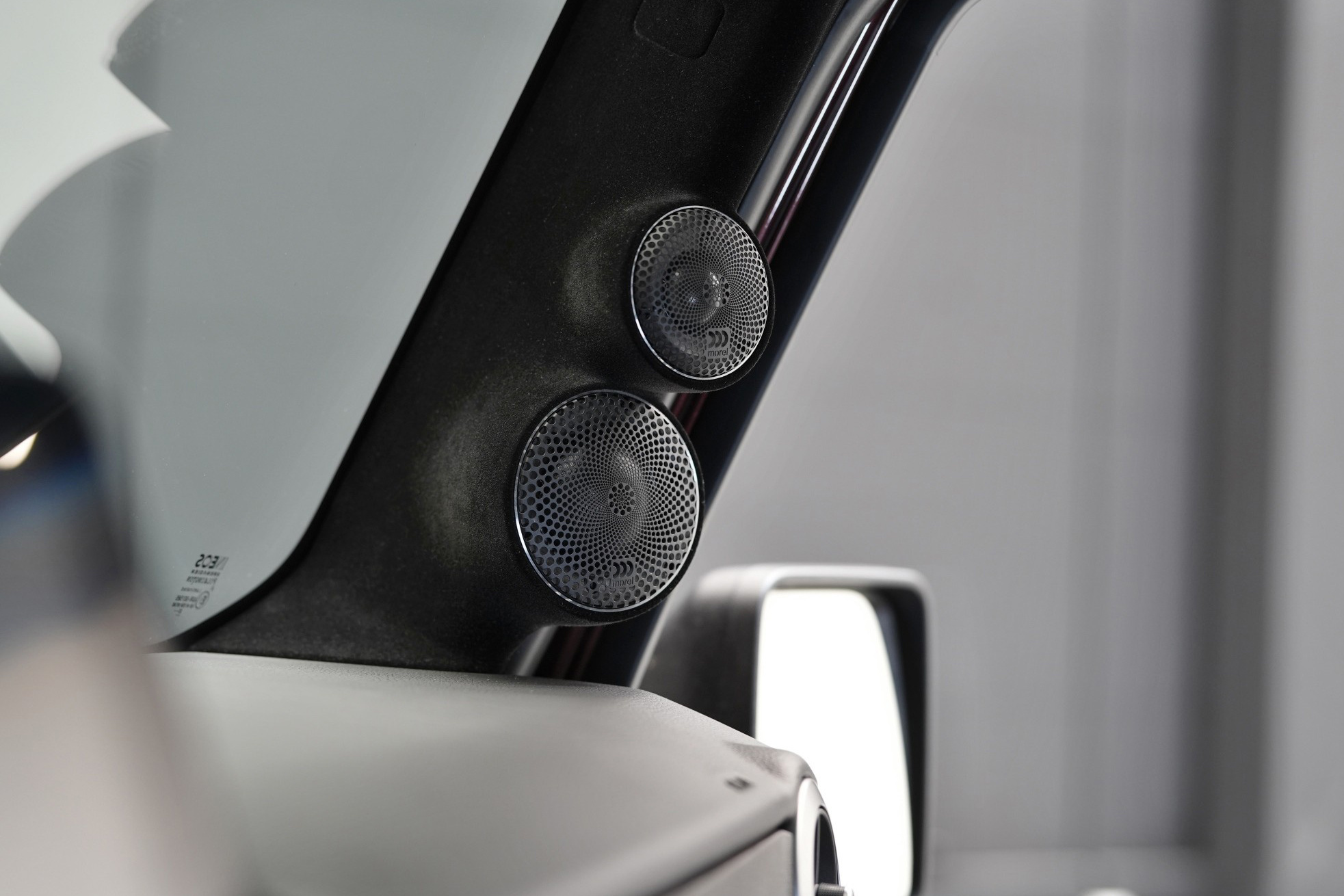
Morel has introduced a new generation of its iconic Elate Carbon line, which has long been among the brand's most important high-end platforms and sits in the manufacturer's hierarchy just below the flagship Supremo. The new Elate Carbon Neo and the top Neo Pro do not change things for their own sake – Morel preserved what worked on this line and focused on lower distortion, higher efficiency, faster transient response, better high-frequency reproduction, greater openness and more realistic reproduction. At the same time it significantly advanced the drivers' finishing, which now combine carbon cones, redesigned cast baskets and precisely CNC-machined brushed aluminum elements, so they are no longer just a technical part meant to be hidden but a full-fledged element of a visible high-end installation.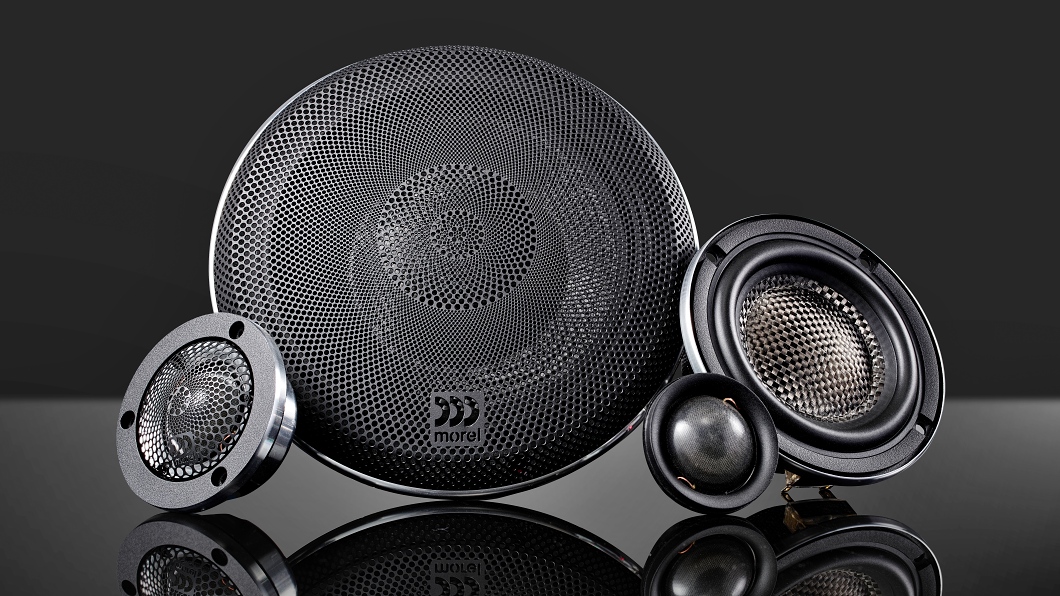
What's new in the new generation of Elate Carbon Neo
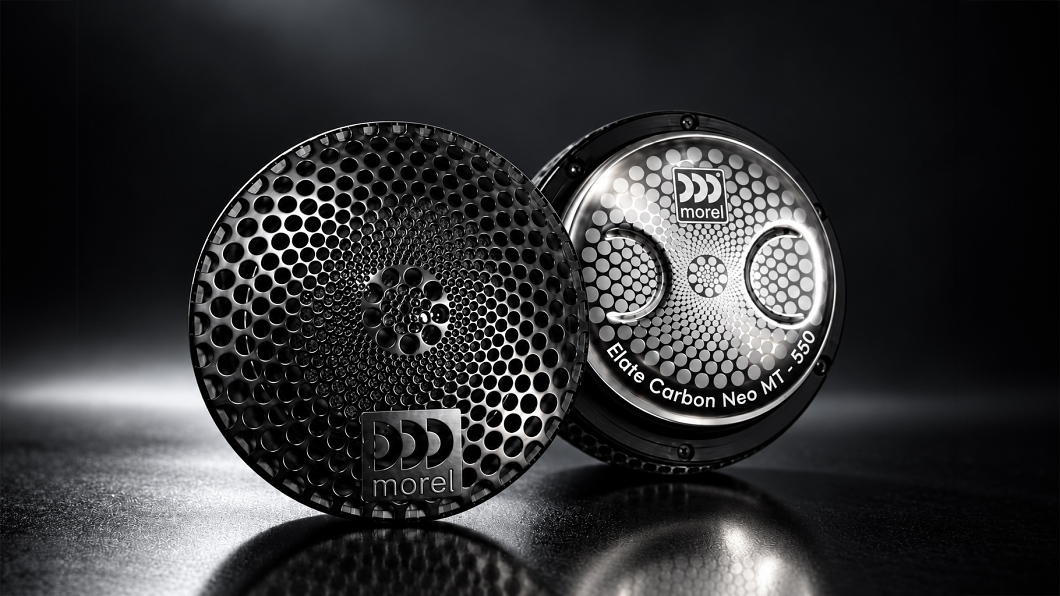
Morel preserved what has always defined the Elate Carbon line – TLC cones made of carbon fiber and Rohacell, unusually large external voice coils and the typical natural and musical character. The innovations focus mainly on redesigned motor and suspension systems that improve linearity and response speed, new tweeters and a more premium structural and visual finish. The standard Neo line received the new tweeter MT-550 with a 28 mm soft Acuflex™ dome and an optimized dual neodymium drive, while Neo Pro uses the significantly more sophisticated Alto Neo with a more powerful neodymium motor and a new rear chamber ASW™ Anti-Standing Wave.
The split into Neo and Neo Pro gives the new generation two clearly distinct levels. Elate Carbon Neo is aimed at listeners who seek the typical musicality, power and installation flexibility of the Elate line, while Neo Pro reaches even higher – for maximum resolution, spatiality, greater output and an overall more sophisticated performance.
Below you can see all the models:
- Morel Elate Carbon Neo 62 – a two-way system with MW6, MT-550 and the passive crossover MXT280C.
- Morel Elate Carbon Neo 62A – an active two-way variant without a passive crossover.
- Morel Elate Carbon Neo 63 – a three-way system with MW6, MM3, MT-550 and the crossover MXT380C.
- Morel Elate Carbon Neo 63A – an active three-way variant with MW6, MM3 and MT-550.
- Morel Elate Carbon Neo 93A – an active three-way variant with a 220 mm MW9 midwoofer, MM3 and MT-550.
- Morel Elate Carbon Neo Pro 62 – a two-way system with MW6, Alto Neo and the crossover MXT280C.
- Morel Elate Carbon Neo Pro 62A – an active two-way variant with MW6 and Alto Neo.
- Morel Elate Carbon Neo Pro 63 – a three-way system with MW6, MM3, Alto Neo and the crossover MXT380C.
- Morel Elate Carbon Neo Pro 63A – an active three-way variant with MW6, MM3 and Alto Neo.
- Morel Elate Carbon Neo Pro 93A – the top active three-way variant with a 220 mm MW9, MM3 and Alto Neo.
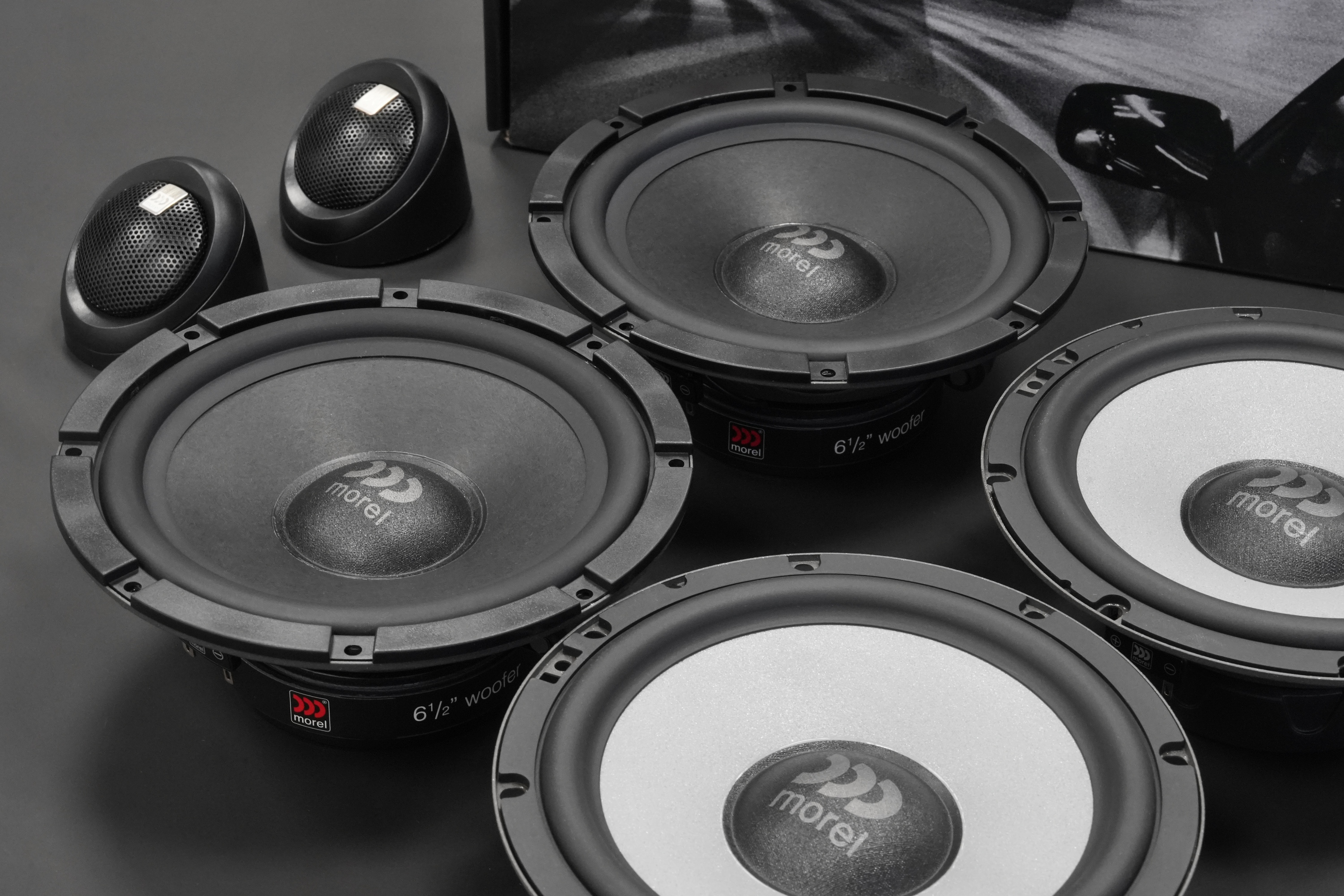
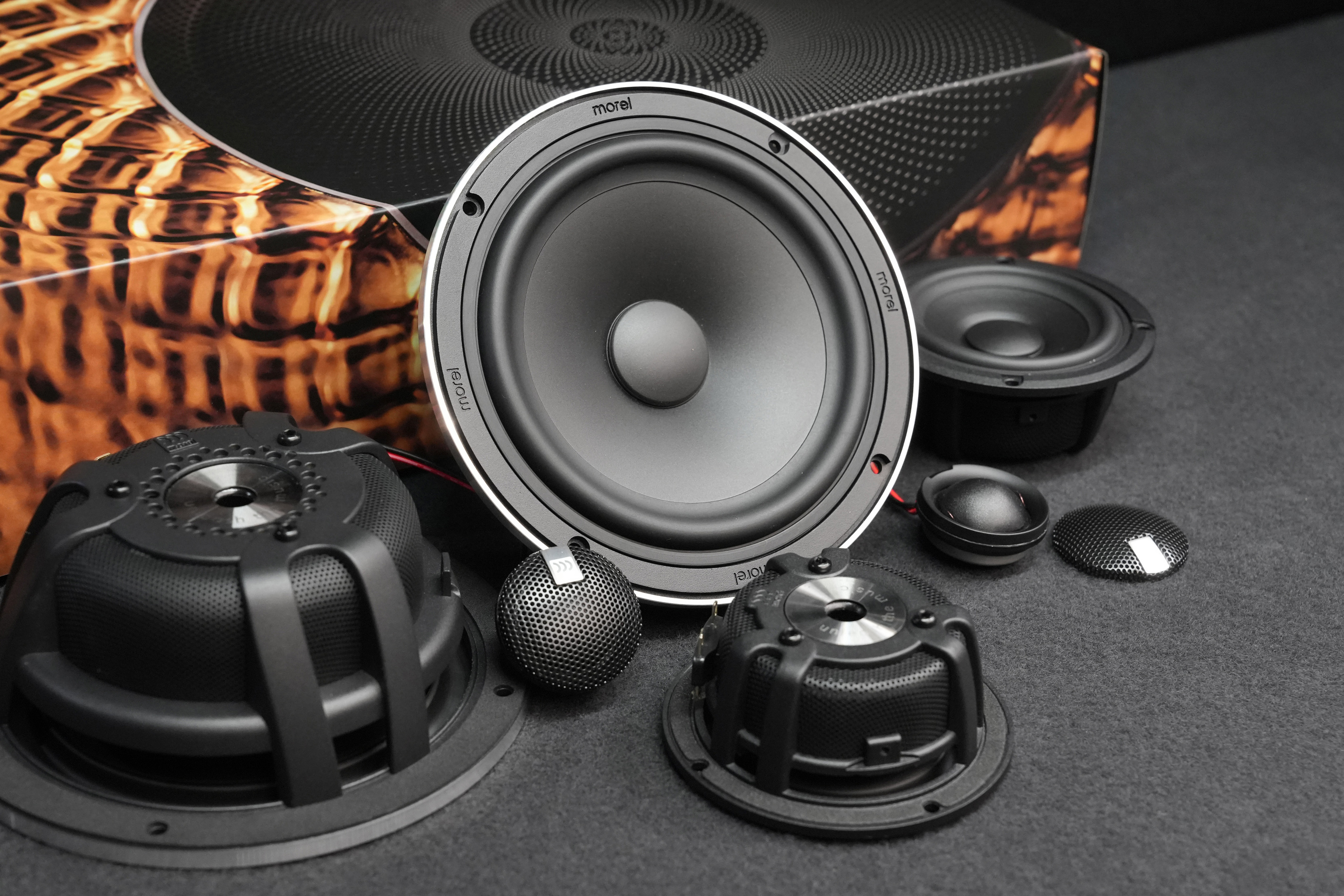
The range thus covers both two-way and three-way systems, 165 mm and 220 mm midwoofers for passive and fully active installations. Morel uses the crossovers MXT280C and MXT380C for passive configurations with the option of bi-wire / bi-amp connections and level adjustment, while in active systems it leaves maximum control to the DSP processor and the installer. All components can be purchased separately.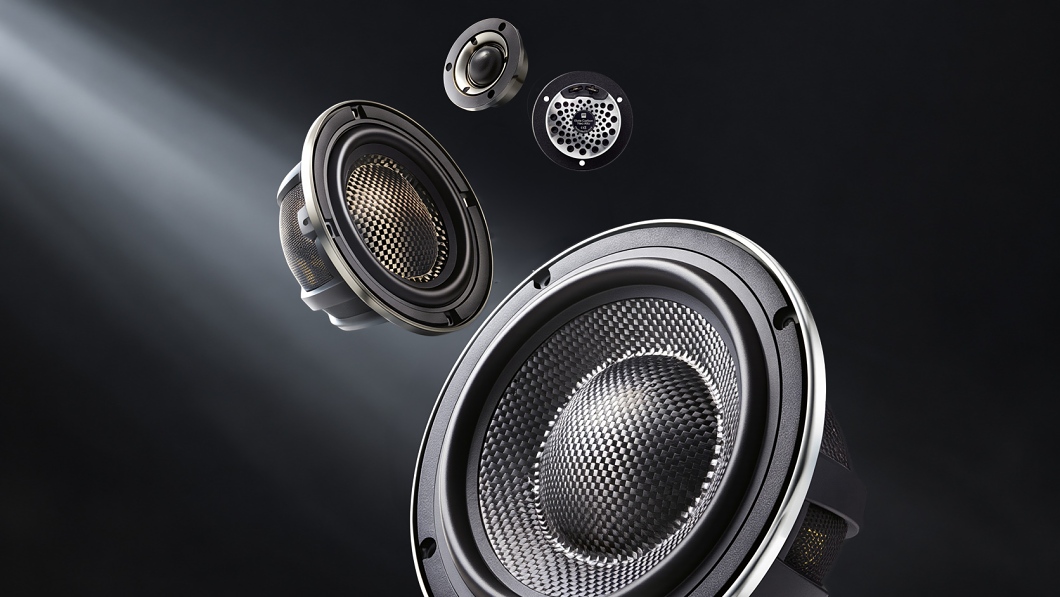
TLC cones made of carbon fiber and Rohacell
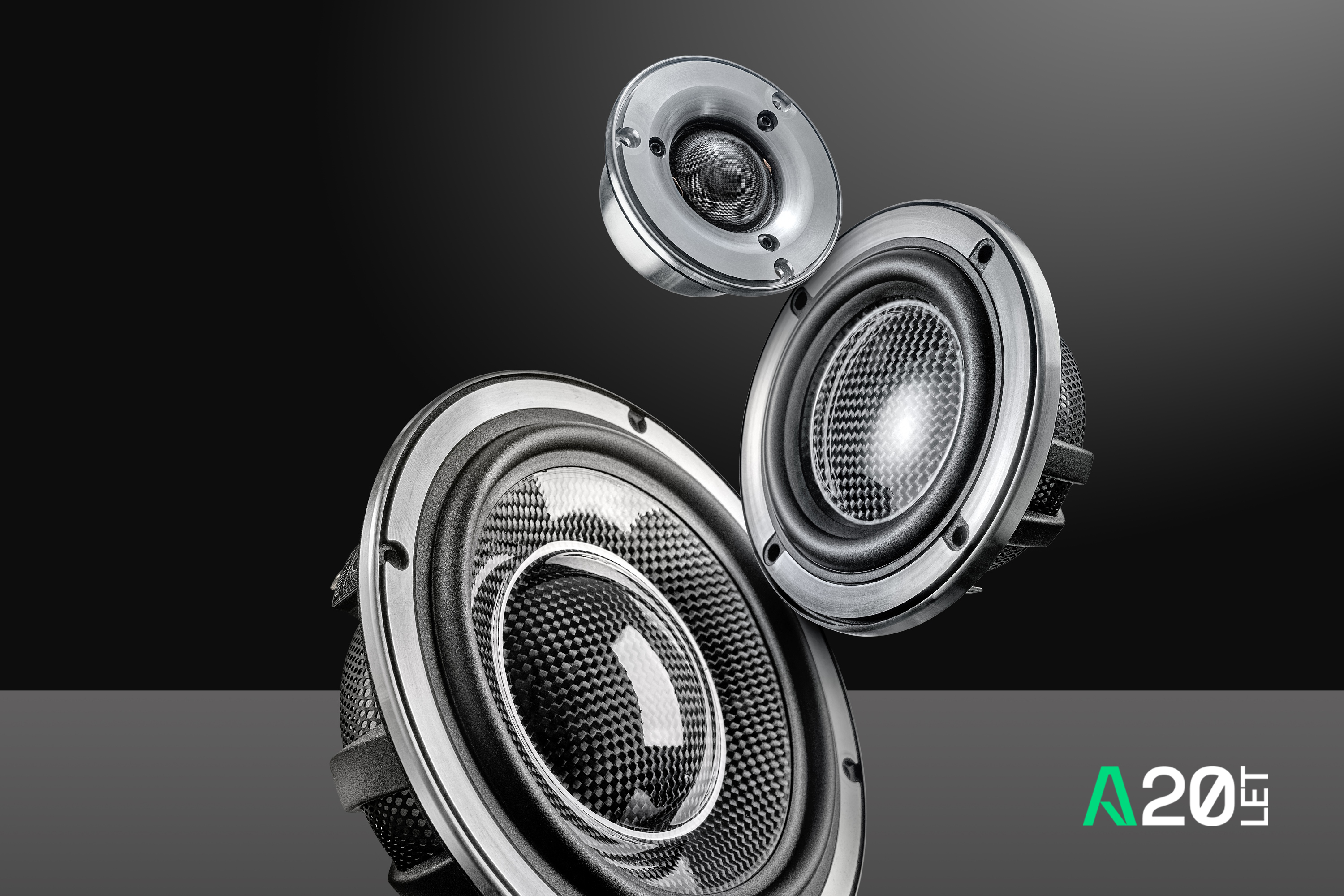
One of the most characteristic elements of the entire line remains the TLC technology, i.e. Triple-Layer Composite. The cone is a sandwich construction of carbon fiber and the lightweight Rohacell core, which offers an exceptionally favorable ratio of low mass to high stiffness. This allows precise cone movement, high resolution and very good mechanical stability at larger excursions. The same philosophy is used for the MW6 and MW9 midwoofers and the MM3 midrange, so the entire three-way system preserves a unified sonic character. For the new generation Morel also redesigned the motor and suspension systems to improve linearity and transient response. The result should be the ability to move from very fine detail to high dynamic output without losing control or naturalness.
Large voice coils as Morel's typical signature
Morel has long based its high-end drivers on unusually large external voice coils, and Elate Carbon Neo continues this philosophy. Both MW6 and MW9 use a 76 mm coil, while the compact MM3 has an unusually large 54 mm coil for its size. The large area allows more efficient heat dissipation, high power handling and precise control over cone movement. In combination with optimized neodymium motor systems, this creates a drive capable of combining high power with the finesse and speed we expect from high-end speakers.
New tweeter MT-550 for Elate Carbon Neo
The standard Neo line received the completely new tweeter Morel MT-550. It uses a 28 mm soft dome with a hand-applied Acuflex™ layer and an optimized dual neodymium motor system. Morel specifies 130 W RMS power, 90 dB sensitivity and a frequency range of 1,400 to 25,000 Hz. Its main aim is to combine higher efficiency and low distortion with the smooth, natural and musical character typical of Morel. The MT-550 is therefore not just a cheaper alternative to Alto, but a fully fledged new tweeter designed specifically for this generation. In combination with MW6, MW9 and MM3 it creates complete two-way and three-way systems with a unified character across the entire frequency range. 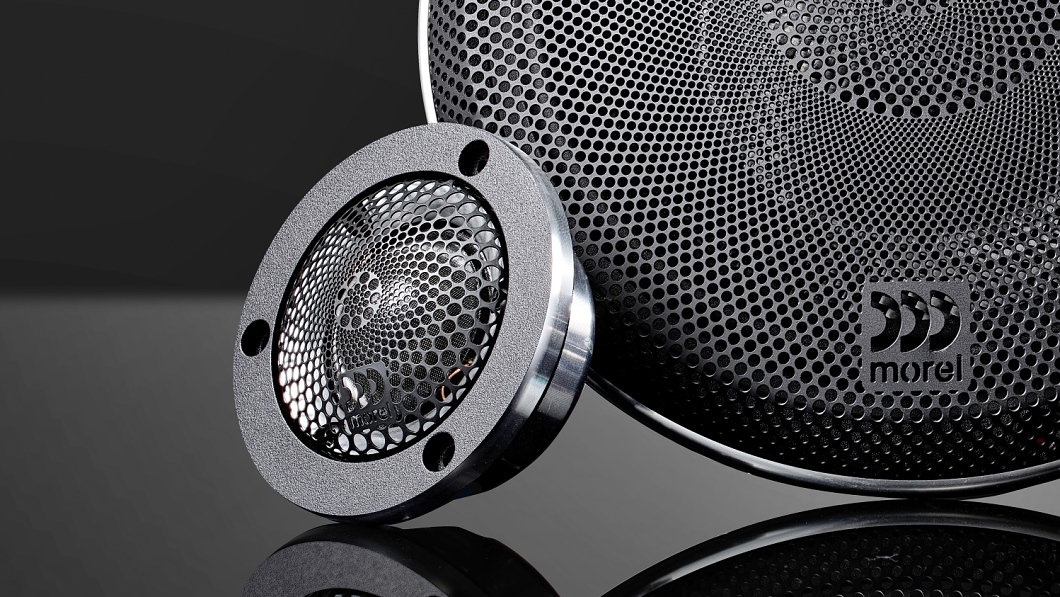
Tweeter Alto Neo and ASW™ technology in the Neo Pro version
Elate Carbon Neo Pro elevates the entire platform further, primarily thanks to the new Morel Elate Carbon Neo Alto. It uses a 28 mm hand-finished Acuflex™ soft dome, a more powerful neodymium drive and a new rear acoustic chamber ASW™ Anti-Standing Wave. Its task is to reduce internal resonances and distortion that occur behind the dome and thereby improve clarity, openness and spatial definition. Alto Neo offers 180 W RMS power, 91.5 dB sensitivity and a frequency range of 1,400 to 25,000 Hz. The higher output and the more sophisticated rear chamber help reproduce fine spatial information, the natural presence of vocals and the small details that create a convincingly three-dimensional soundstage. That is precisely why Morel positions Neo Pro as the highest expression of the entire Elate Carbon platform.
A design that no longer needs to be hidden
One of the most visible changes of the entire generation is the structural and visual finish of the individual drivers. Morel frames the new Elate Carbon Neo with precisely CNC-machined brushed aluminum elements that highlight the carbon structure of the cones and the technical character of the redesigned cast baskets. It is not just decoration – the goal was to create a driver that can confidently be part of a visible installation and visually match the level of its technical design. This, in my view, is a fairly important change for the new series. Morel explicitly states that these speakers should no longer be automatically hidden. On the contrary – their materials, machining and construction are intended to be part of the final installation and express the level of technology that lies inside.
Made for the installer, but above all for the listener
Elate Carbon Neo is a very technical line, but Morel's philosophy remains simple – the technology should disappear during listening. Both active and passive configurations give the installer great freedom when designing the system, but the result should not be a sound that calls attention to technical showmanship. The voice should remain naturally suspended between the towers, the string texture, the kick drum hit, the reverberation of the space and the small details that create a true musical experience. This is exactly how Morel describes the new generation itself – more texture, more space, more microdetail and more energy when the recording needs it, but also greater finesse where it matters.
Therefore the new Elate Carbon Neo is not a revolution that discards everything that worked before. It is a thorough evolution of one of Morel's most important lines – preserving the characteristic carbon cones, large voice coils and musical presentation, but with better linearity, lower distortion, new tweeters, a significantly more refined design and even greater flexibility when designing a top system. And that is perhaps the greatest advantage of the new generation.