
Crescendo Revolution 3S3 OEM Speakers
More about the product
- You can return the goods to us within 14 days
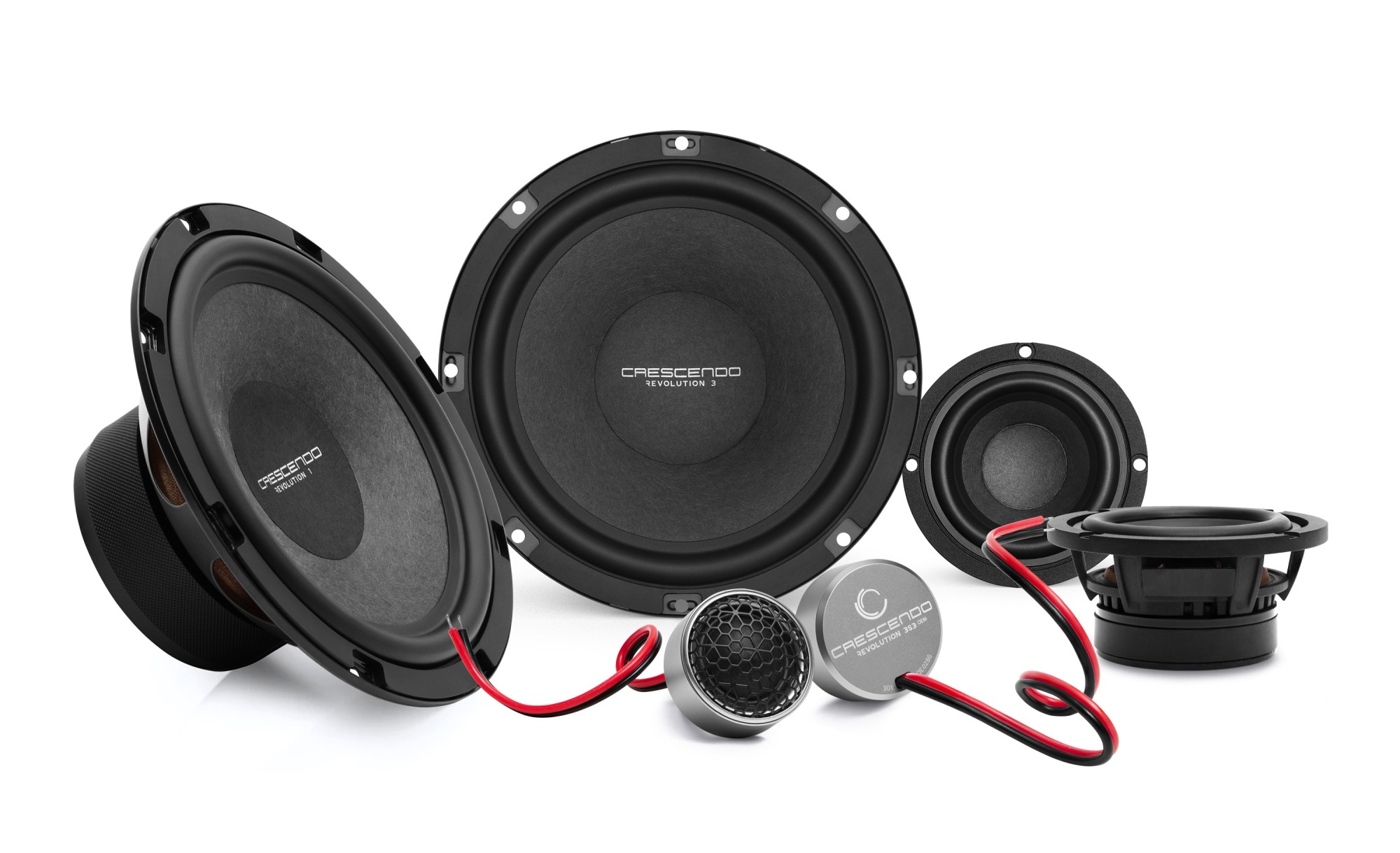
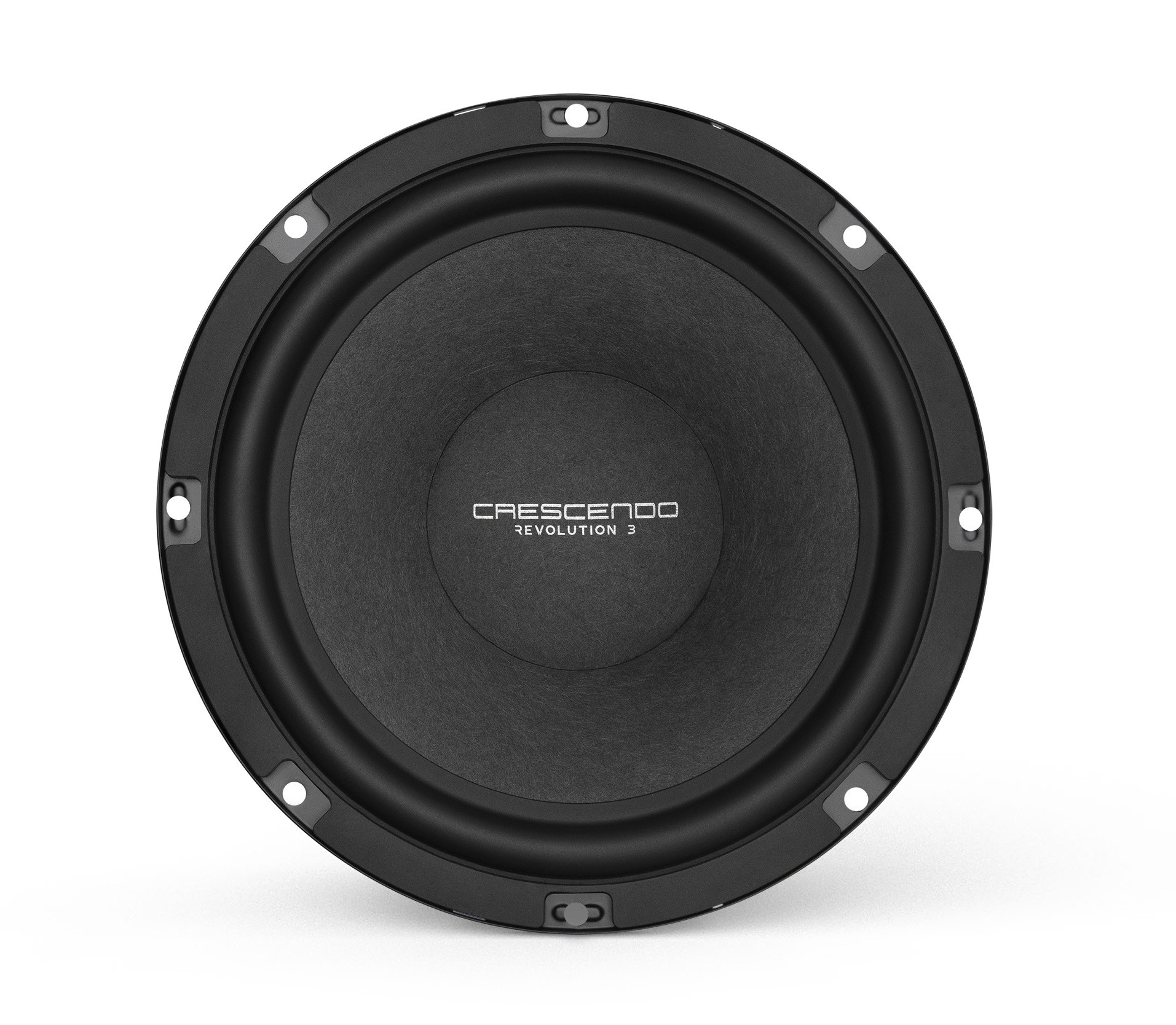
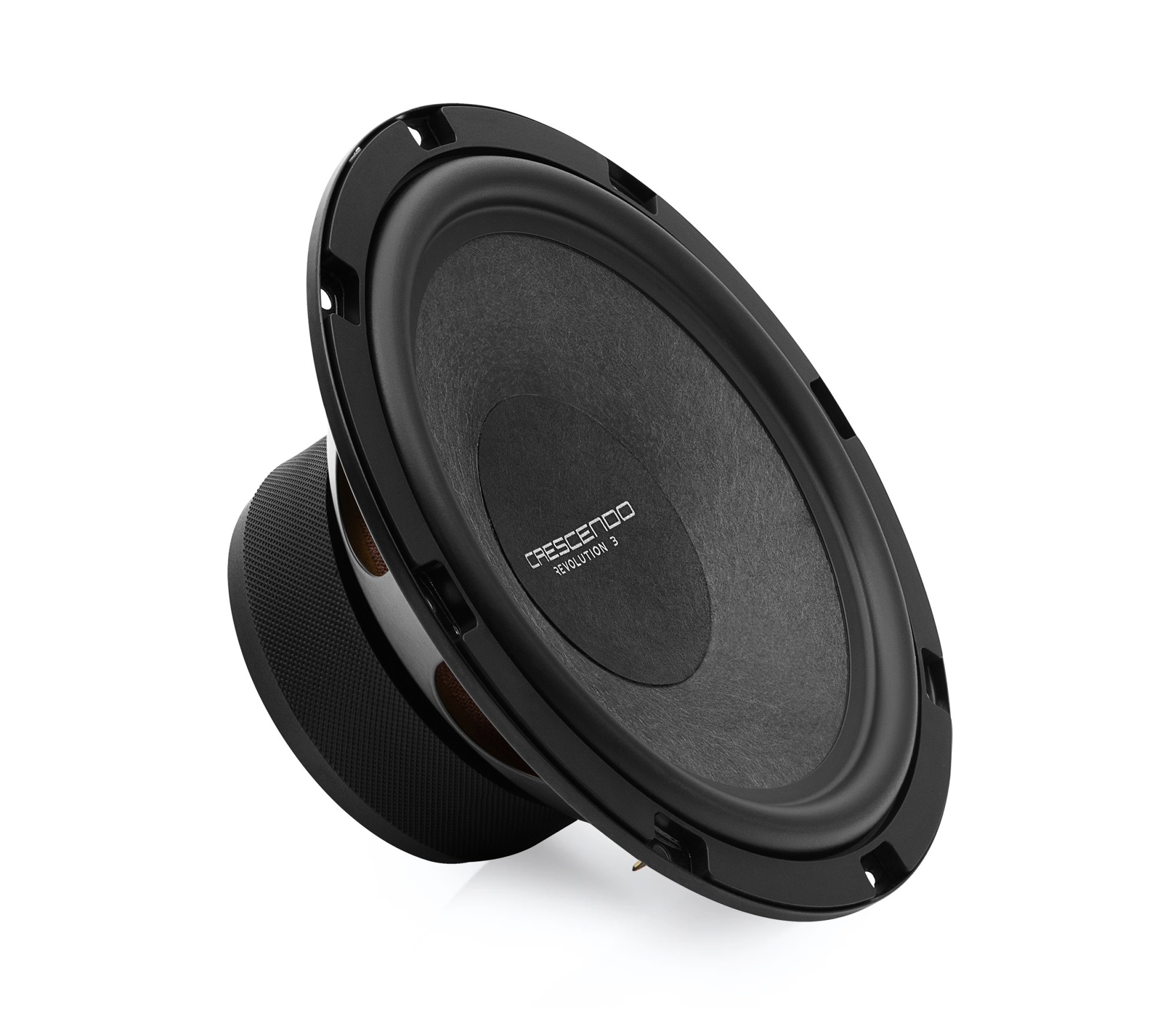
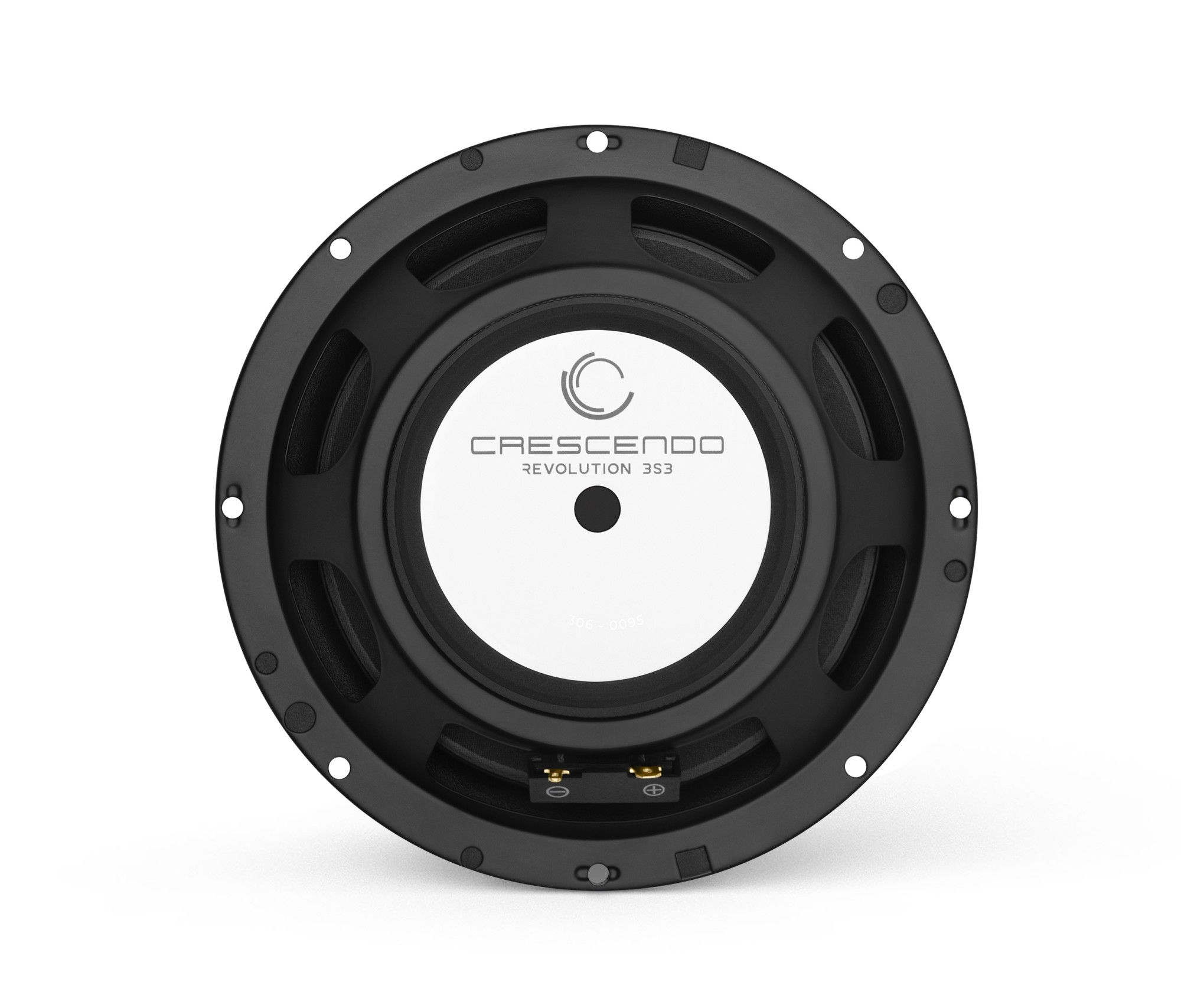
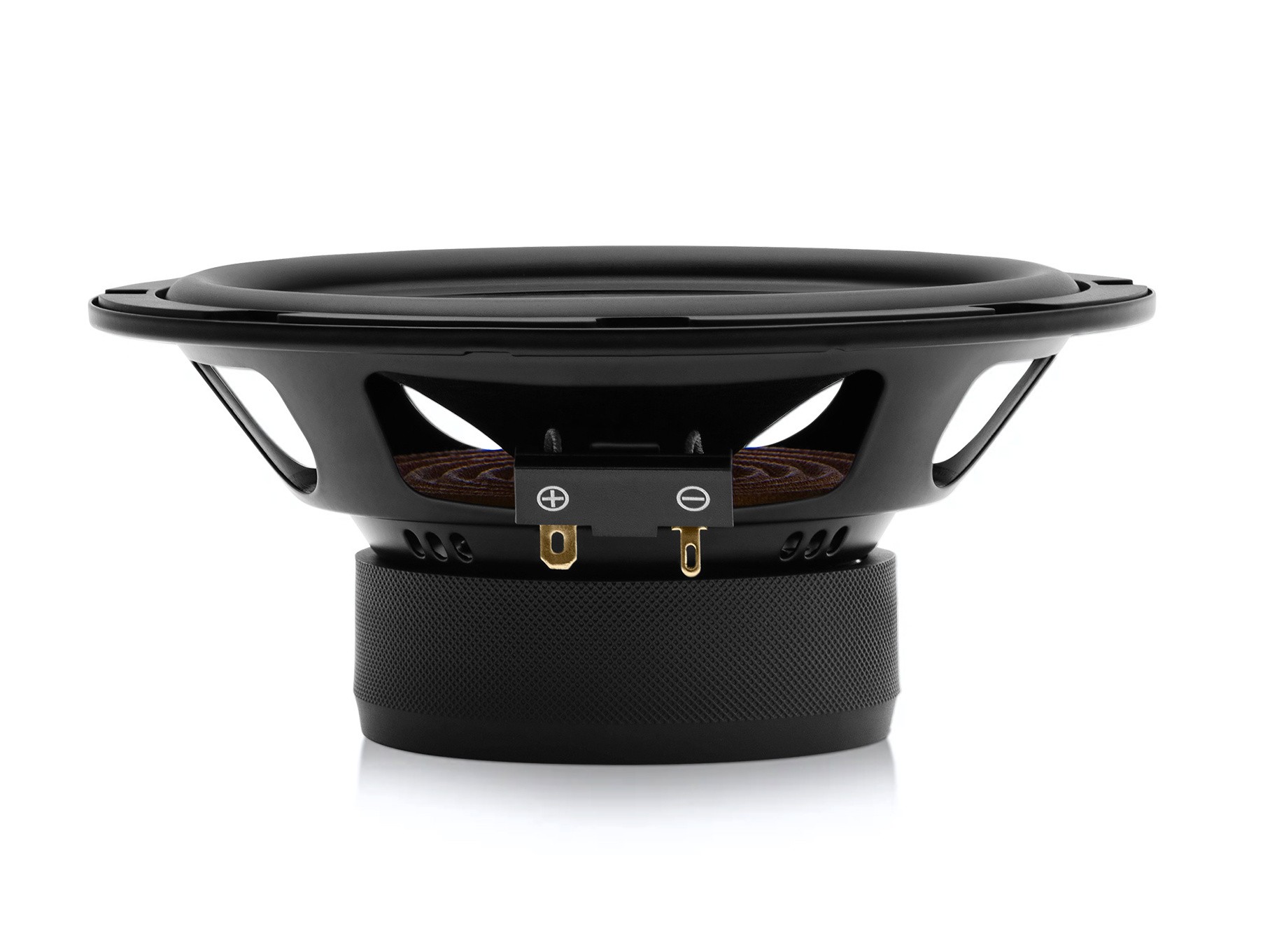
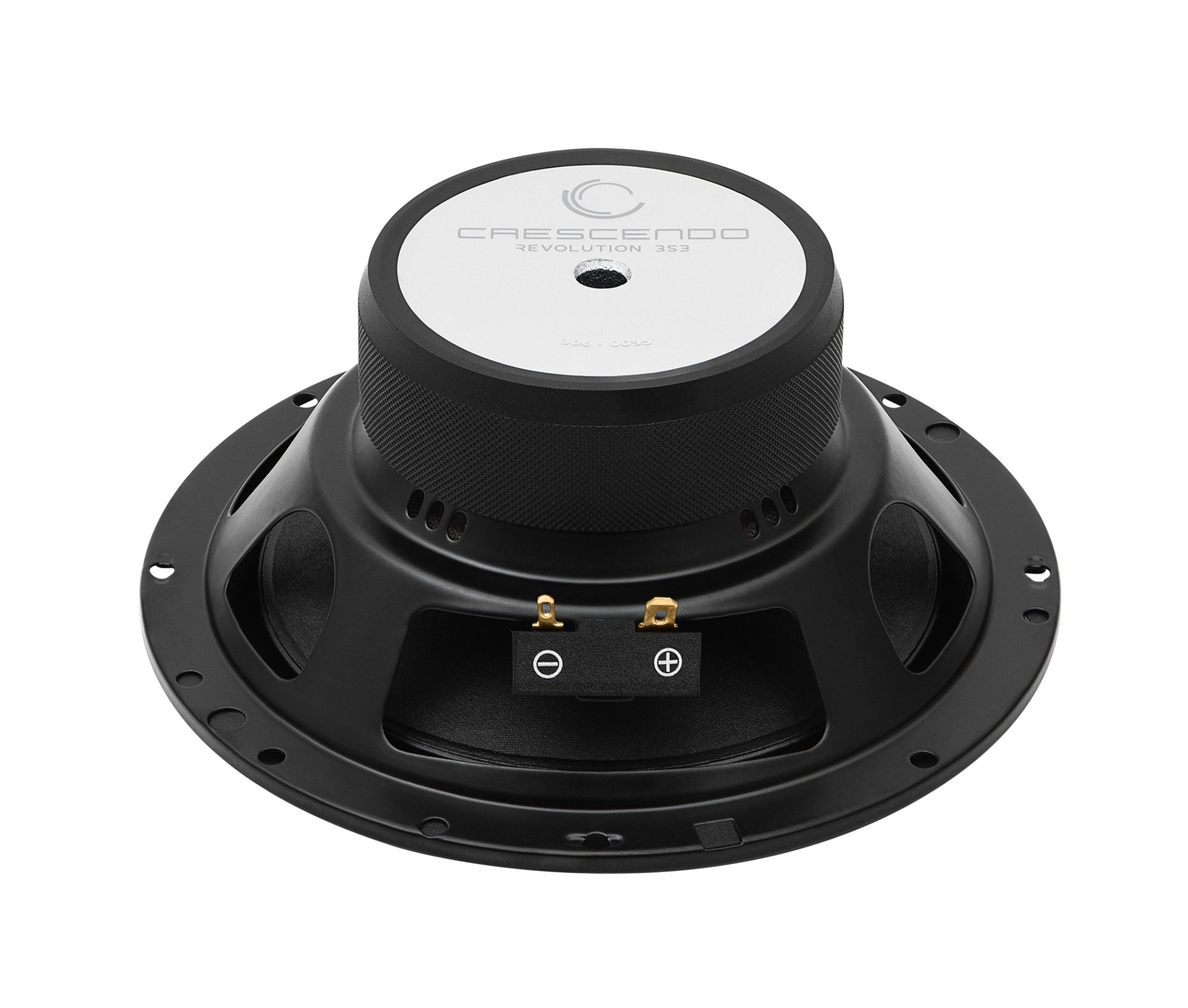


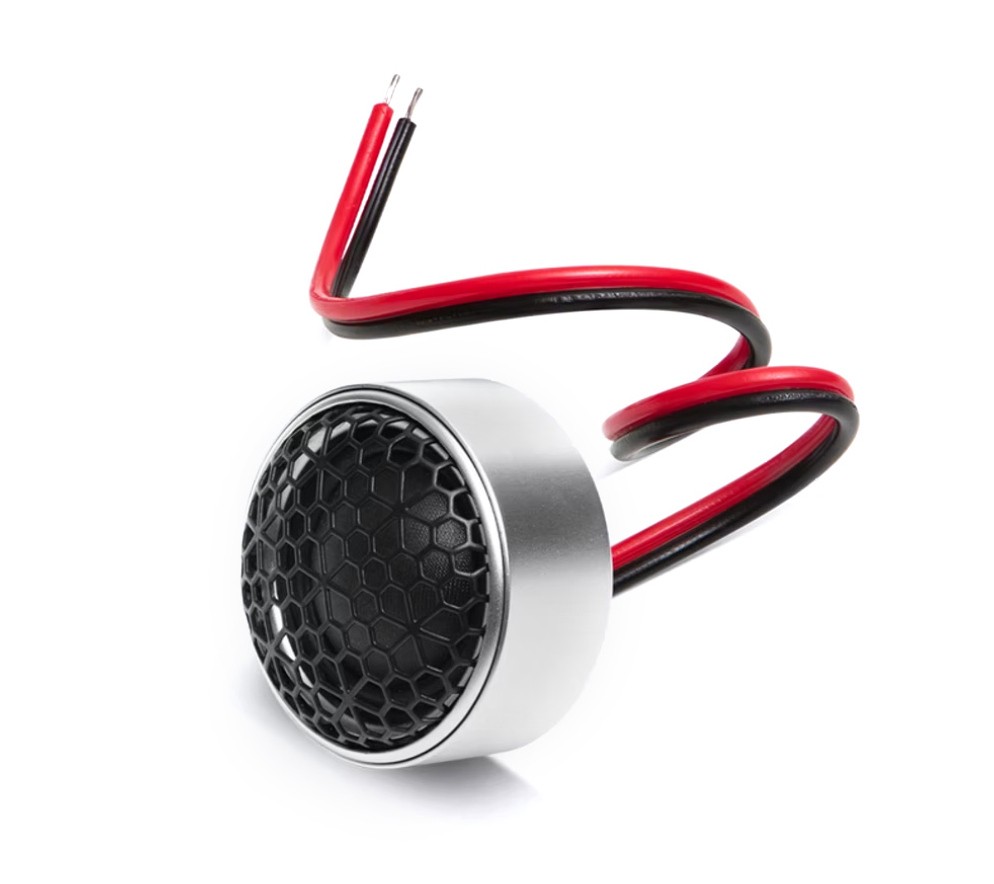
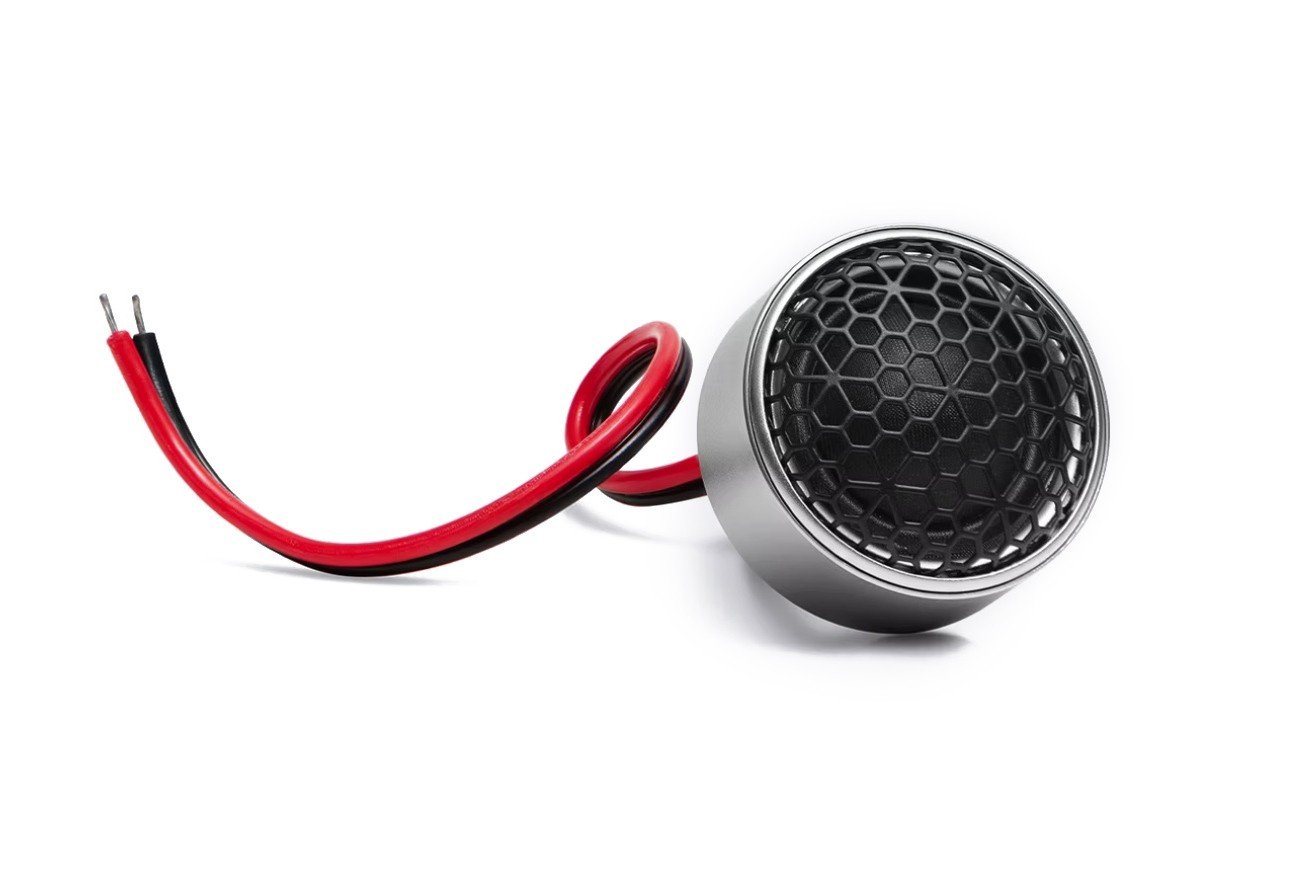
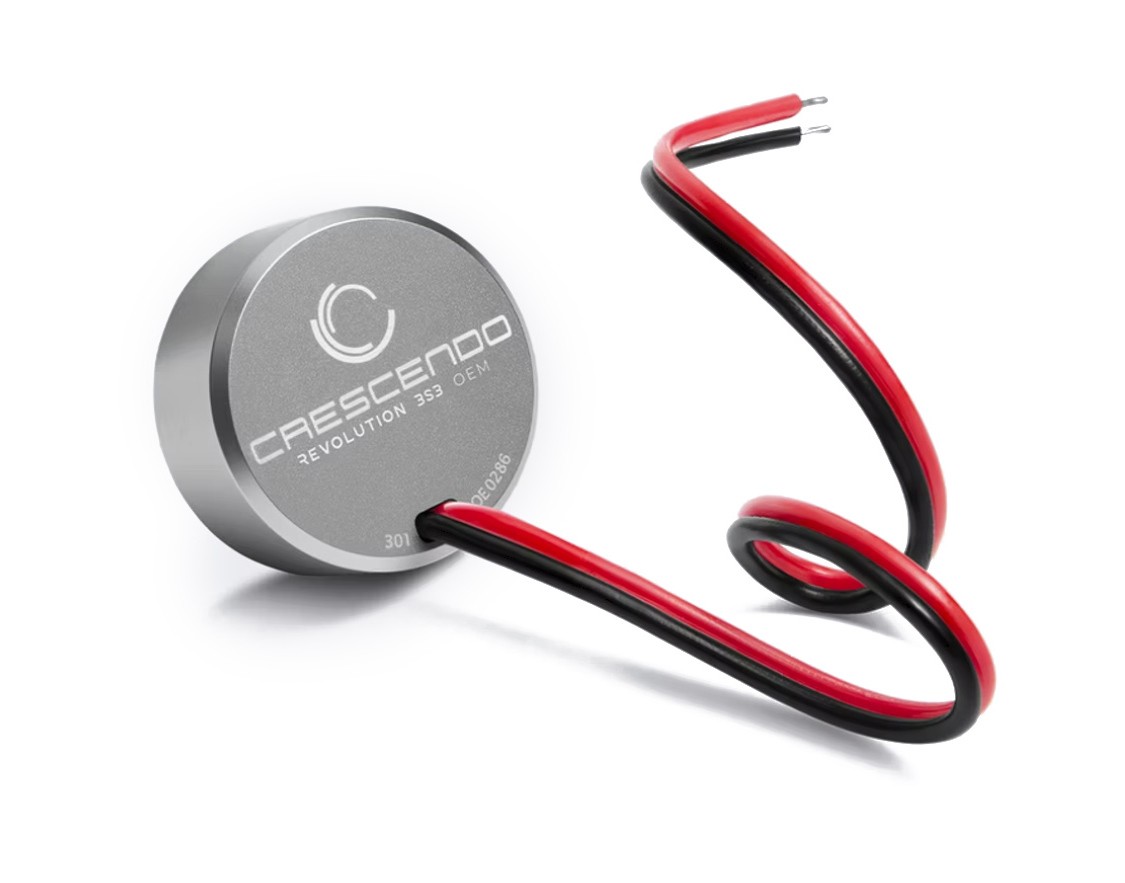
Komponentní reproduktory Crescendo Revolution 3S3
Crescendo, as part of the advanced Revolution 3 range, introduces a three-way system with unique acoustic precision and a full frequency span. Carefully selected materials and premium components ensure detailed and balanced sound reproduction, as well as a neat aesthetic with exceptional craftsmanship. The Revolution 3S3 system includes a mid-woofer with a paper cone that delivers faithful sound output with rich low frequencies. A thoroughly engineered steel basket helps reduce unwanted resonances, resulting in cleaner and more accurate sound. The acoustically matched midrange driver is also made from pressed paper, contributing to first-rate midrange tonality. The tweeter features a silk dome and a precisely engineered, custom-designed grille for optimal sound transmission. Thanks to its high real sensitivity, the Crescendo Revolution 3S3 system is suitable even for lower-powered amplifiers. The OEM version is slightly modified and sized to fit factory locations for easier installation.
Papírová membrána
The cones of both the mid-woofer and midrange drivers in the Revolution 3 series are made from pressed paper, which is known for faithful sound reproduction combined with excellent dynamics and accuracy. The cone's low mass allows for fast and precise response to audio signals, and this natural material also inherently damps unwanted motion resonances. The cone incorporates a concave dust cap that helps better control sound directivity, leading to more even sound distribution in the listening space. Thanks to the concave shape, it is possible to minimize unwanted resonances that can negatively affect sound quality. This design also enables a wider frequency response.
Motor s výkonným ferritovým magnetem
An overhung motor design is characterized by a voice coil that is longer than the magnetic gap in which it moves. This design allows the driver to achieve a more linear coil movement, which leads to lower distortion and better sound quality, especially at higher volumes. The longer coil also provides improved control over cone movement. The motor with a robust ferrite magnet ensures high stability of the magnetic field and contributes to consistent and reliable mid-woofer performance.
Výškový reproduktor s hedvábnou kalotou
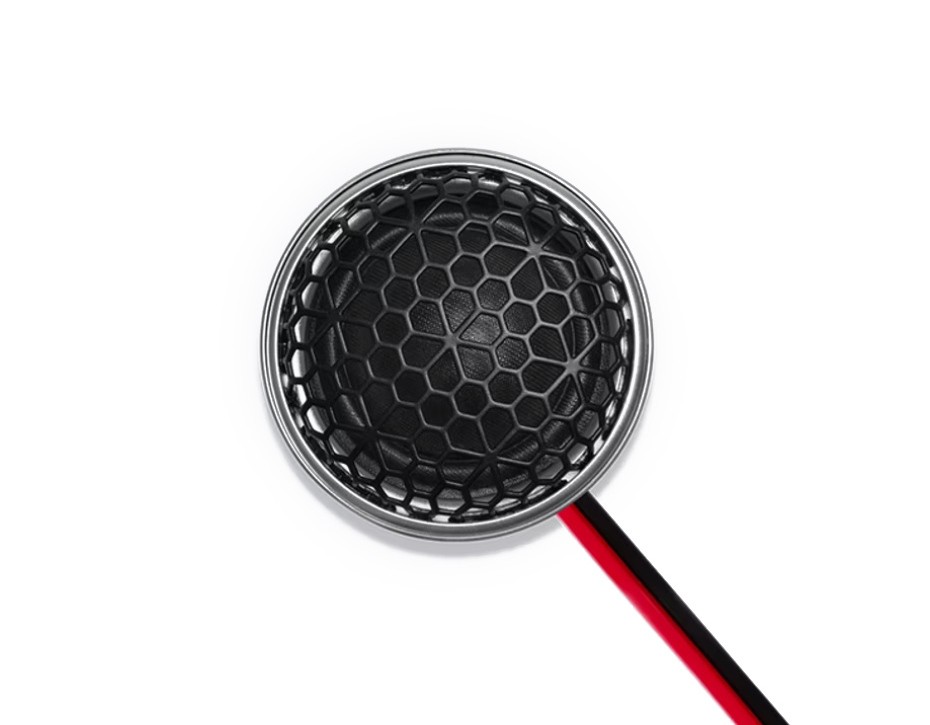
Výškový reproduktor s hedvábnou kalotou o průměru 28 mm umožňuje reprodukci vysokých frekvencích s excelentní čistotou a vynikajícím detailem. Hedvábí je charakteristické svým jemným a přirozeným zvukem, širokou frekvenční odezvou a také velmi nízkou hmotností, což přispívá k vysoké citlivosti a rychlé reakci na zvukové signály. Integrované hliníkové šasi výškového reproduktoru nejenže umocňuje krásný design, ale zajišťuje i minimální zkreslení a vibrace. Zaujme i krásná na míru navržená hliníková mřížka pro optimální průchod zvuku. Výkonný neodymový magnet zajišťuje vysoký magnetický výkon, rychlou odezvu membrány, optimální kontrolu a nízké zkreslení. Postříbřený měděný vodič pro zapojení výškového reproduktoru přispívá k čistotě zvuku.Středový reproduktor s papírovou membránou
Součástí systému Revolution 3S3 je také středový reproduktor o průměru 75 mm. Jeho membrána je stejně jako v případě středobasového reproduktoru vyrobena z lisovaného papíru s voděodolnou úpravou, aby bylo dosaženo výjimečně věrné reprodukce zvuku i širokého frekvenčního rozsahu. Ze stejného materiálu je i konkávní prachovka, která pomáhá k rovnoměrnější distribuci zvuku v prostoru. Postříbřený měděný vodič pro zapojení přispívá k čistotě zvuku.| Catalog number | CRESCENDO REV 3S3 OEM |
| Brand | Crescendo |
| Links | Official web presentation |
| Speaker typeCoaxial speakers: Coaxial speakers are characterized by a so-called all-in-one design. The tweeter and mid-bass speaker are in one basket. The advantage is simpler assembly, but thanks to the connection or proximity of the bands in one speaker, the sound quality will usually be reduced. As a rule, in the middle of the mid-bass speaker, there is a tweeter whose voice coil works in the second air gap of the common magnetic circuit. The three-way coaxial speaker consists of a mid-bass speaker, a center speaker and a separate tweeter in the front on a special beam. Component Speakers: Component speakers are characterized by a division into individual frequency bands, treble + mid-bass + or. bass band. The individual speakers can be placed completely separately, which results in a better sound and acoustic performance. In the vast majority of cases of component speakers, an external crossover is also supplied, which divides the treble, middle / mid-bass, and into the three-band the bass band or allows setting the decibel level of the tweeter (e.g. +2 dB, 0 dB, -2 dB), steepness (e.g. 6dB/Oct. 12dB/Oct.) or active or bi-amp connection. | Component 3-way |
| RMS powerRMS speaker power is the constant power of the entire system, not just one speaker or one side. This is also the performance of continuous use of the speakers. If the RMS power is exceeded for a long time, the speakers may be irreversibly damaged! | 75 W |
| Sensitivity (SPL 2.83V/1m)Sensitivity, sensitivity or efficiency of the speaker. Speaker sensitivity is given in decibels (dB) and simply put, the higher the value, the lower the demands on the amplifier's power. This is a defacto rating of how a speaker converts watts to sound. Sensitivity ratings are in noise level measured at 1 meter from the speaker using 1 W (watt of power) or using 2.83 volts at the source at 1 meter. A higher decibel level means the speaker is louder with less power. For every 3 dB increase in sensitivity, the speaker requires half the power to reproduce the same volume. For example, if an 88 dB speaker needs 100 Watts to produce a certain volume, then a speaker with a sensitivity of 91 dB needs only 50 Watts to reach the same volume. | 90 dB |
| Sensitivity (SPL 1W/1m)Sensitivity, sensitivity or efficiency of the speaker. Speaker sensitivity is given in decibels (dB) and simply put, the higher the value, the lower the demands on the amplifier's power. This is a defacto rating of how a speaker converts watts to sound. Sensitivity ratings are in noise level measured at 1 meter from the speaker using 1 W (watt of power) or using 2.83 volts at the source at 1 meter. A higher decibel level means the speaker is louder with less power. For every 3 dB increase in sensitivity, the speaker requires half the power to reproduce the same volume. For example, if an 88 dB speaker needs 100 Watts to produce a certain volume, then a speaker with a sensitivity of 91 dB needs only 50 Watts to reach the same volume. | 87 dB |
| ImpedanceImpedance - measurement of electrical resistance. When buying speakers, it is important to make sure that the impedance matches the amplifier or car stereo you are using. Example: A 2 Ohm speaker cannot be connected to an amplifier that is only stable up to 4 Ohms! A 4 Ohm speaker can easily be used with an amplifier that is stable up to 2 Ohms. The most common speaker impedance today is 3 - 4 Ohm. | 4 Ω |
| Frequency rangeThe ability of the speakers to play a signal from the lowest frequency to the highest, or the speaker's ability to faithfully reproduce sound in a specific frequency band. Professionally: In the frequency range from 40 to 16,000 Hz, the vast majority of fundamental and overtones (harmonics) of all musical instruments are found. We are interested in the course of the radiated sound pressure in this range of frequencies when the loudspeaker system is supplied with constant power. We call this course the frequency characteristic, which tells us the level of radiated sound pressure in decibels (dB) depending on the frequency. The frequency characteristic of a speaker or speaker system can be expressed most succinctly with a graph. Mostly, however, the frequency characteristic is indicated by indicating the maximum tolerance of the sound pressure in the given frequency range, e.g. 50 to 15,000 Hz -+ 6 dB. Since the frequency characteristics of loudspeakers and systems in general are quite uneven, some manufacturers do not even specify this maximum tolerance of sound pressure in decibels in their catalogs for reasons of prestige. Data impoverished in this way is unfortunately worthless. What is valid is that the manufacturer offers a speaker system with a frequency range of 30 to 20,000 Hz, if he is worried about stating the maximum unevenness of the sound pressure in this range, because he can have a tolerance of, for example, +- 20 dB. The unevenness or undulation of the frequency curve in good speaker systems for high-quality music performance should not exceed +-3 dB in the 80 to 12,000 Hz band and +-6 dB in the 40 to 16,000 Hz band. Greater unevenness already depletes or emphasizes certain tonal areas, which can cause audible or even disturbing distortion. The proportion between fundamental tones and higher harmonics also changes, thereby changing the color of the sound, and individual musical instruments as well as the entire musical image sound unnatural. | 60 - 20000 Hz |
| The diameter of the mid-bass speakerWe state the diameter of the speaker as the diameter of the entire speaker, not including the mounts, when smaller speakers (87, 100, 130 mm) have extra mounts. Some speakers are oval and there the dimension is given in inches, always the shortest side to the longest side. One inch is approx. 2.5 cm. | 165 mm |
| Mid-woofer diaphragm materialThe material that was used for the speaker diaphragm. Don't be afraid of the paper, it surprisingly has a very natural and high-quality sound and, thanks to the surface treatment, it can withstand moisture without any problems. | Pressed paper |
| Resonant frequency of the mid-bass speaker | 49.8 Hz |
| Center speaker diameterThe diameter of the center speaker is given as the diameter of a round speaker, not including the mount, where the mounts protrude even more on smaller speakers. | 75 mm (3.5\") |
| Center speaker diaphragm materialDiaphragm material that was used in the manufacture of the center speakers. | Pressed paper |
| Resonant frequency of the center speaker | 126.9 Hz |
| Tweeter dome diameterThe net diameter of the dome (diaphragm) of the tweeter. | 28 mm |
| Tweeter dome materialThe shell material that was used in the manufacture of the tweeter. | Silk |
| Frequency crossover included in the packageThe crossover is an important part of defacto all loudspeakers. A crossover usually contains different resistor values, coil sizes, and capacitor types that fundamentally modify the sound. We describe below what the turnouts are for. Component Speakers: A crossover is part of every quality component speaker system. Its task is to ensure the distribution of frequencies that the amplifier produces in the entire acoustic spectrum of frequencies so that each of the speakers receives only that part of the band that it can optimally play in terms of efficiency and minimal distortion. Coaxial speakers: In most cases, coaxial loudspeakers have a simple crossover (6dB/Oct.) formed by a capacitor at the tweeter. | Yes |
| Options for setting the frequency crossoverThe unwritten rule is that the more expensive the speakers, the more options the crossover has for adjusting the sound. The most common way to adjust the crossover is attenuation on the tweeter. More advanced crossovers also offer the option of setting the steepness on the mid-bass and tweeter or adjusting the frequency range. | Yes |
| Cover grids included in the packageOriginal cover grilles in speaker packaging. | No |
| Price forIf the price is for a pair, the package always includes 2 pieces of everything, e.g. 2x mid-bass, 2x tweeter and 2x crossover. | Pair |
Evaluation
You might also be interested
 TipQuick preview3-way component speakers, Ø 165 mm, 75 W RMS, 4 Ω, 90 dB (2.83V/1m)759,00 EUR1 to 4 weeksCrescendo Revolution 5S3 Free transport
 TipQuick preview3-way component speakers, Ø 165 mm, 100 W RMS, 4 Ω, 91.4 dB (2.83V/1m)1.599,00 EURIn stockCrescendo Revolution 7S3 Free transport
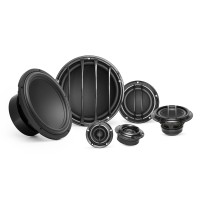 Quick preview3-way component speakers, Ø 165 mm, 150 W RMS, 90.1 dB (2.83V/1m), 4 Ω3.449,00 EURIn stockCrescendo Revolution 5A4 Free transport
 TipQuick preview4-channel amplifier, 4 x 75 / 2 x 210 W RMS (4 Ω) / 4 x 125 W RMS (2 Ω), Class AB749,00 EURIn stockCrescendo Revolution 3A1 Free transport
 TipQuick preview1-channel amplifier, 1 x 400 / 700 / 1000 W RMS (4 / 2 / 1 Ω), class D539,00 EURIn stockCrescendo Revolution 7A4 Free transport
 TipQuick preview4-channel amplifier, 4 x 150 / 2 x 240 W RMS (4 Ω) / 4 x 480 W RMS (2 Ω), class AB1.649,00 EURIn stockCrescendo Revolution 710 Free transport
 TipPromotionsQuick previewsubwoofer, Ø 10" (250 mm), 500 W RMS, 83.7 dB (1W/1m), 4 Ω899,00 EURIn stockCrescendo Revolution 110 Free transport
 TipQuick previewsubwoofer, Ø 10" (250 mm), 300 W RMS, 84.5 dB (1W/1m), 4 Ω299,00 EURIn stock
Recently viewed products
 Quick preview11PIN connector for JVC car radios23,60 EURWe usually stock in 1 - 3 daysRigum trunk tray for Fiat 500L (2012-)
 UpdatedQuick previewtrunk tray for Fiat 500L (12->17)27,90 EURIn stockRigum car mats for Citroën C5 (2002 - 2008)
 UpdatedQuick previewtextile car mats for Citroën C5 (02->08)23,90 EURRestocking within 1 weekSmell of Life Vonný difuzér inspired by Green Tea & Bergamot (100 ml)
 Quick previewscented diffuser, fragrance inspired by Green Tea & Bergamot, 100 ml19,60 EURIn stockCarPro Cleanse (500 ml)
 Quick previewleather cleaner, 500 ml11,99 EURTemporarily unavailableSpeakers for Mazda 5 III No. 3 Free transport
 -20 %Quick previewHertz speakers for the front doors of the Mazda 5 III - higher class150,37 EUR
 -20 %Quick previewHertz speakers for the front doors of the Hyundai Santa Fe IV - basic class68,13 EUR
 Quick previewthree-layer material with anti-vibration and acoustic insulation layer, aluminum foil, 800 x 460 mm, thickness 4.5 mm25,96 EURIn stock