
Crescendo Revolution 5A4 amplifier
More about the product
- You can return the goods to us within 14 days
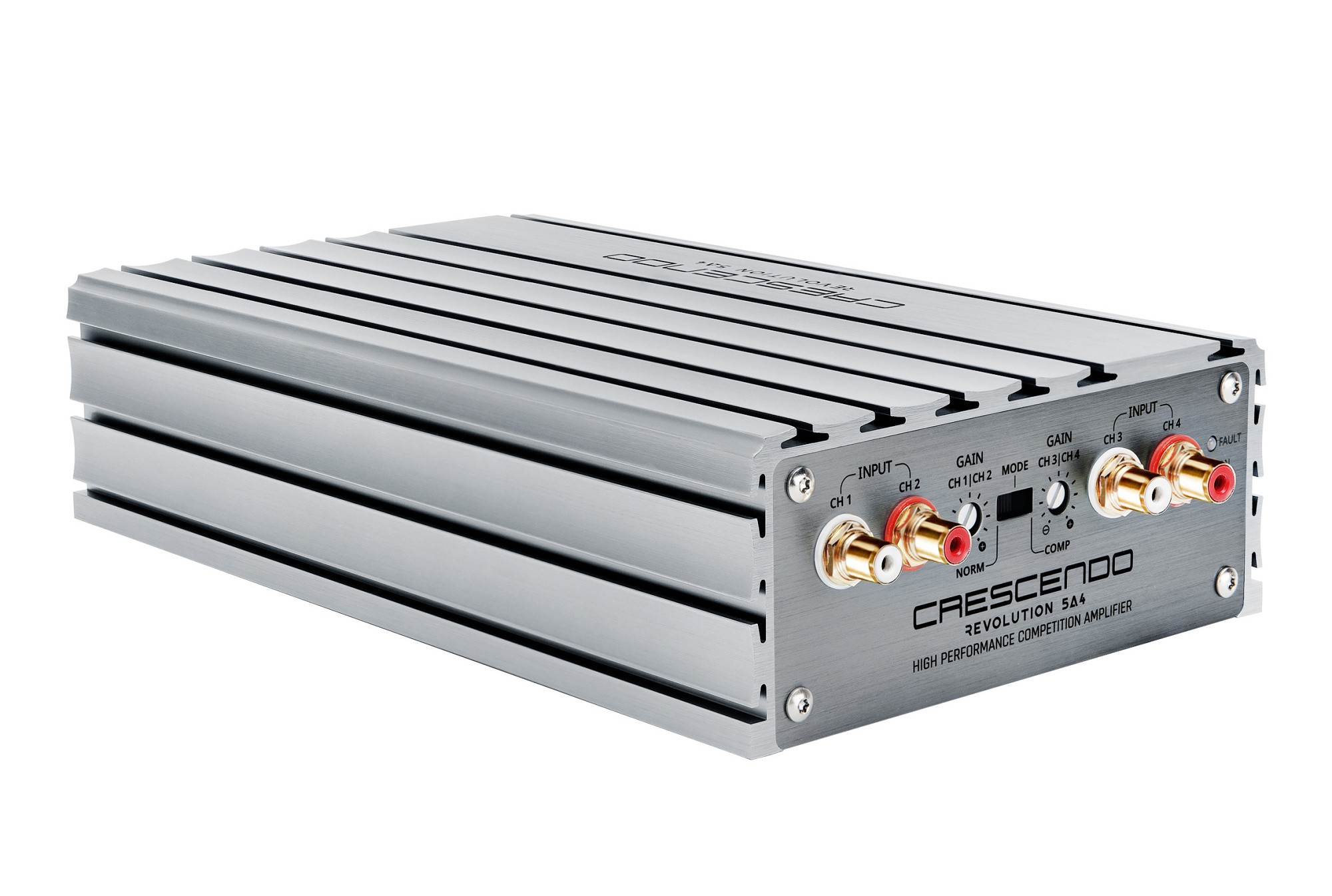
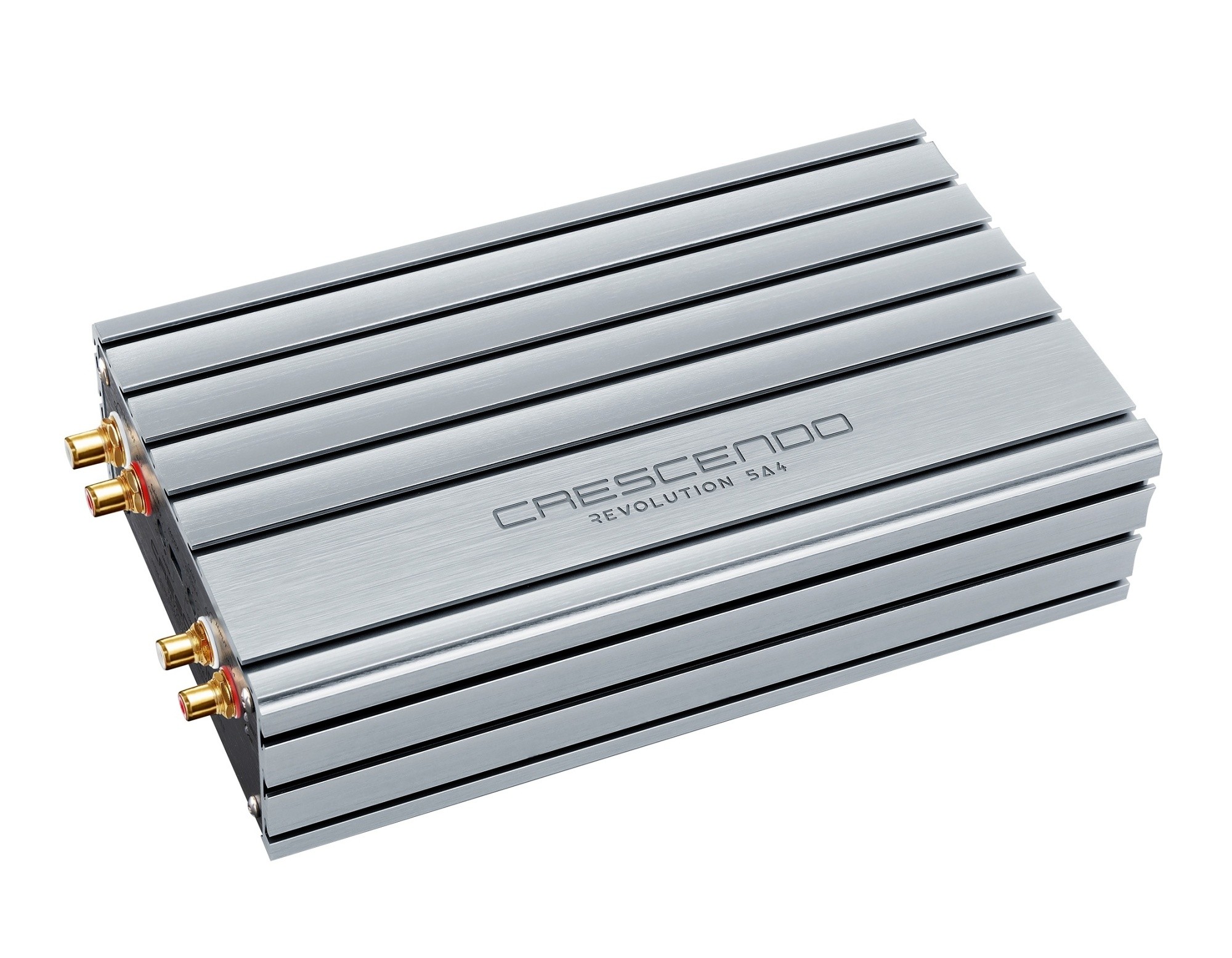
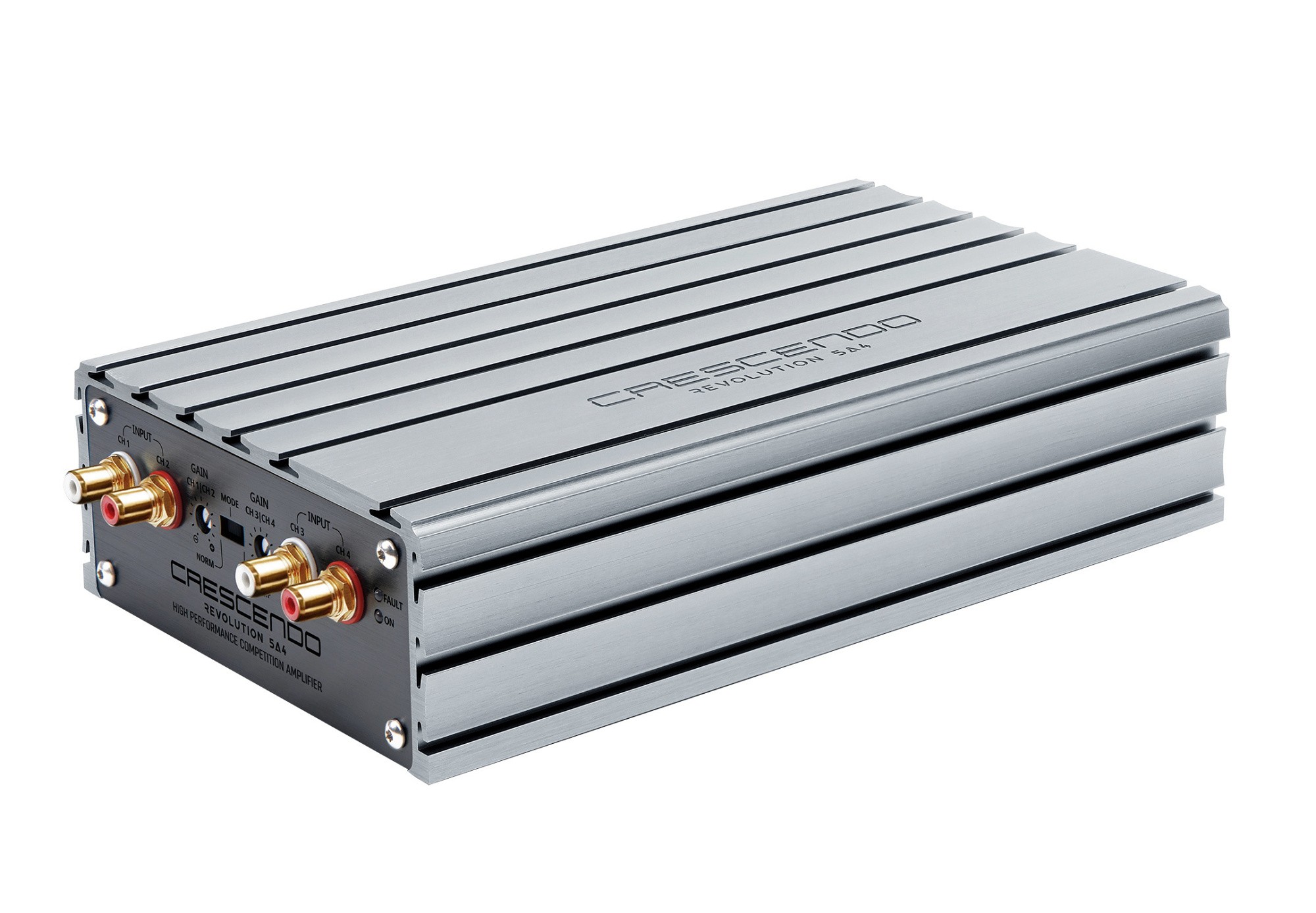
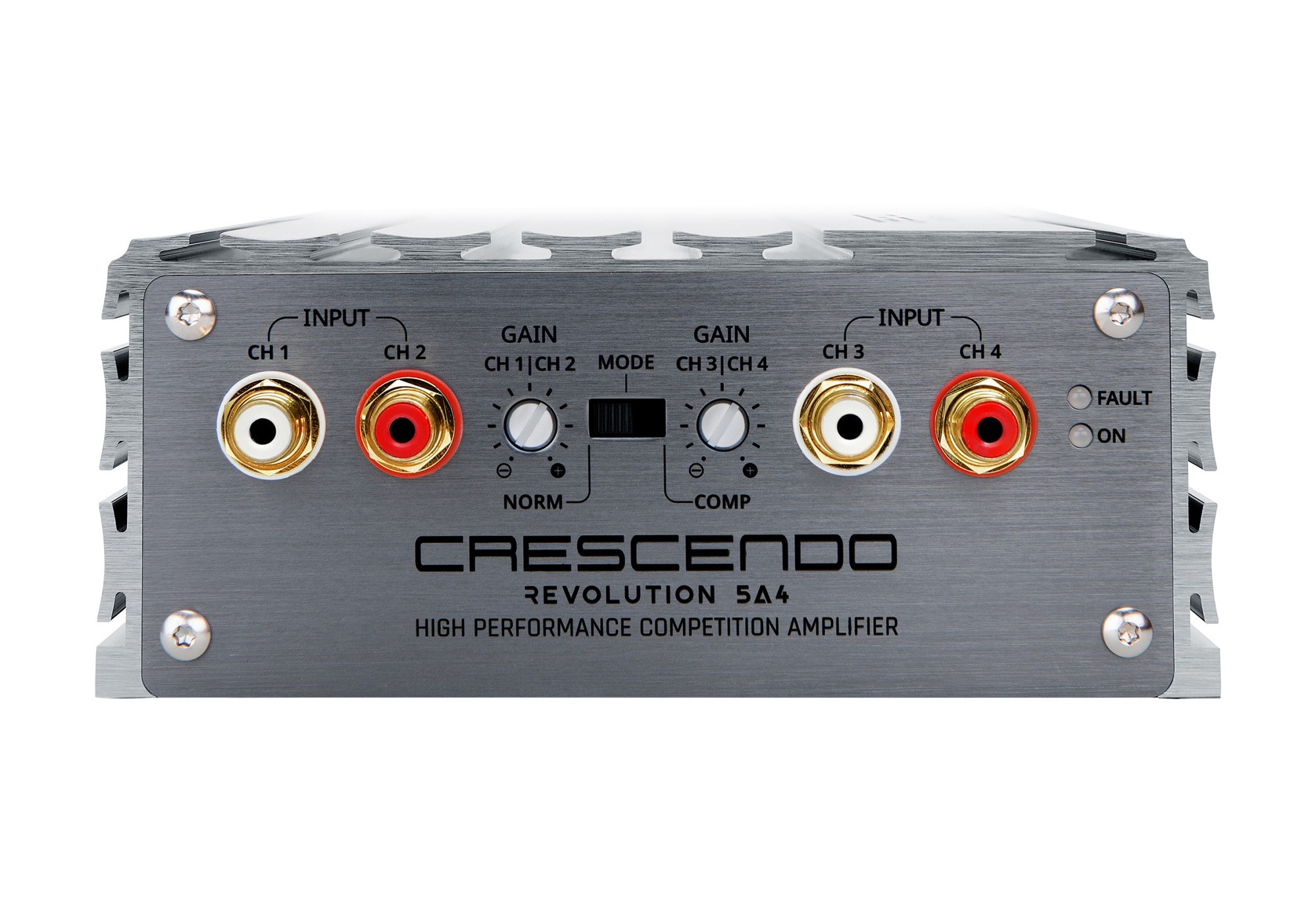
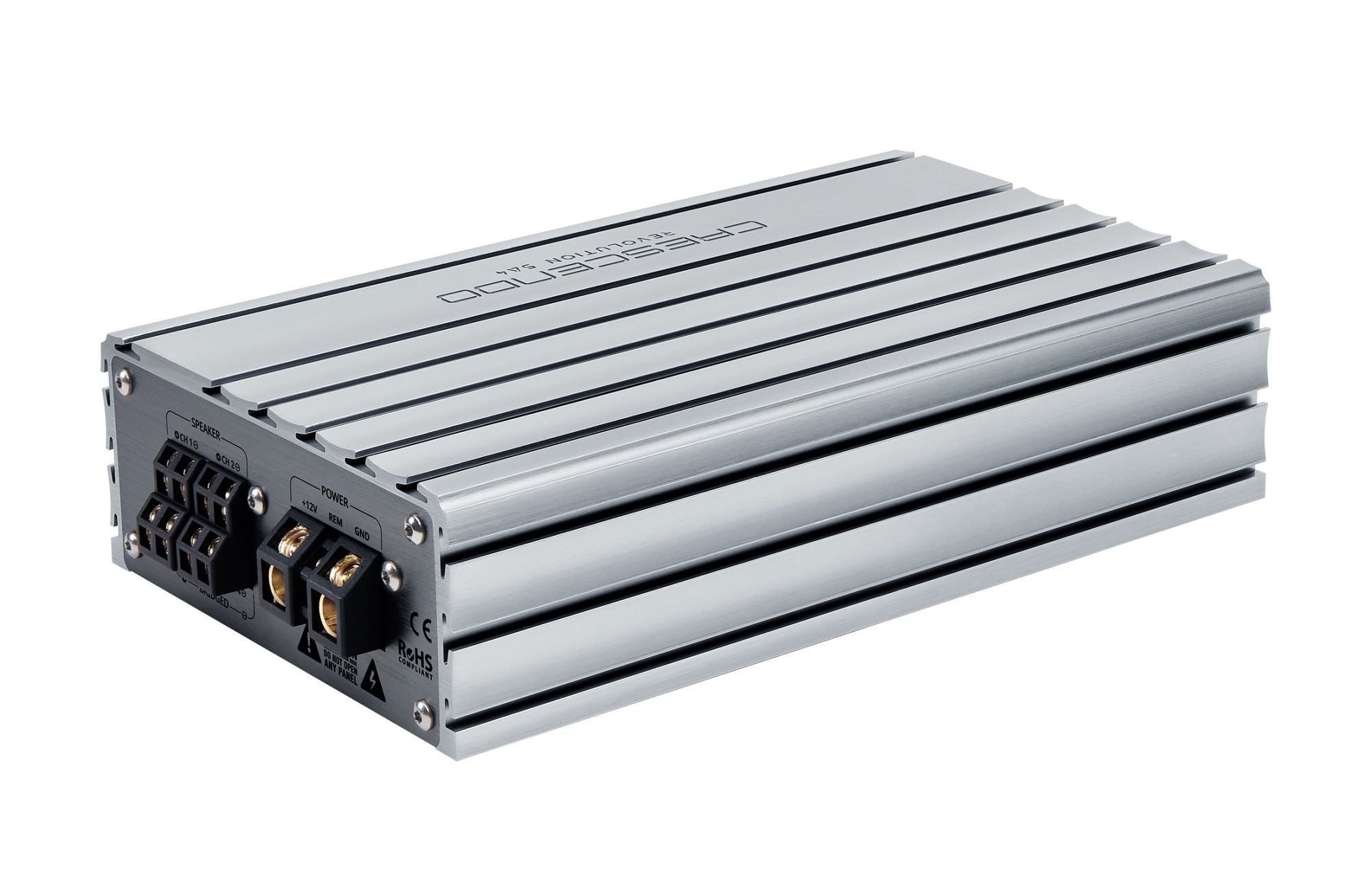
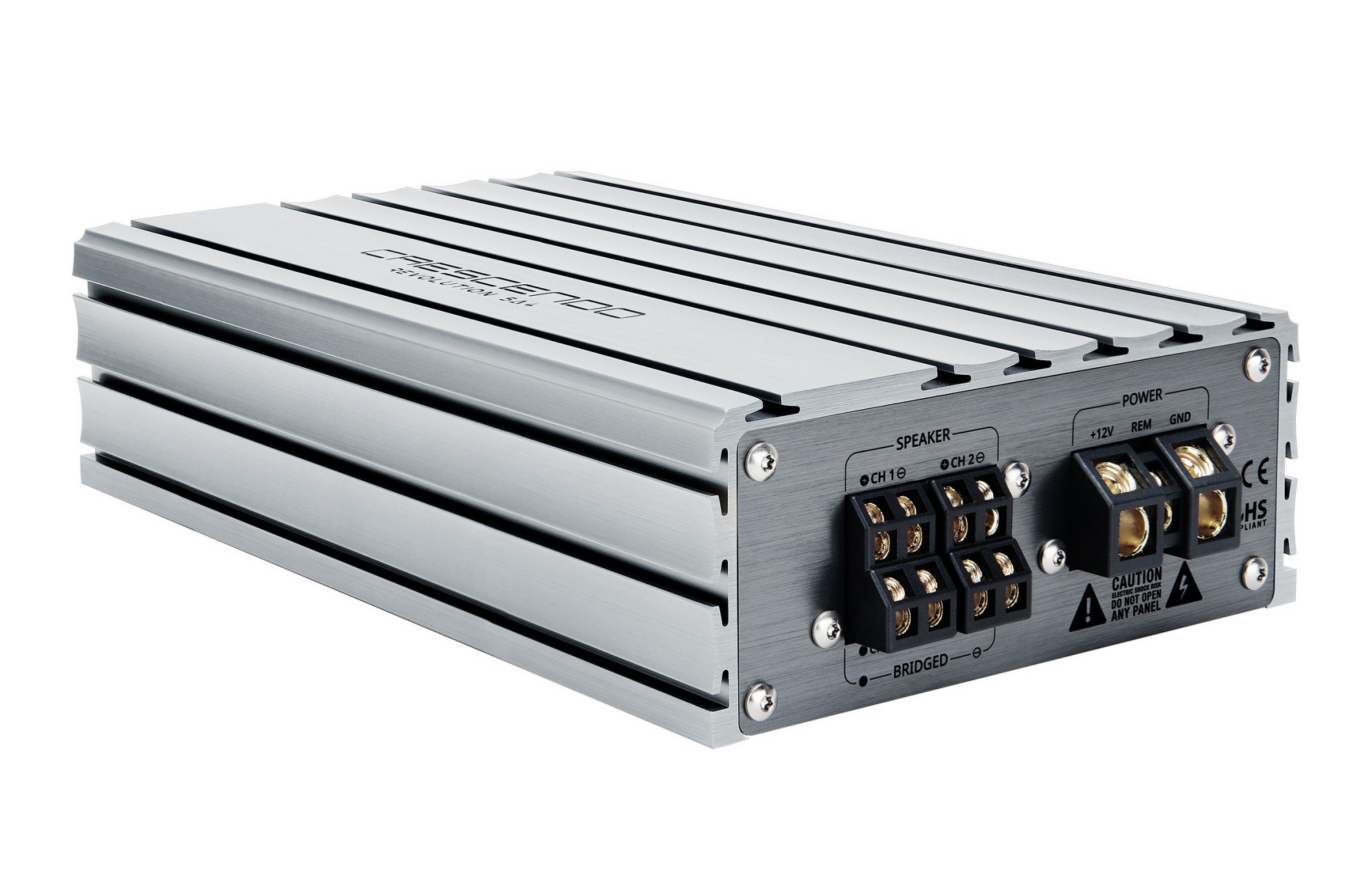
Amplifier Crescendo Revolution 5A4
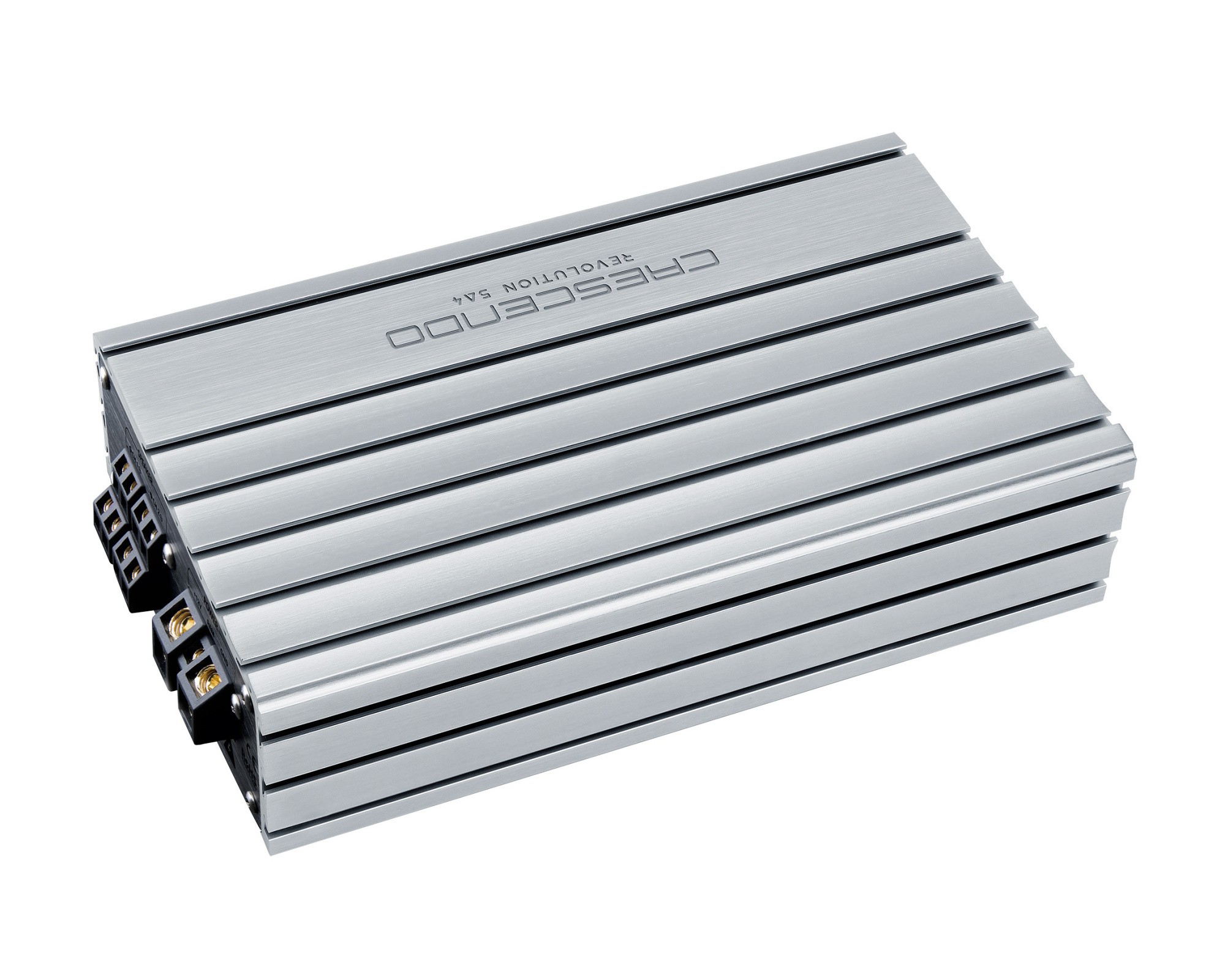
The Crescendo Revolution 5A4 is a top-tier 4-channel amplifier that brings you closer to a breathtaking musical experience with impressive presentation of all instruments and full-bodied vocals. The amplifier was constructed primarily to appeal to audiophiles and music enthusiasts who demand highly musical and harmonically balanced sound. The Crescendo Revolution 5A4 was designed for both advanced audio installations and sound quality competitions, for which it also features an enhanced switchable Competition mode. Analog Class AB with higher bias and top-tier internal components ensures the class’s typically faithful sound, very low distortion, and an excellent signal-to-noise ratio for inimitably clean sound. The aluminum heatsink ensures efficient heat dissipation for long-term amplifier reliability. The gray brushed aluminum finish looks stylish and will become a standout part of any installation. The focus on absolute audio quality is also reflected by the absence of any filters and crossovers that could negatively affect the resulting sound. That is why Crescendo counts on an external DSP processor (or an advanced aftermarket head unit) as an essential part of every quality installation. Connections are therefore exclusively via low-level RCA inputs. The amplifier is also ready for high-resolution music playback thanks to an extended frequency range.
Main features of the Crescendo Revolution 5A4 amplifier
- Four-channel Class AB amplifier.
- Top-tier sound with exceptional musicality and fidelity.
- Very low distortion and an excellent signal-to-noise ratio for inimitably clean sound.
- Designed for demanding music enthusiasts and sound quality competitions.
- Sufficient power for most higher-end speakers.
- Compact dimensions for easy installation in modern vehicles.
- Aluminum heatsink ensures efficient heat dissipation for long-term reliability.
- Gray brushed aluminum finish for a stylish installation.
- Contains no filters or crossovers, that could negatively affect the resulting sound.
- Ready for high-resolution music playback thanks to an extended frequency range.
- Smooth input signal control.
- Stable down to 2 Ω, bridged to 4 Ω.
- Low-level RCA inputs.
| Catalog number | CRESCENDO REV 5A4 |
| Brand | Crescendo |
| Links | Official web presentation |
| Energy class of the amplifierAmplifiers are divided into two basic classes: analog and digital . Analog amplifiers (A/B) have higher consumption requirements, but usually have a more natural sound. Digital amplifiers (D) have significantly lower consumption and higher efficiency, but the sound may not be as faithful as with classic analog amplifiers. | AB |
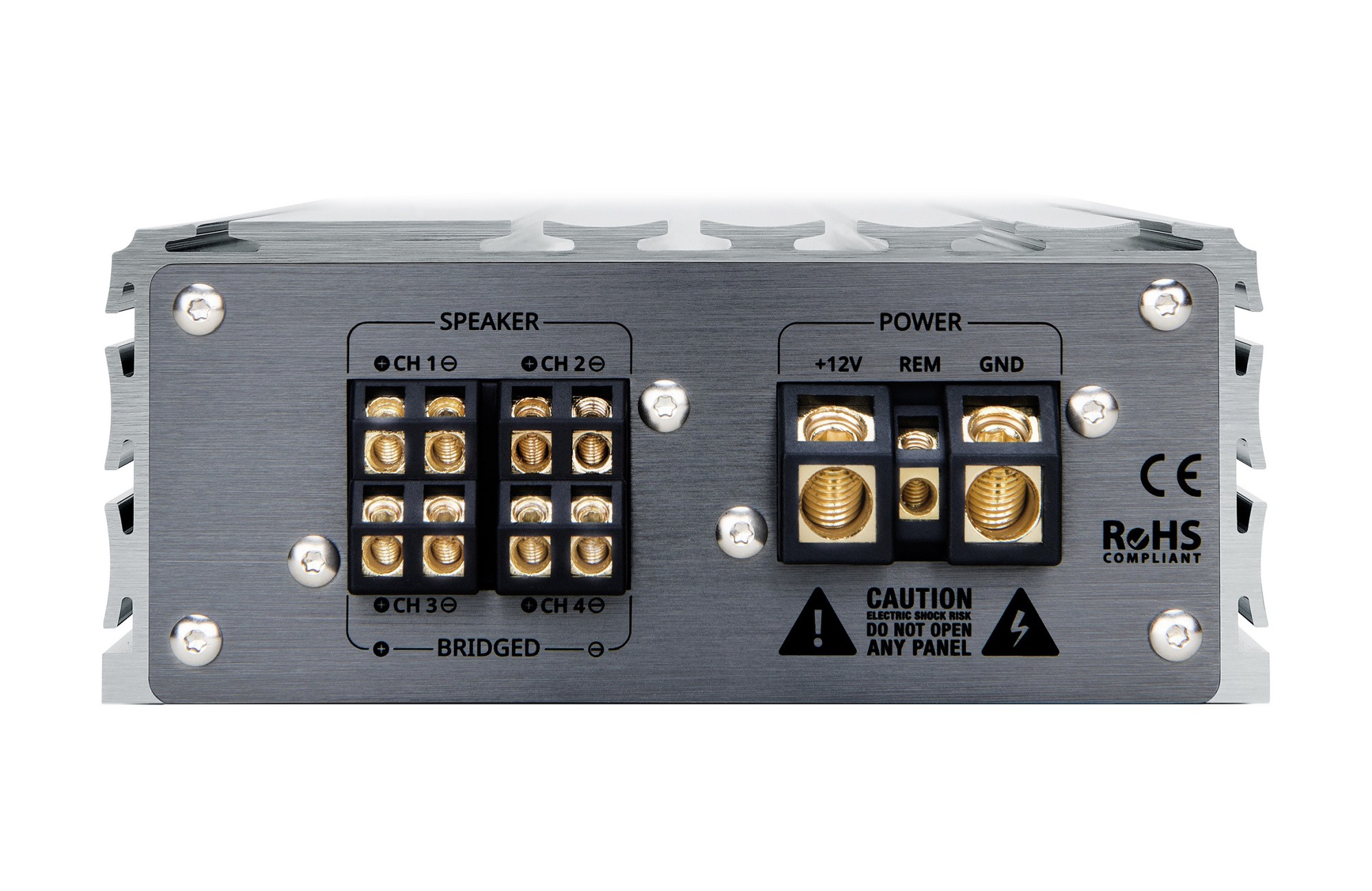
| Number of amplifier channelsAmplifiers are divided into: - Monoblocks - 2-channel - 3-channel - 4-channel - 5-channel - 6-channel - multi-channel Each channel is used to power one speaker for the coaxial type, or one side if they are component speakers. Monoblock type amplifiers are mainly used for subwoofers. 2-channel are suitable for both subwoofers and, for example, the front pair of speakers in a car. 3-channel is used for front or rear speakers + subwoofer. 4-channel are used for front + rear speakers or 1 pair of speakers + subwoofer. 6 or 5-channel are used for 2 pairs of speakers + subwoofer, most often. Bridging means connecting the amplifier to a bridge, using the + pole from one channel and the - pole from the other channel. In most cases this is shown as "BRIDGED" on the amplifier. | 4 |
| RMS power into 4 ΩRMS power when loading speakers or subwoofer at 4 Ω. RMS power is the constant power of the amplifier and is one of the most important parameters when choosing an amplifier. | 4 x 75 / 2 x 210 W |
| RMS power into 2 ΩRMS power when loading speakers or subwoofer at 2 Ω. RMS power is the constant power of the amplifier and is one of the most important parameters when choosing an amplifier. | 4 x 125 W |
| Frequency rangeThe ability of the amplifier to reproduce the signal from the lowest frequency to the highest = faithfully reproduce the sound in a specific frequency band. Professionally: In the frequency range from 40 to 16,000 Hz, the vast majority of fundamental and overtones (harmonics) of all musical instruments are found. We are interested in the course of the radiated sound pressure in this range of frequencies when the loudspeaker system is supplied with constant power. We call this course the frequency characteristic, which tells us the level of radiated sound pressure in decibels (dB) depending on the frequency. The frequency characteristic of a speaker or speaker system can be expressed most succinctly with a graph. Mostly, however, the frequency characteristic is indicated by indicating the maximum tolerance of the sound pressure in the given frequency range, e.g. 50 to 15,000 Hz -+ 6 dB. Since the frequency characteristics of loudspeakers and systems in general are quite uneven, some manufacturers do not even specify this maximum tolerance of sound pressure in decibels in their catalogs for reasons of prestige. Data impoverished in this way is unfortunately worthless. What is valid is that the manufacturer offers a speaker system with a frequency range of 30 to 20,000 Hz, if he is worried about stating the maximum unevenness of the sound pressure in this range, because he can have a tolerance of, for example, +- 20 dB. The unevenness or undulation of the frequency curve in good speaker systems for high-quality music performance should not exceed +-3 dB in the 80 to 12,000 Hz band and +-6 dB in the 40 to 16,000 Hz band. Greater unevenness already depletes or emphasizes certain tonal areas, which can cause audible or even disturbing distortion. The proportion between fundamental tones and higher harmonics also changes, thereby changing the color of the sound, and individual musical instruments as well as the entire musical image sound unnatural. | 7 - 40000 Hz |
| Harmonic Distortion (THD)Total harmonic distortion indicates how much the input signal is distorted in the amplifier. Distortions appear as overtones contained in the output signal. The proportion of originally absent parts of the signal is given as a percentage, typical values are between 0.001% and 0.5%. Distortion is measured in their power band. If it exceeds the limit of 0.7% from a certain power, it is the value of the output power of the given amplifier, from which it no longer plays without distortion and from which the distortion usually increases steeply, so that no further increase in power can be counted on. The lower the value, the better. | 0.08 % |
| Signal-to-noise ratioThe signal-to-noise ratio means that the output signal always contains noise. The signal-to-noise ratio expresses how much of this noise is compared to the useful signal. The so-called A value is given, which does not take deep and very high frequencies into account. This corresponds to the characteristic of human hearing, which is not so sensitive to deep frequencies, especially below 1 kHz. The higher the value, the better the amplifier is. | 108 dB |
| Inputs | 4 x RCA |
| Input sensitivityIn order for the amplifier to perform its function correctly, it requires an input signal of a certain level, which is different for car radios. It is measured in "Volts" (e.g. 2 V, 4 V, etc.) The higher the value at the output of the pre-amplifier, or car radio, the less demands are placed on the power of the amplifier. However, the amplifier must allow this input sensitivity, and for that reason this value is also given for the amplifier. | 5 V to 350 mV |
| Damping factorDF - Damping Factor . It is the ratio of the load (repro + cables, crossover, etc.) to the internal resistance of the amplifier. The bigger the DF, the more controlled the bass. Amplifiers with a lower DF tend to hum. Subwoofers with a higher Q in the bass reflex and sometimes in the enclosure will also cause humming. | > 150 |
| High level inputsThe high-level input on the amplifier allows connection directly to the existing speakers in the car without additional purchase of an external high/low adapter. Important equipment in the case of installing an amplifier on an original car radio. | No |
| Socket input terminalsFerrule terminals allow better wiring contact to the amplifier. It is also a more secure form of terminals. If you are tightening the sleeve terminals, we recommend retightening them after 1 day, as the connected cable gradually compresses. | Yes |
| Dimensions of the amplifier | 270 x 150 x 60 mm |
| Mass | 2.1 Kg |
Evaluation



You might also be interested
 Quick preview1-channel amplifier, 1 x 450 W RMS (4 / 2 / 1 Ω), Class AB719,00 EURIn stockCrescendo Revolution 7A4 Free transport
 TipQuick preview4-channel amplifier, 4 x 150 / 2 x 240 W RMS (4 Ω) / 4 x 480 W RMS (2 Ω), class AB1.649,00 EURIn stockCrescendo Revolution 3A4 Free transport
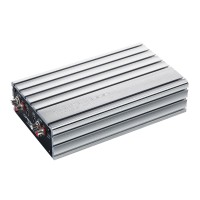 TipQuick preview4-channel amplifier, 4 x 70 / 2 x 180 W RMS (4 Ω) / 4 x 90 W RMS (2 Ω)489,00 EURIn stockCrescendo Revolution 3A1 Free transport
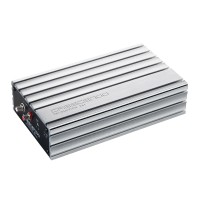 TipQuick preview1-channel amplifier, 1 x 400 / 700 / 1000 W RMS (4 / 2 / 1 Ω), class D539,00 EURIn stockCrescendo Revolution 1A4 Free transport
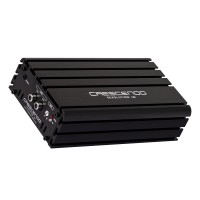 TipQuick preview4-channel amplifier, 4 x 60 / 2 x 180 W RMS (4 Ω) / 4 x 90 W RMS (2 Ω), class D349,00 EURIn stockCrescendo Revolution 1A1 Free transport
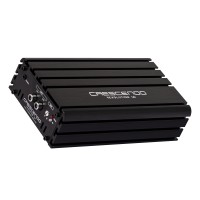 Quick preview1-channel amplifier, 1 x 180 / 300 / 500 W RMS (4 / 2 / 1 Ω), class D349,00 EURIn stockCrescendo Revolution 110 Free transport
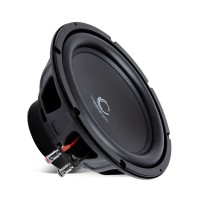 TipQuick previewsubwoofer, Ø 10" (250 mm), 300 W RMS, 84.5 dB (1W/1m), 4 Ω299,00 EURIn stockCrescendo Revolution 710 Free transport
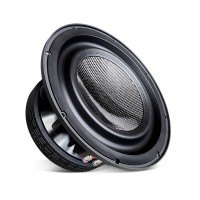 TipPromotionsQuick previewsubwoofer, Ø 10" (250 mm), 500 W RMS, 83.7 dB (1W/1m), 4 Ω899,00 EURIn stock