
Quartorigo Rhapsodis speakers
More about the product
- You can return the goods to us within 14 days
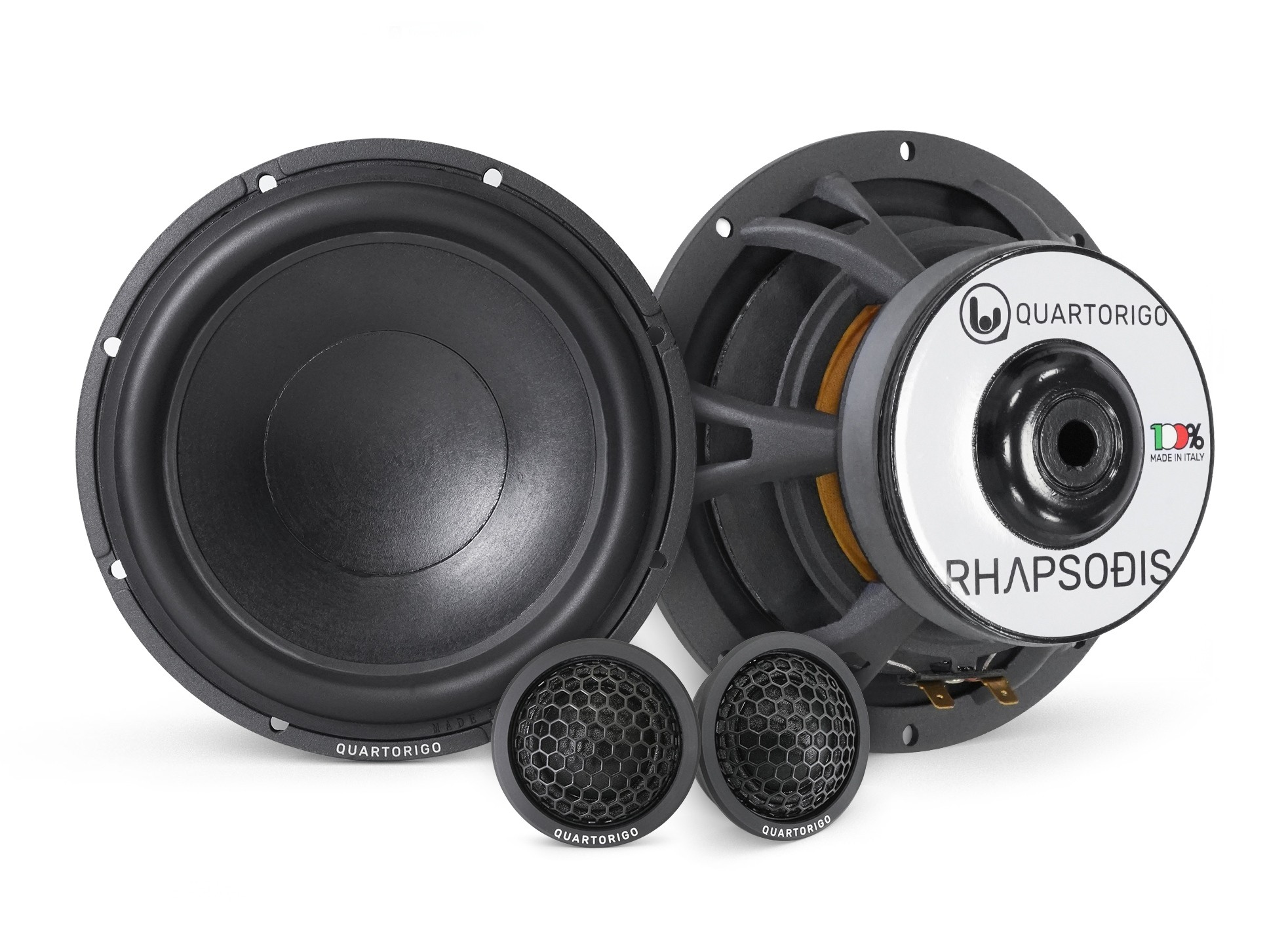
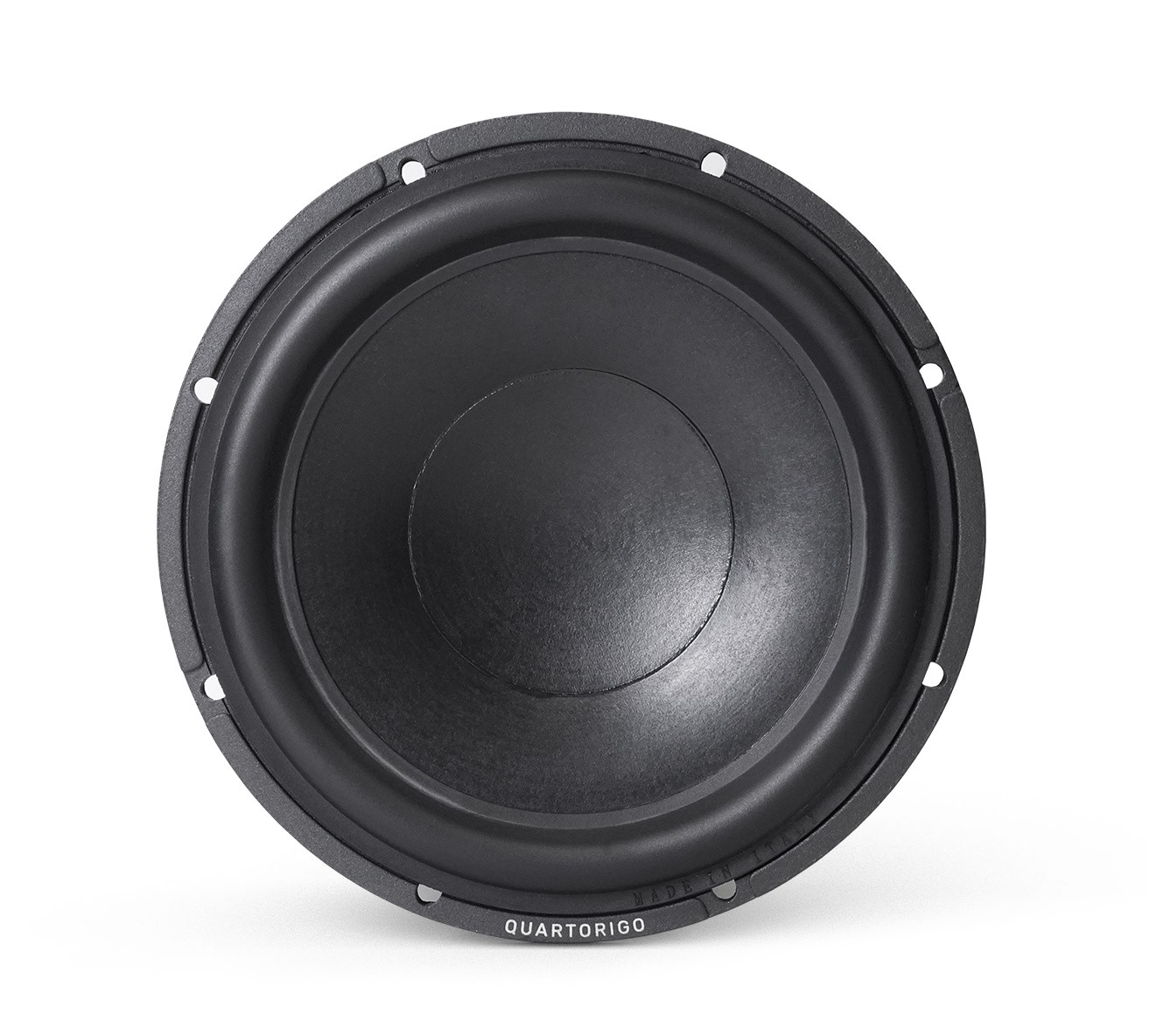
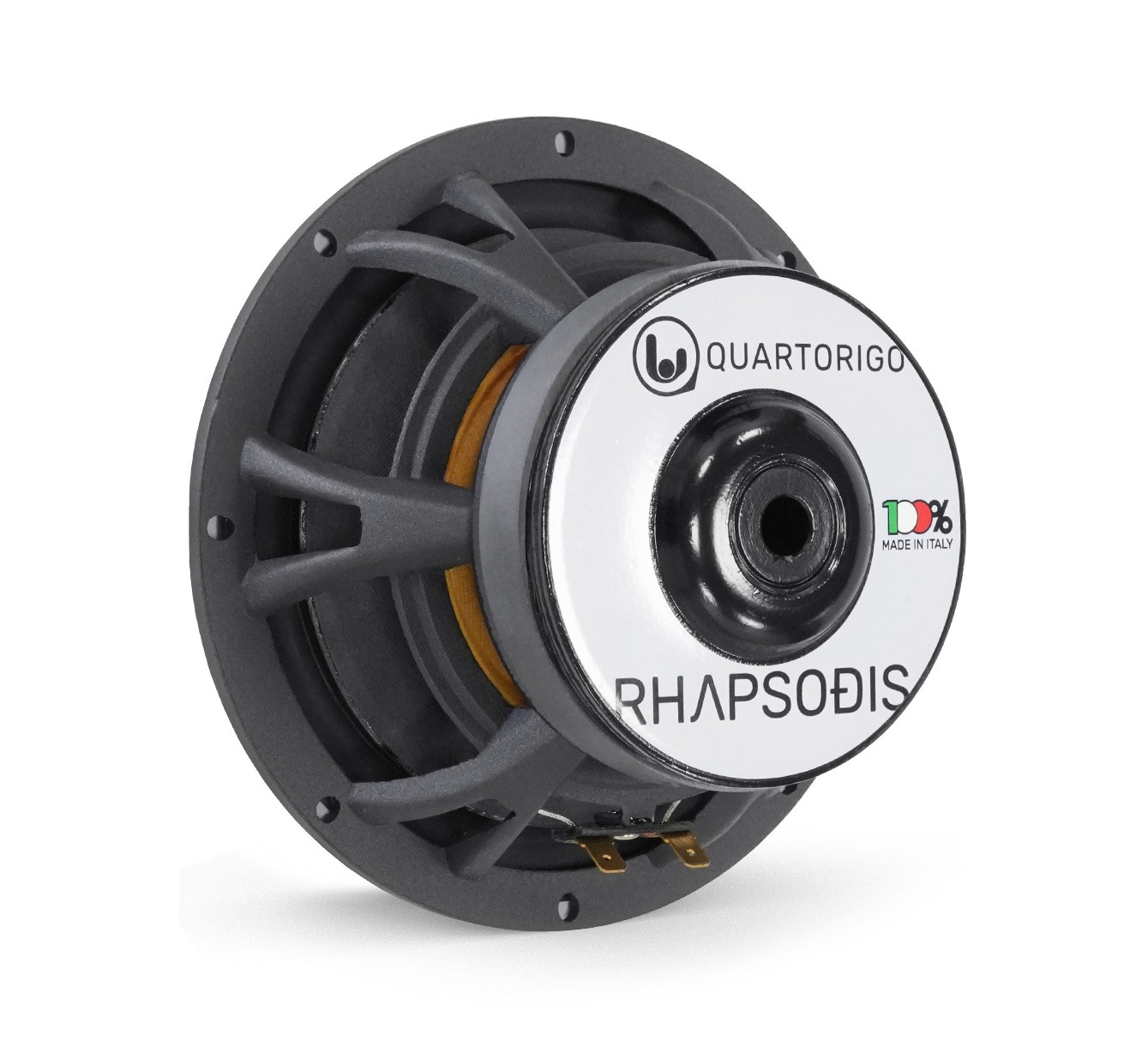
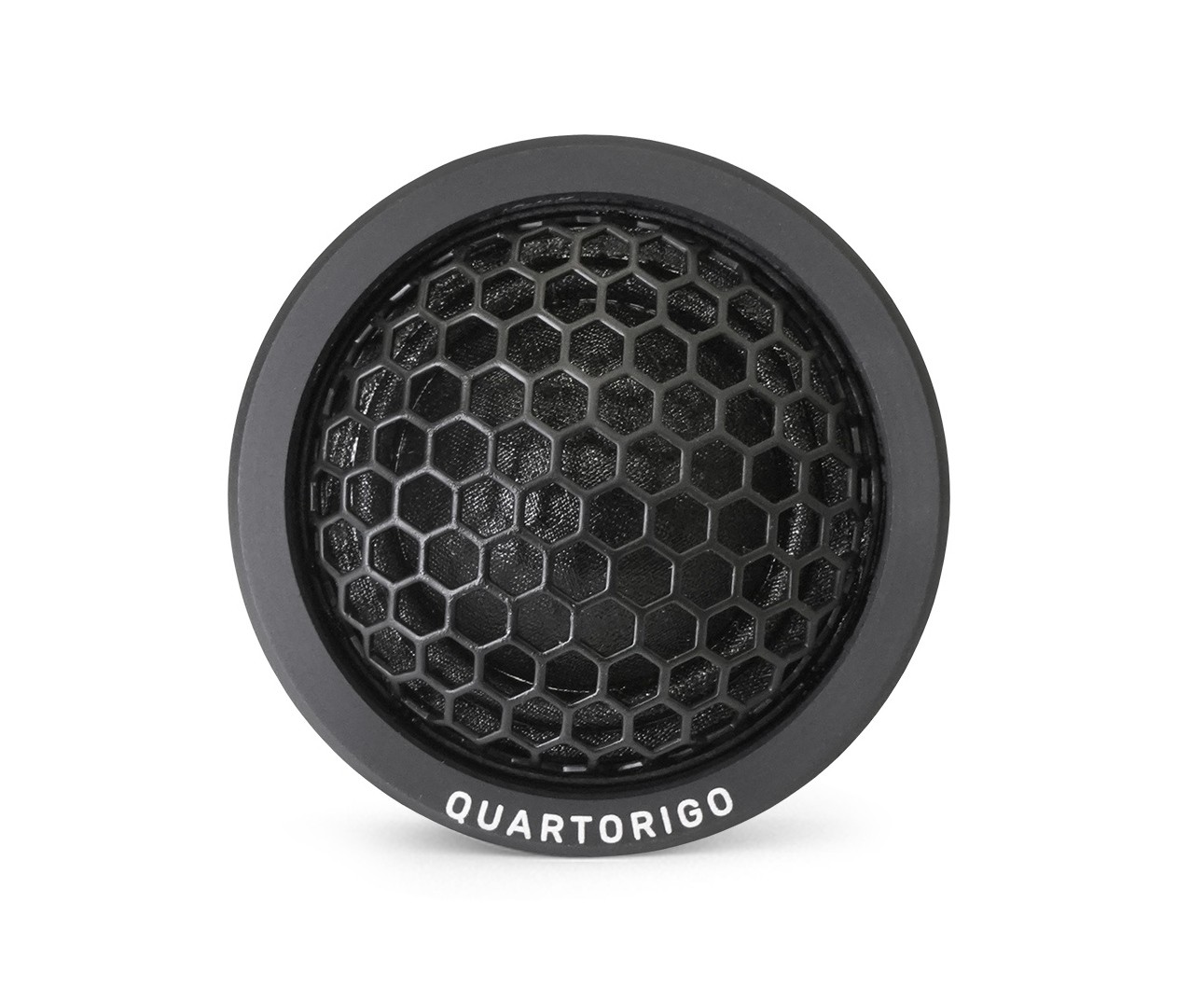
Quartorigo Rhapsodis component speakers
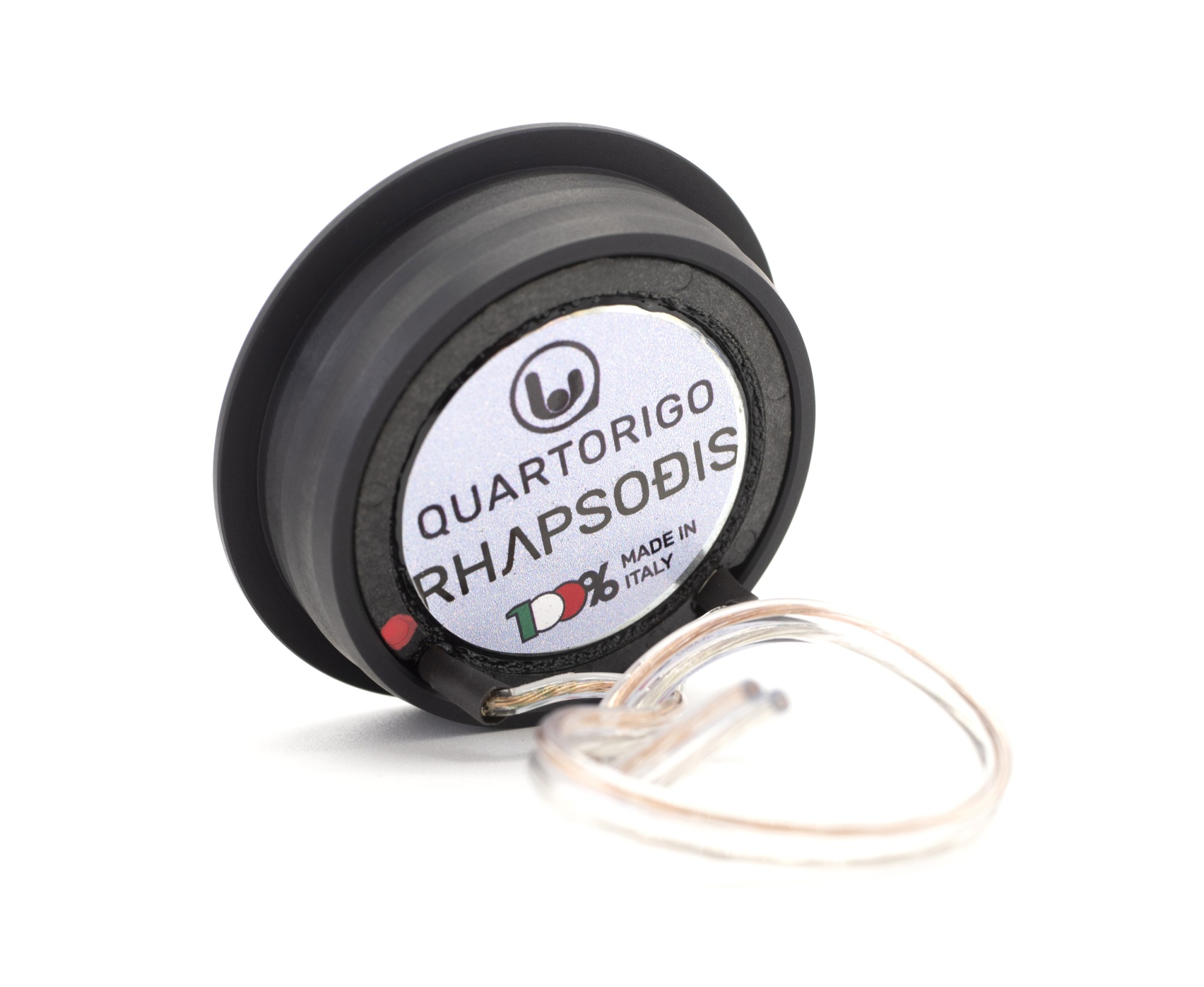
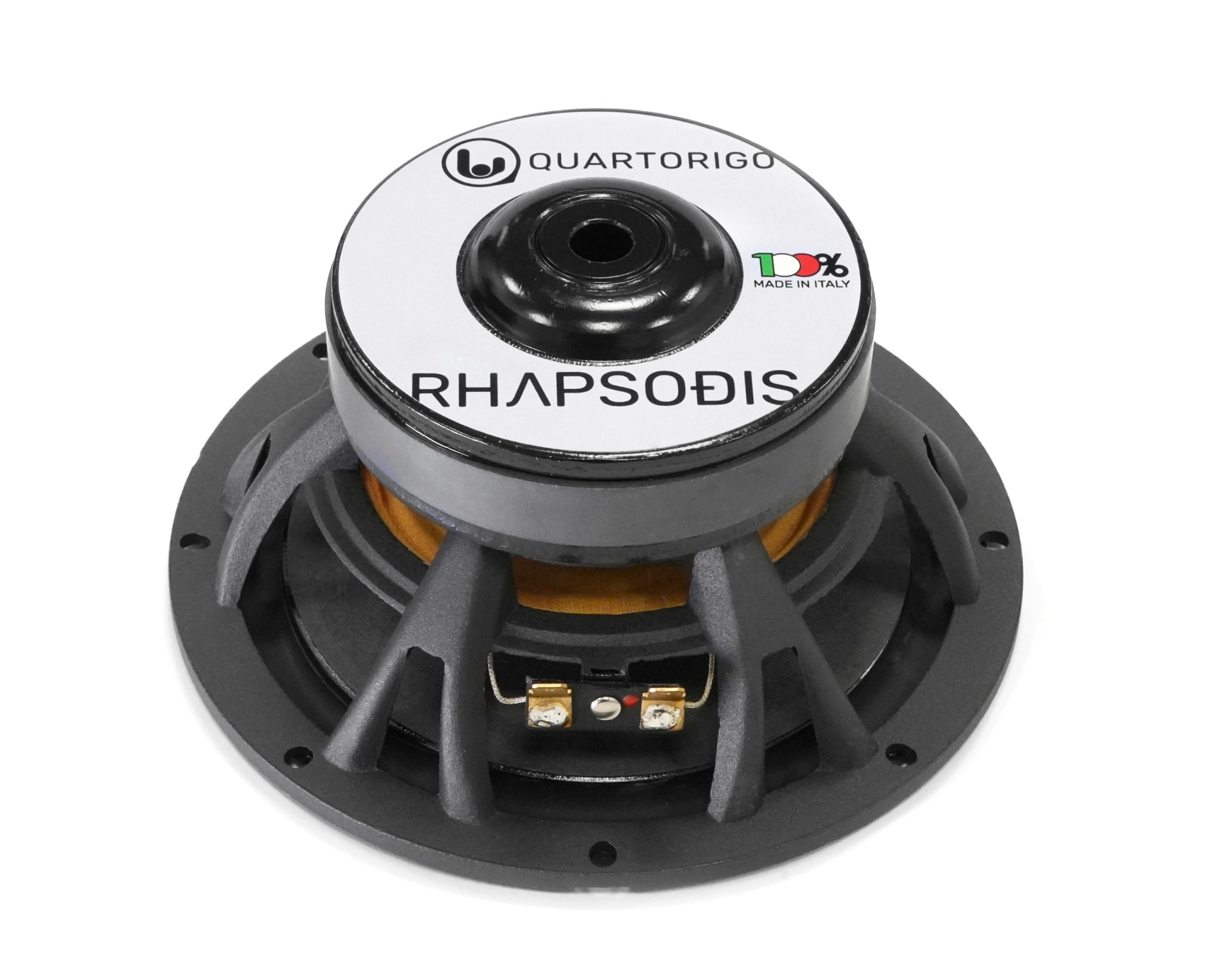
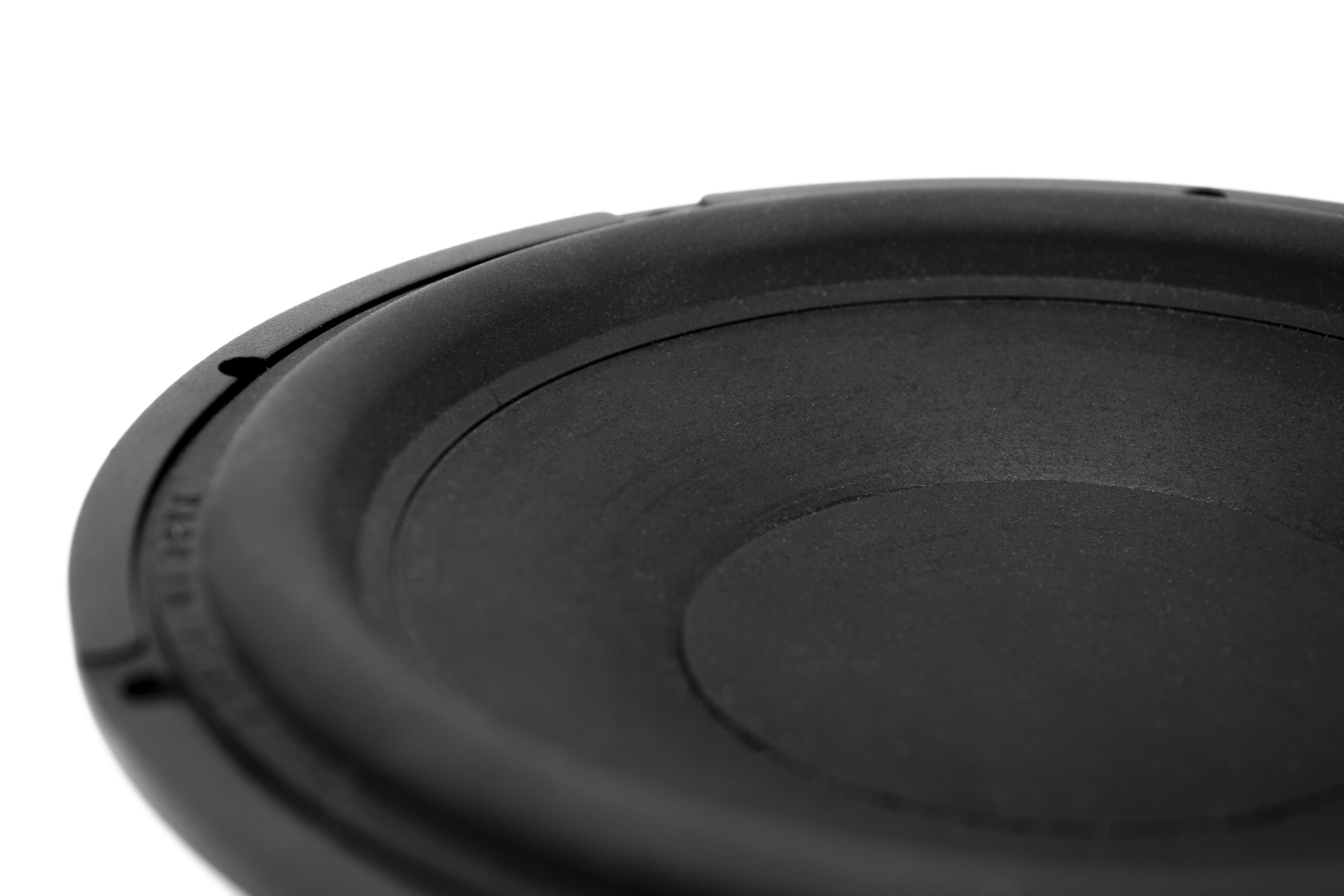
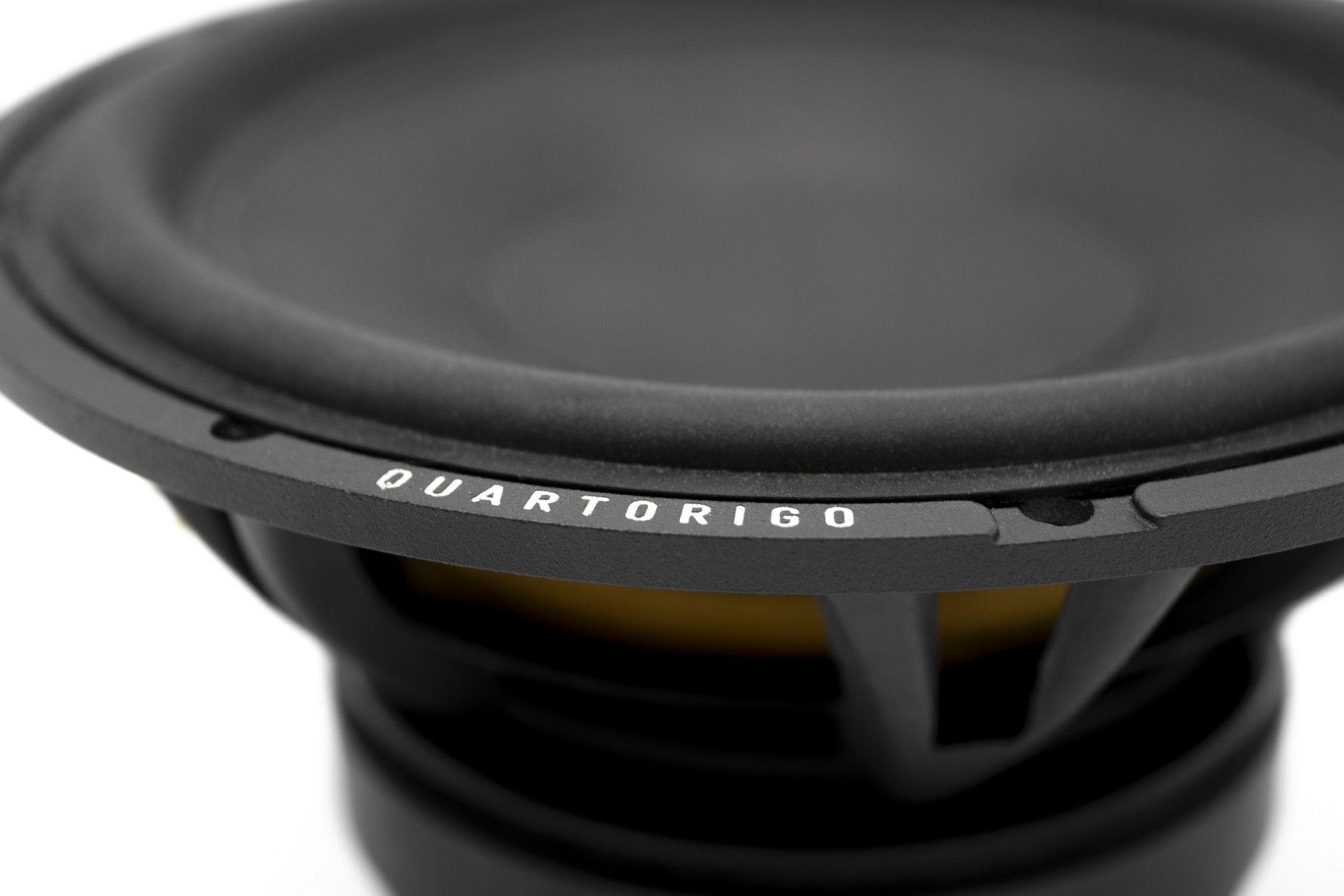
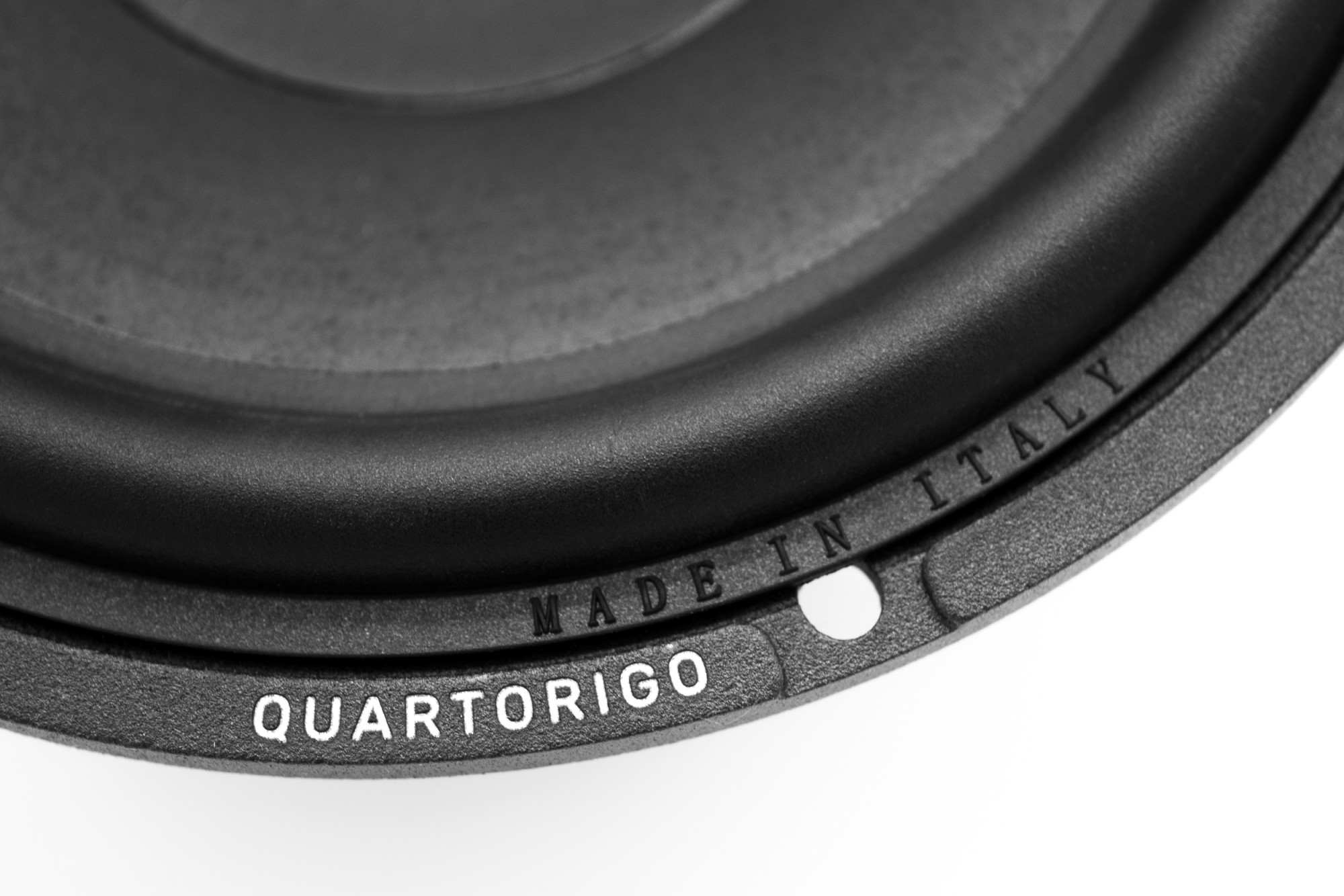
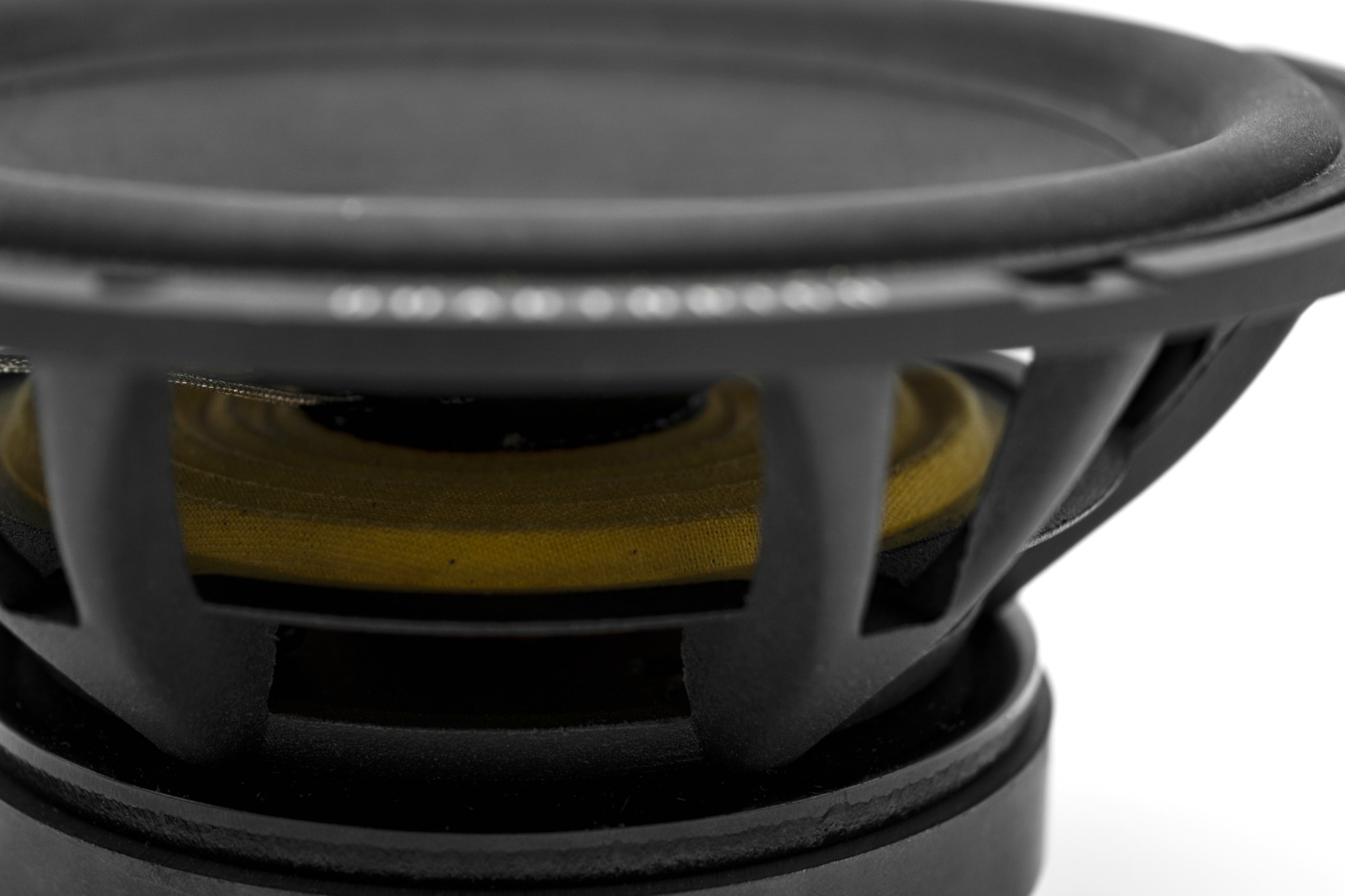
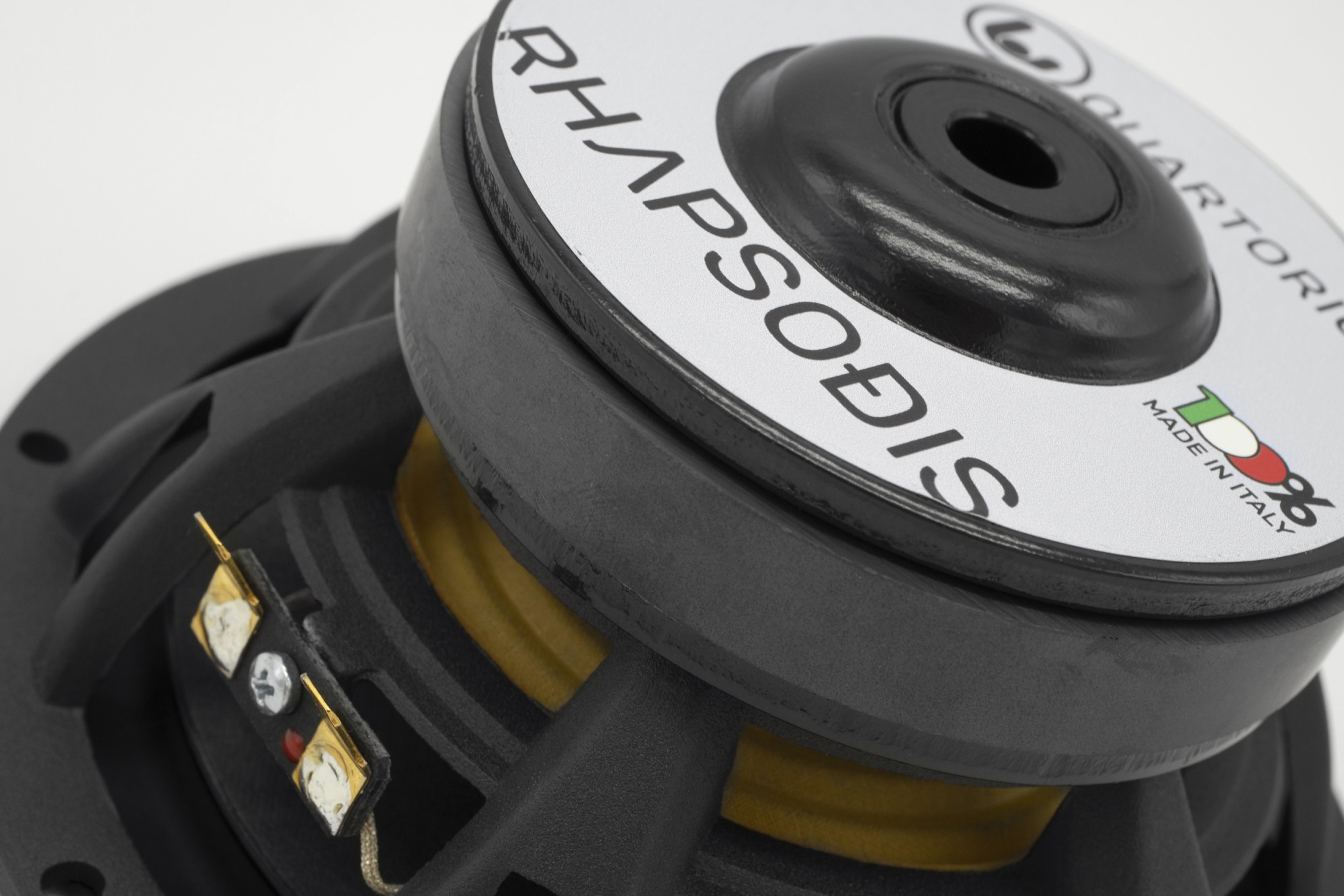
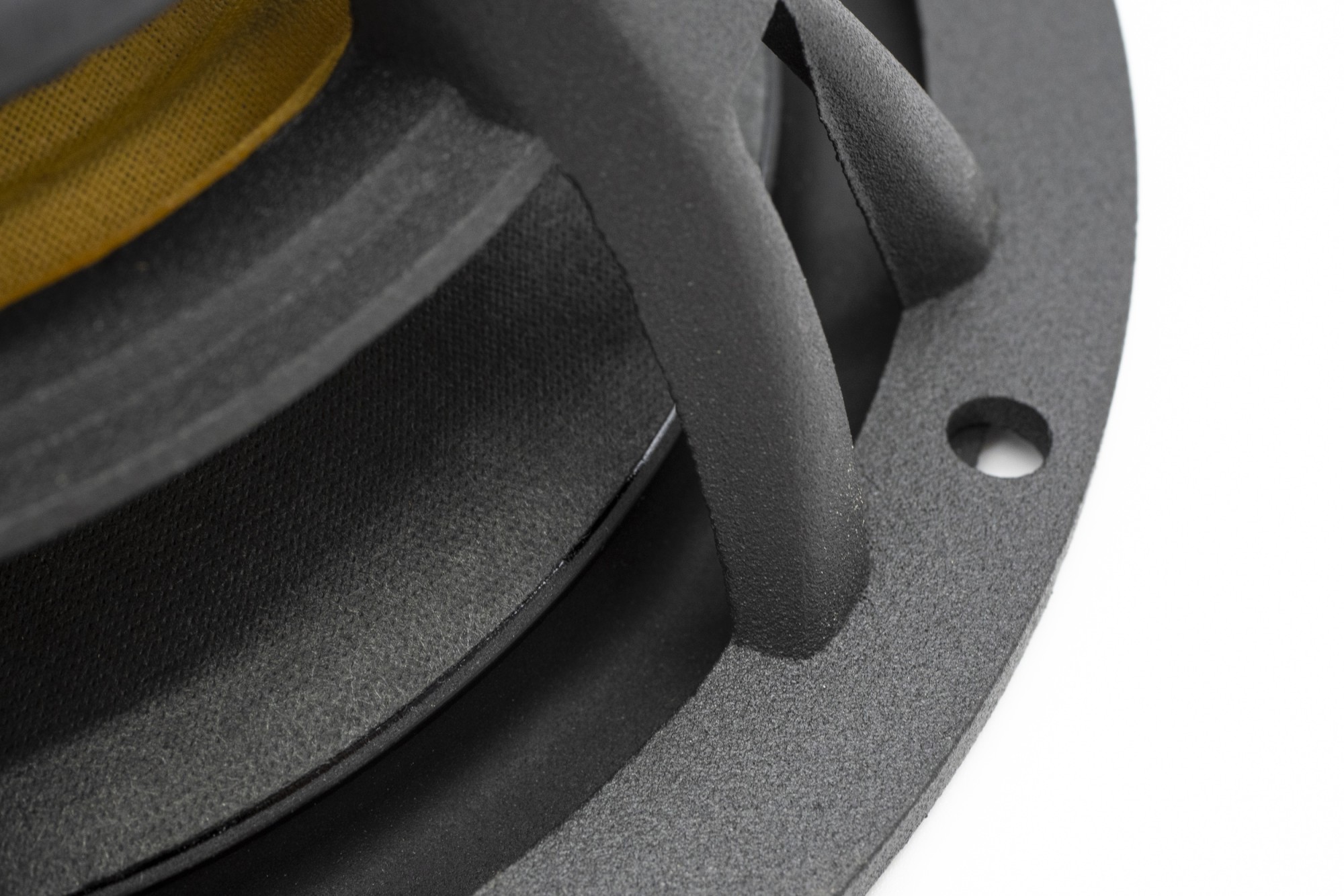
As the etymology perfectly captures, the term Rhapsodis expresses a highly emotional composition full of strong feelings and enthusiasm. In a similar way, the Rhapsodis speakers can be defined as some of the most versatile on the market today. Born to evoke intense emotions faithful to the music and true to their DNA. Rhapsodis offers a complete range from the deepest bass to the higher frequencies, with amazing dynamics and realism. A perfectly tuned four-way system will delight you with its advanced sound and includes everything you need for high-quality audio in your car. Specifically: a midbass, a midrange, a tweeter and, of course, a subwoofer. The Rhapsodis line was also designed for easy installation into original factory locations, which influenced not only the speakers' dimensions but also their acoustic properties, including high sensitivity allowing installation even on weaker amplifiers. The two-way kit includes 165 mm midbass speakers featuring a pressed paper cone and 25 mm silk-dome tweeters. Both materials are renowned for their excellent sound fidelity, especially when precisely tuned by Quartorigo's Italian engineers. The paper cone, which is of course treated to be water-resistant, also has excellent resonance damping in motion, aided by a carefully designed rubber surround. The dominant part of the midbass is the die-cast aluminum basket, whose biggest advantages are its stiffness, excellent vibration damping and, thanks to its very open design, ventilation and heat dissipation from the voice coil at high power. That is also ensured by the large 32 mm diameter voice coil together with a robust ferrite magnet. If you are looking for a speaker system with unprecedentedly faithful and detailed sound in an affordable price category, consider the Rhapsodis line. The internationally recognized 100% Made in Italy certification guarantees high quality and perfect workmanship.
Main features of Quartorigo Rhapsodis speakers
- 2-way component system from the advanced Rhapsodis series.
- 25 mm silk-dome tweeter.
- 165 mm midbass with a pressed paper cone and water-resistant treatment.
- Durable rubber surround provides exemplary damping and lateral stability.
- High sensitivity allows connection to weaker amplifiers and factory radios.
- 4.7 µF capacitor for tweeter protection in passive configurations.
- Easy installation in most vehicles thanks to the compact tweeter dimensions.
- Exceptionally rigid die-cast midbass basket with excellent vibration damping.
- High-quality ferrite magnet for exceptional power control.
- Also available: a center speaker for a 3-way system.
- 100% Made in Italy certification.
About the Quartorigo brand
For music Lovers. The motto of this Italian manufacturer, depicted by the conductor in its logo, also expresses Quartorigo's basic principles. In a highly competitive market where brands and products quickly lose their identity, Quartorigo offers a clear and solid origin. Quartorigo is proud of its heritage and in every product combines the essence of Italian design, honest craftsmanship and a passion for music through which it seeks to present its way of being, thinking and perceiving. With Quartorigo products you instantly move from the concert hall to the seats of your car, experiencing the same emotions without losing a single tone. In line with this concept, Quartorigo embodies a true conductor sitting in front of you to provide a unique musical experience that remains true to its origin. For more than 25 years you can rely on handcrafted products born in the distant past, perfected over time and made to last a lifetime.| Catalog number | RHAPSODIS |
| Brand | Quartorigo |
| Links | Official web presentation |
| Speaker typeCoaxial speakers: Coaxial speakers are characterized by a so-called all-in-one design. The tweeter and mid-bass speaker are in one basket. The advantage is simpler assembly, but thanks to the connection or proximity of the bands in one speaker, the sound quality will usually be reduced. As a rule, in the middle of the mid-bass speaker, there is a tweeter whose voice coil works in the second air gap of the common magnetic circuit. The three-way coaxial speaker consists of a mid-bass speaker, a center speaker and a separate tweeter in the front on a special beam. Component Speakers: Component speakers are characterized by a division into individual frequency bands, treble + mid-bass + or. bass band. The individual speakers can be placed completely separately, which results in a better sound and acoustic performance. In the vast majority of cases of component speakers, an external crossover is also supplied, which divides the treble, middle / mid-bass, and into the three-band the bass band or allows setting the decibel level of the tweeter (e.g. +2 dB, 0 dB, -2 dB), steepness (e.g. 6dB/Oct. 12dB/Oct.) or active or bi-amp connection. | Component 2-way |
| RMS powerRMS speaker power is the constant power of the entire system, not just one speaker or one side. This is also the performance of continuous use of the speakers. If the RMS power is exceeded for a long time, the speakers may be irreversibly damaged! | 70 W |
| Sensitivity (SPL 2.83V/1m)Sensitivity, sensitivity or efficiency of the speaker. Speaker sensitivity is given in decibels (dB) and simply put, the higher the value, the lower the demands on the amplifier's power. This is a defacto rating of how a speaker converts watts to sound. Sensitivity ratings are in noise level measured at 1 meter from the speaker using 1 W (watt of power) or using 2.83 volts at the source at 1 meter. A higher decibel level means the speaker is louder with less power. For every 3 dB increase in sensitivity, the speaker requires half the power to reproduce the same volume. For example, if an 88 dB speaker needs 100 Watts to produce a certain volume, then a speaker with a sensitivity of 91 dB needs only 50 Watts to reach the same volume. | 92 dB |
| Sensitivity (SPL 1W/1m)Sensitivity, sensitivity or efficiency of the speaker. Speaker sensitivity is given in decibels (dB) and simply put, the higher the value, the lower the demands on the amplifier's power. This is a defacto rating of how a speaker converts watts to sound. Sensitivity ratings are in noise level measured at 1 meter from the speaker using 1 W (watt of power) or using 2.83 volts at the source at 1 meter. A higher decibel level means the speaker is louder with less power. For every 3 dB increase in sensitivity, the speaker requires half the power to reproduce the same volume. For example, if an 88 dB speaker needs 100 Watts to produce a certain volume, then a speaker with a sensitivity of 91 dB needs only 50 Watts to reach the same volume. | 89 dB |
| ImpedanceImpedance - measurement of electrical resistance. When buying speakers, it is important to make sure that the impedance matches the amplifier or car stereo you are using. Example: A 2 Ohm speaker cannot be connected to an amplifier that is only stable up to 4 Ohms! A 4 Ohm speaker can easily be used with an amplifier that is stable up to 2 Ohms. The most common speaker impedance today is 3 - 4 Ohm. | 4 Ω |
| Frequency rangeThe ability of the speakers to play a signal from the lowest frequency to the highest, or the speaker's ability to faithfully reproduce sound in a specific frequency band. Professionally: In the frequency range from 40 to 16,000 Hz, the vast majority of fundamental and overtones (harmonics) of all musical instruments are found. We are interested in the course of the radiated sound pressure in this range of frequencies when the loudspeaker system is supplied with constant power. We call this course the frequency characteristic, which tells us the level of radiated sound pressure in decibels (dB) depending on the frequency. The frequency characteristic of a speaker or speaker system can be expressed most succinctly with a graph. Mostly, however, the frequency characteristic is indicated by indicating the maximum tolerance of the sound pressure in the given frequency range, e.g. 50 to 15,000 Hz -+ 6 dB. Since the frequency characteristics of loudspeakers and systems in general are quite uneven, some manufacturers do not even specify this maximum tolerance of sound pressure in decibels in their catalogs for reasons of prestige. Data impoverished in this way is unfortunately worthless. What is valid is that the manufacturer offers a speaker system with a frequency range of 30 to 20,000 Hz, if he is worried about stating the maximum unevenness of the sound pressure in this range, because he can have a tolerance of, for example, +- 20 dB. The unevenness or undulation of the frequency curve in good speaker systems for high-quality music performance should not exceed +-3 dB in the 80 to 12,000 Hz band and +-6 dB in the 40 to 16,000 Hz band. Greater unevenness already depletes or emphasizes certain tonal areas, which can cause audible or even disturbing distortion. The proportion between fundamental tones and higher harmonics also changes, thereby changing the color of the sound, and individual musical instruments as well as the entire musical image sound unnatural. | 60 - 20000 Hz |
| The diameter of the mid-bass speakerWe state the diameter of the speaker as the diameter of the entire speaker, not including the mounts, when smaller speakers (87, 100, 130 mm) have extra mounts. Some speakers are oval and there the dimension is given in inches, always the shortest side to the longest side. One inch is approx. 2.5 cm. | 165 mm |
| Mid-woofer diaphragm materialThe material that was used for the speaker diaphragm. Don't be afraid of the paper, it surprisingly has a very natural and high-quality sound and, thanks to the surface treatment, it can withstand moisture without any problems. | Pressed paper |
| Resonant frequency of the mid-bass speaker | 59.15 Hz |
| Tweeter dome diameterThe net diameter of the dome (diaphragm) of the tweeter. | 25 mm |
| Tweeter dome materialThe shell material that was used in the manufacture of the tweeter. | Silk |
| Frequency crossover included in the packageThe crossover is an important part of defacto all loudspeakers. A crossover usually contains different resistor values, coil sizes, and capacitor types that fundamentally modify the sound. We describe below what the turnouts are for. Component Speakers: A crossover is part of every quality component speaker system. Its task is to ensure the distribution of frequencies that the amplifier produces in the entire acoustic spectrum of frequencies so that each of the speakers receives only that part of the band that it can optimally play in terms of efficiency and minimal distortion. Coaxial speakers: In most cases, coaxial loudspeakers have a simple crossover (6dB/Oct.) formed by a capacitor at the tweeter. | Yes (4.7 µF capacitor) |
| Options for setting the frequency crossoverThe unwritten rule is that the more expensive the speakers, the more options the crossover has for adjusting the sound. The most common way to adjust the crossover is attenuation on the tweeter. More advanced crossovers also offer the option of setting the steepness on the mid-bass and tweeter or adjusting the frequency range. | No |
| Cover grids included in the packageOriginal cover grilles in speaker packaging. | No |
| Price forIf the price is for a pair, the package always includes 2 pieces of everything, e.g. 2x mid-bass, 2x tweeter and 2x crossover. | Pair |
Evaluation
Product assembly


You might also be interested
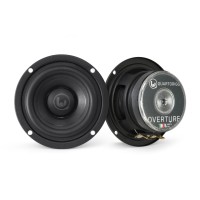 TipQuick previewcenter speakers, Ø 89 mm, 60 W RMS, 4 Ω, 92 dB (2.83V/1m)149,00 EURIn stockComfortmat Ghost
 TipQuick previewanti-vibration material, 700 x 500 mm, thickness 2 mm, MLF 0.26, weight 3.23 kg/m²7,96 EURIn stockComfortmat Cobra
 -20 %TipPromotionsQuick previewanti-vibration material, 700 x 500 mm, thickness 2.3 mm, MLF 0.40, weight 2.71 kg/m²9,99 EUR
 TipQuick previewsound insulation material, 700 x 500 mm, thickness 6 mm, insulation 32 dB, weight 3,57 kg/m²14,49 EURIn stockComfortmat Tsunami
 TipQuick previewacoustic sound-absorbing material, 500 x 350 mm, thickness 18 mm, weight 1.22 kg/m²12,49 EURIn stockComfortmat Soft Wave 15 XL
 TipQuick previewsound absorbing material, 1000 x 700 mm, thickness 15 mm, weight 0.51 kg/m²23,96 EURIn stock