
Subwoofer AudioControl SPK-10S4
More about the product
- You can return the goods to us within 14 days
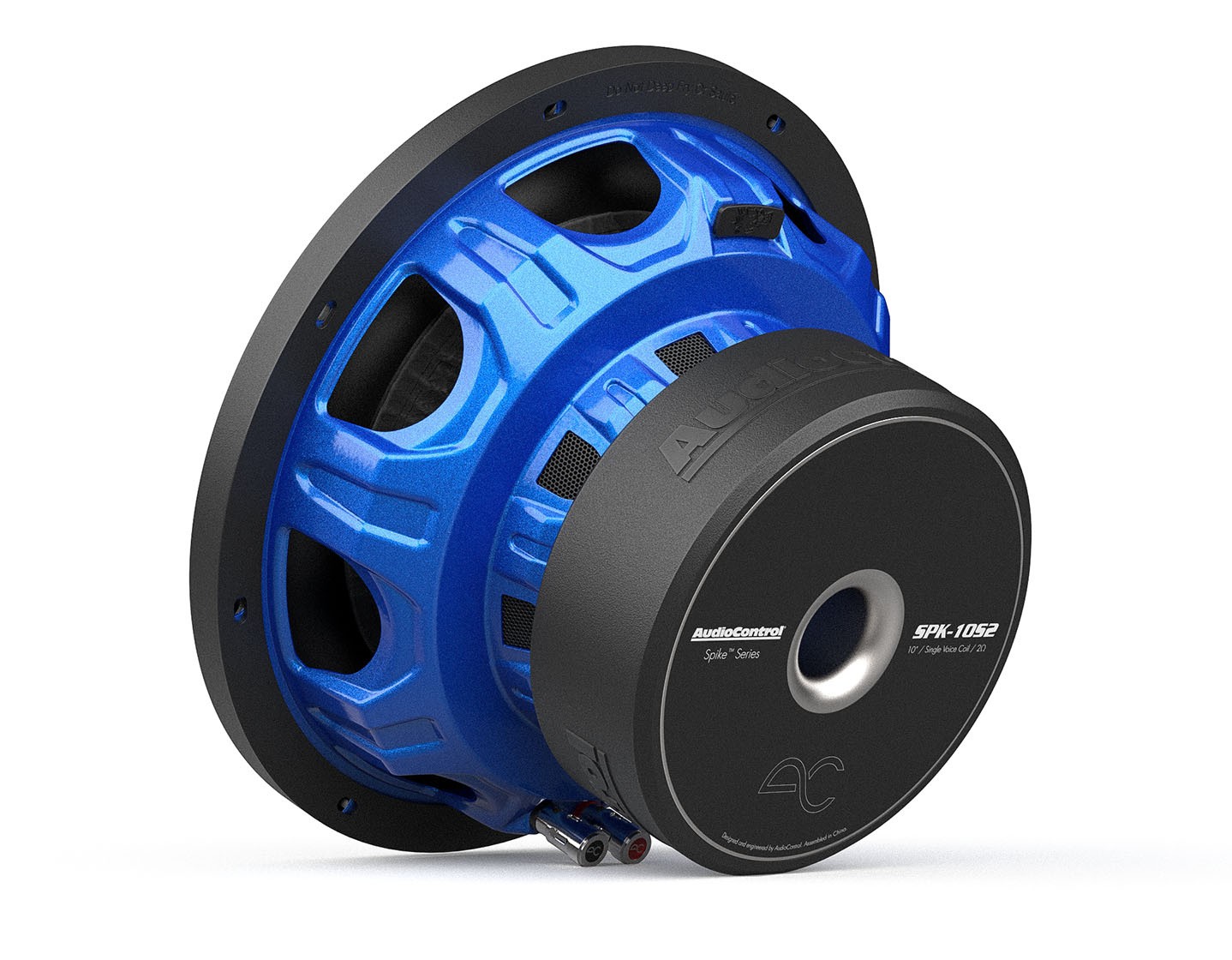
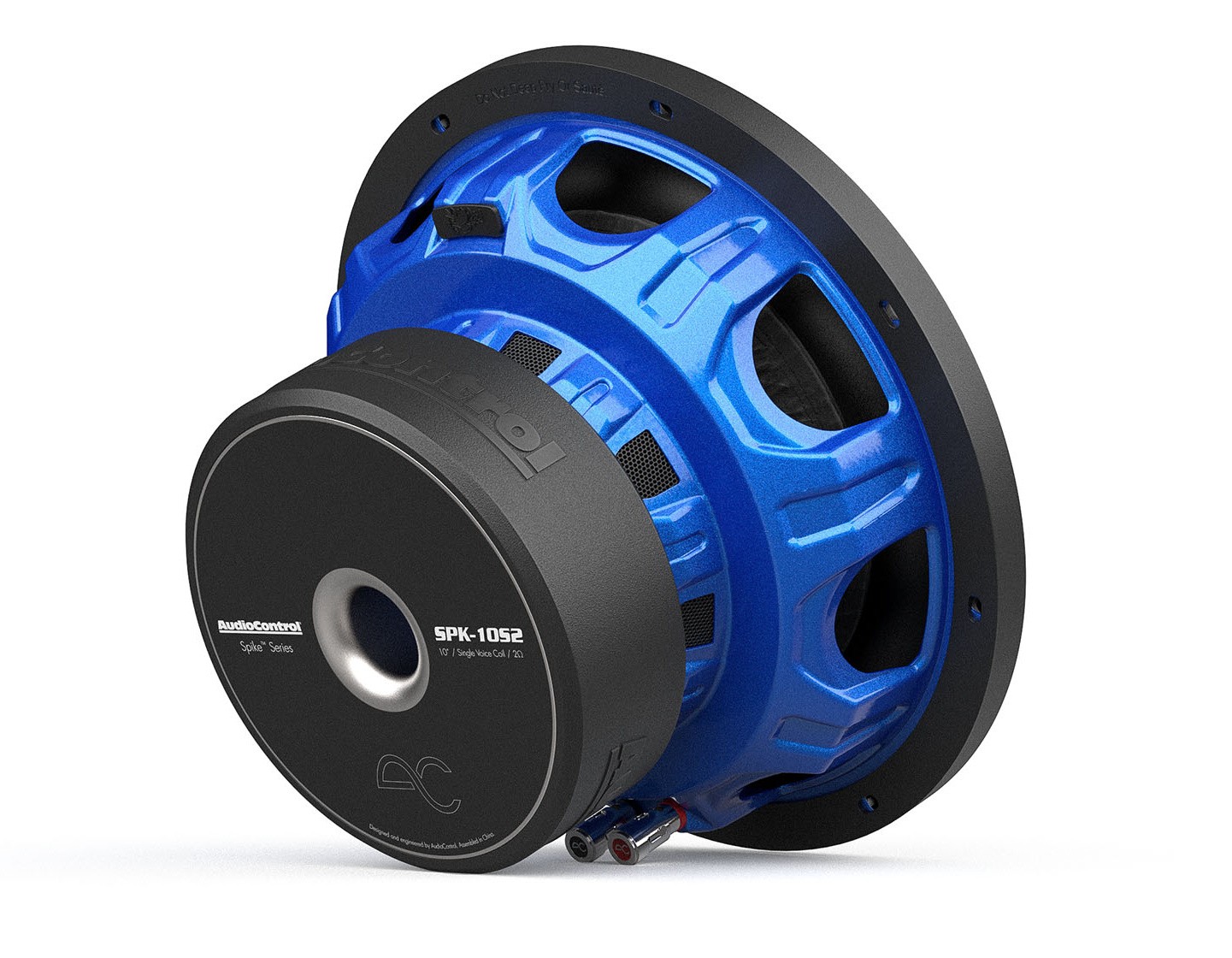
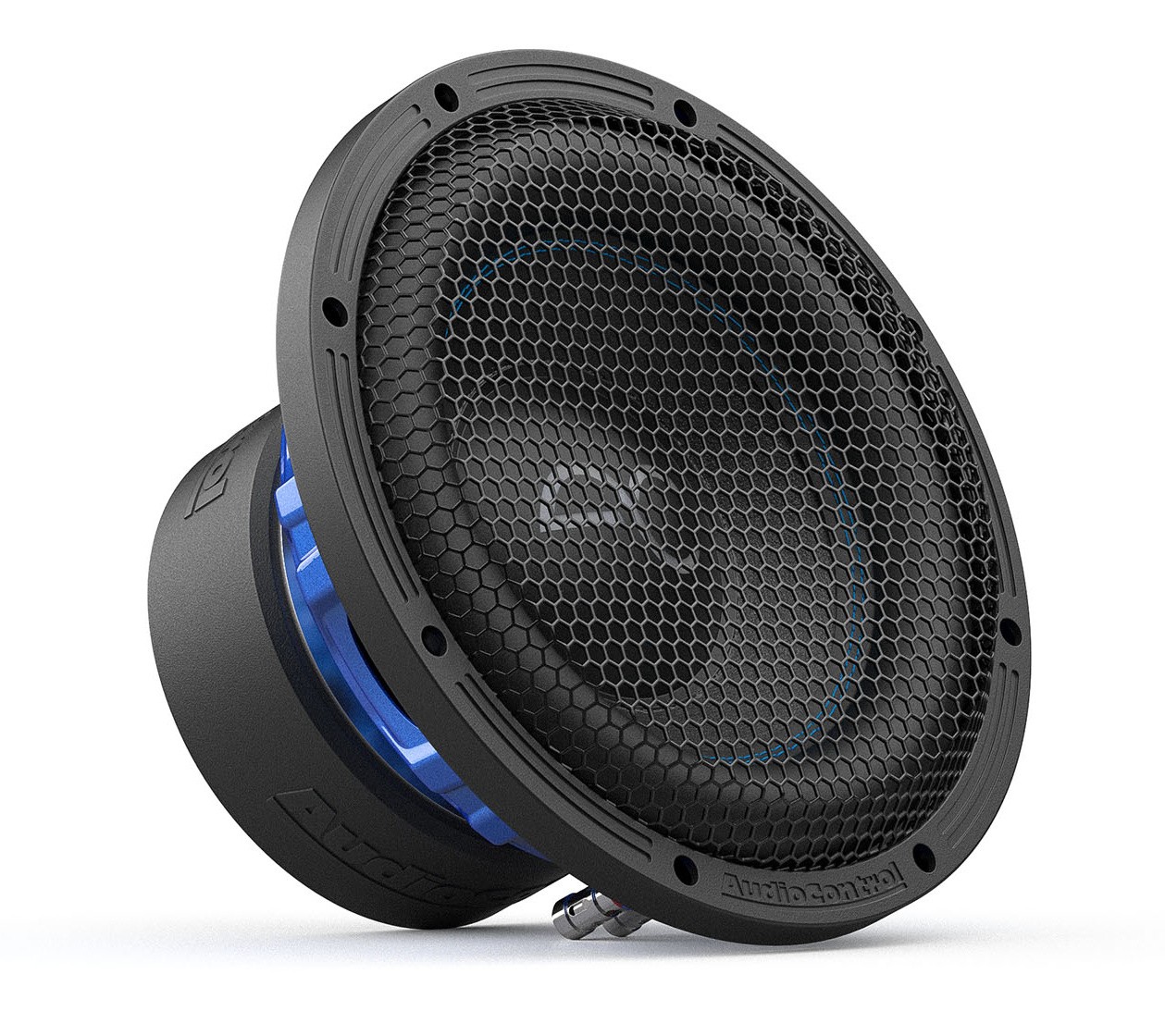
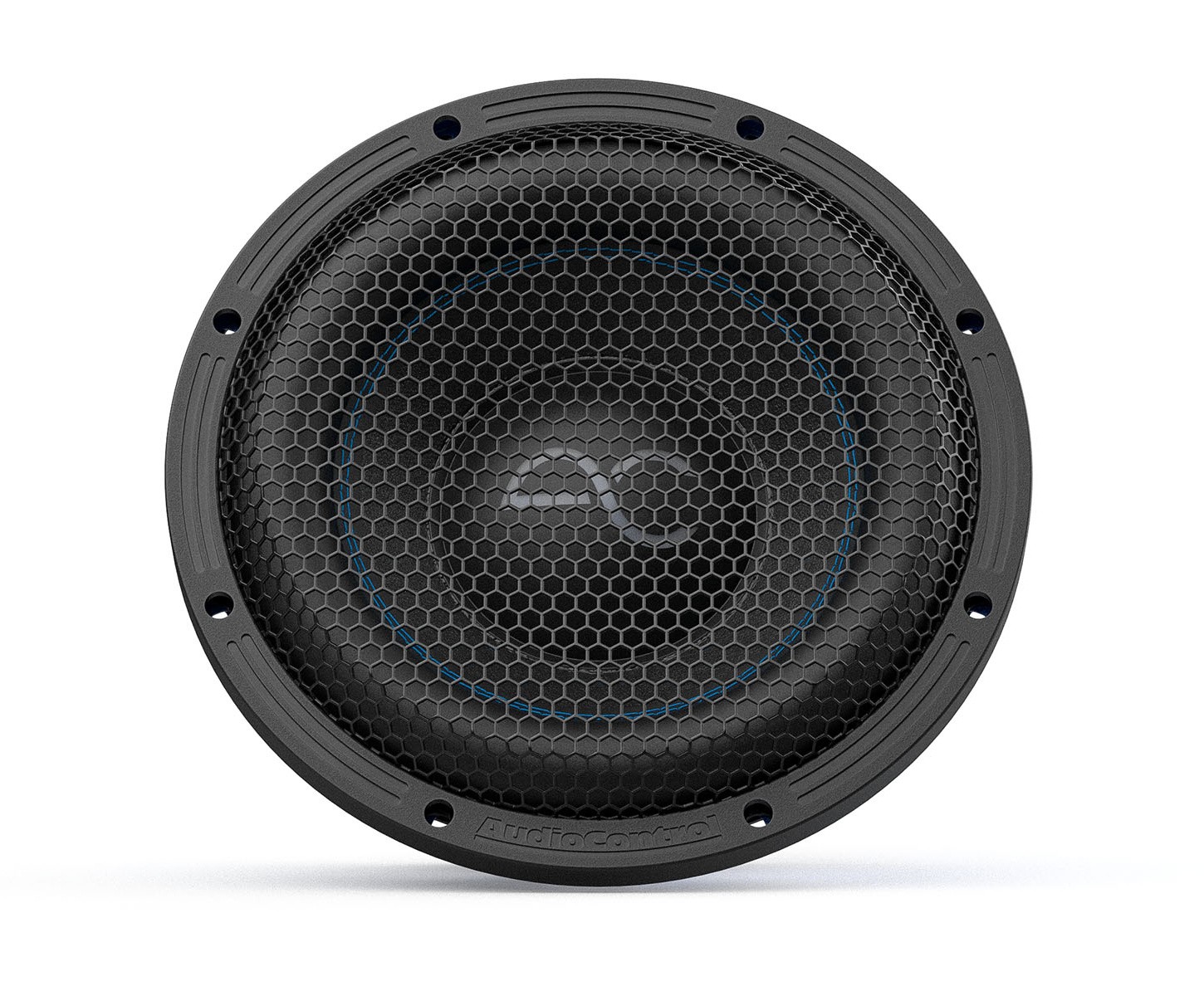
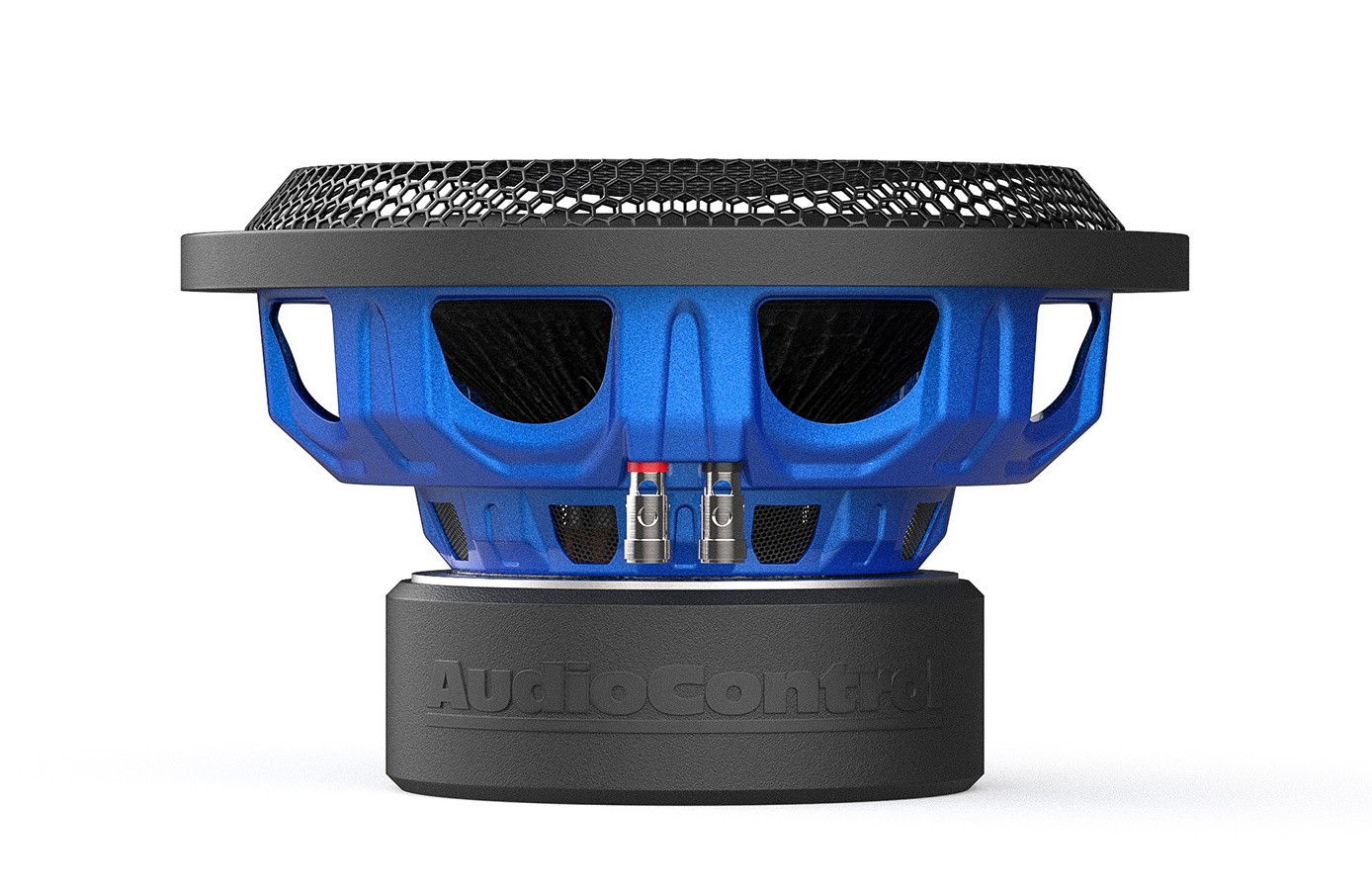
Subwoofer AudioControl SPK-10S4
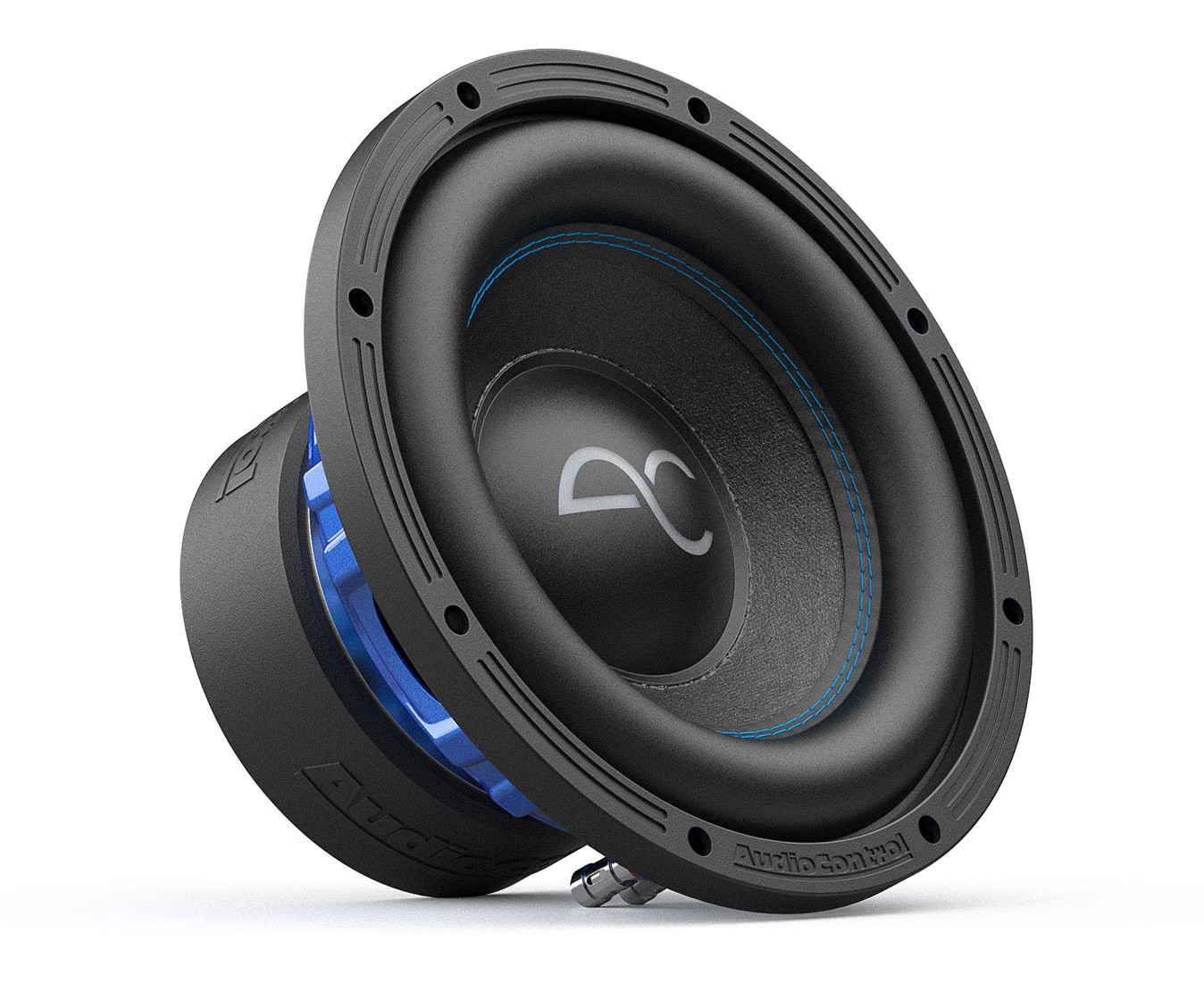
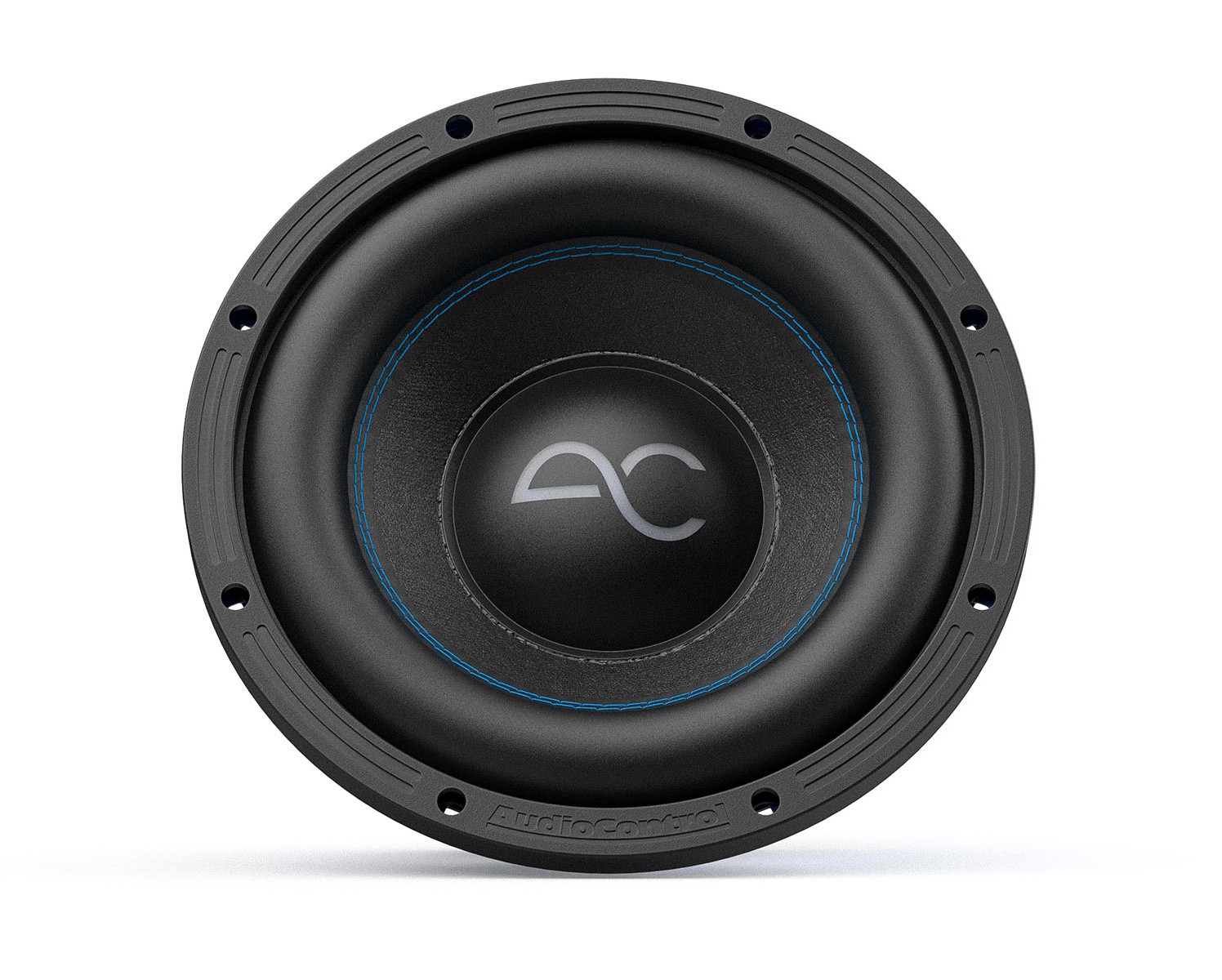
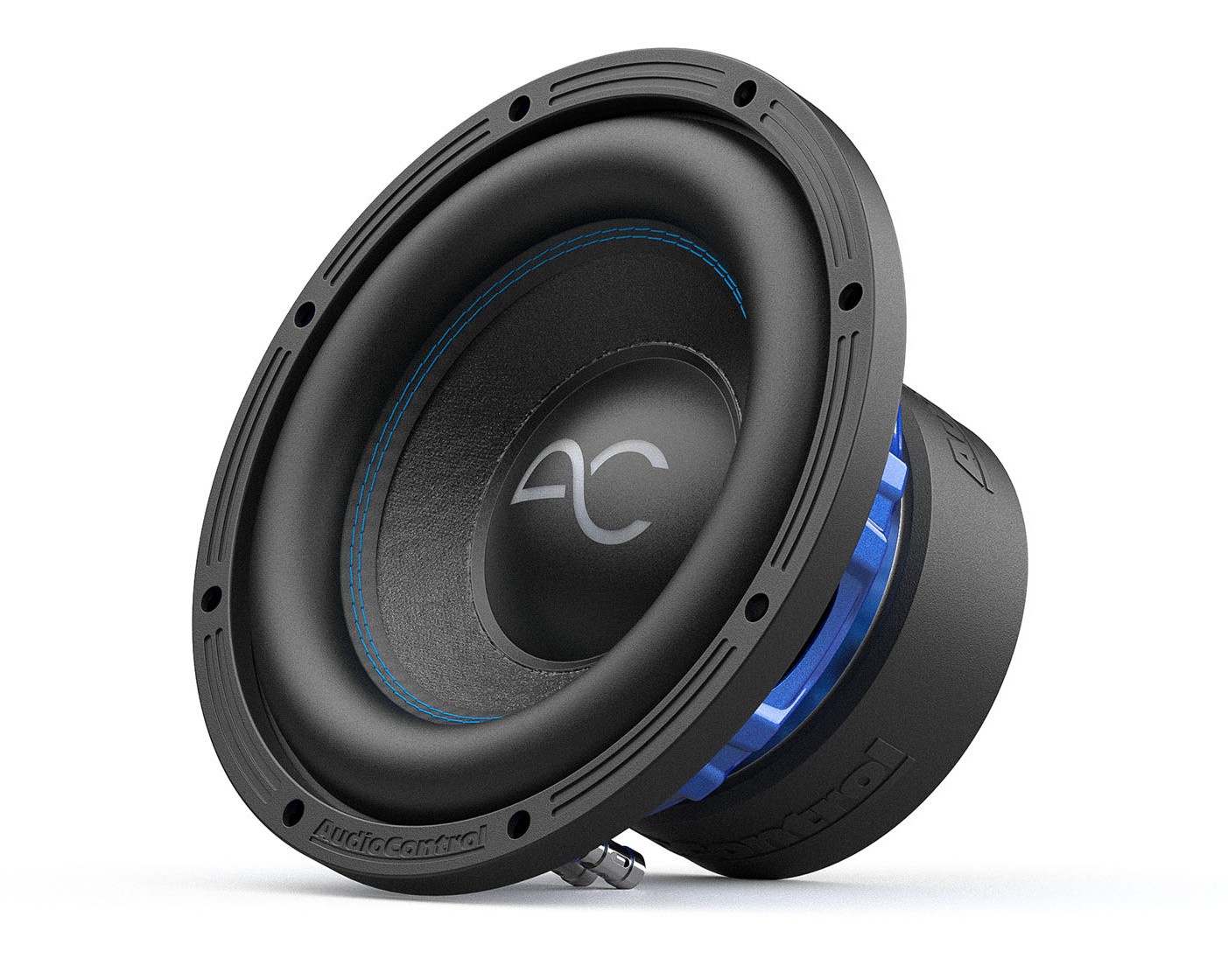
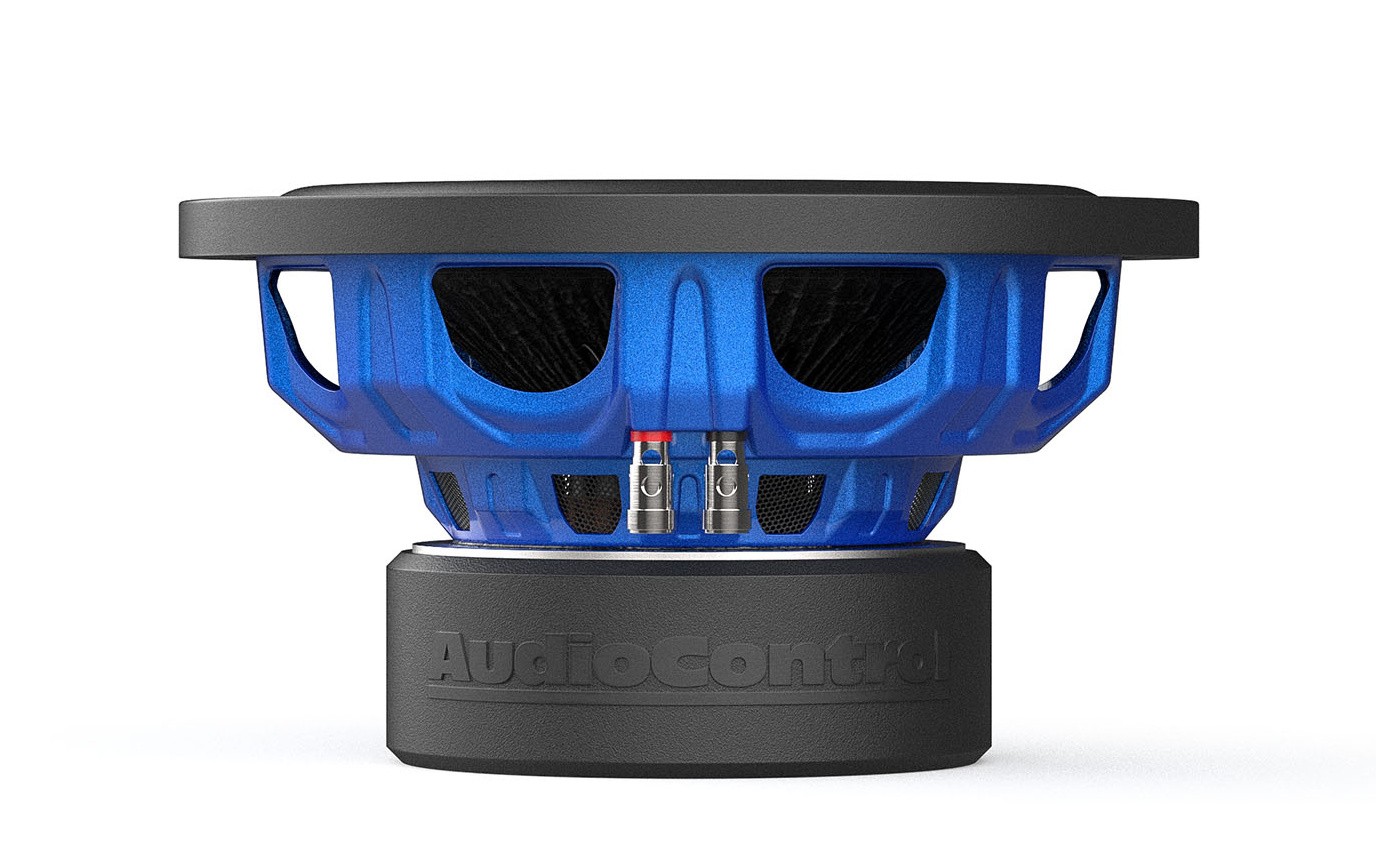
AudioControl introduces a new range of Spike subwoofers that offer maximum versatility, high performance and accurate low frequency delivery. Whatever type of music you listen to, Spike subwoofers will take listening to the next level in your car. These subwoofers have been designed to deliver clean and precise bass for an immersive music experience. At first sight, the robust basket painted in blue metallic color, which reduces resonance and distortion and ensures excellent sound, catches your eye. It includes an in-house designed radially cooled motor to increase the durability of the subwoofer and a three-layer voice coil that can handle serious performance. You can turn up the volume without worry and enjoy powerful bass without distortion. You probably won't believe the sound produced by a paper membrane coated with a layer of mica. The double blue stitching and high excursion of the hinge only emphasize the features of this subwoofer, which also includes a system of double dusters to control the compression of the enclosure ensuring stability for better sound. Every Spike subwoofer comes with a protective grille to protect it from damage, so you can enjoy your ride with peace of mind. Available in 8", 10" and 12" sizes.
Main features of the AudioControl SPK-10S4 subwoofer
- 10" subwoofer with a power of 500 W RMS and a coil with an impedance of 4 Ω.
- High excursion diaphragm design for very low bass.
- Paper diaphragm with mica coating ensures accurate sound.
- Three-layer high-temperature voice coil.
- Double damping system for linear bass reproduction.
- A double system of dust bags to regulate the compression of the baffle.
- Efficient engine design designed for heavy loads.
- Detachable subwoofer grille included.
About the AudioControl brand
As the name suggests, AudioControl has been all about sound control for more than 40 years. Especially in the United States of America, AudioControl is one of the respected and very popular manufacturers not only of sound systems for vehicles, but also for homes. The company's headquarters, including research, development, manufacturing and training facilities, thrive in Mountlake Terrace, Washington, in the heart of the Pacific Northwest rainforest. All products are therefore still designed and proudly manufactured in the USA, which guarantees their high quality and reliability. This is evidenced by the five-year guarantee that AudioControl provides for its products. AudioControl engineers are responsible for several patented technologies that have created a new way to improve sound in the automotive environment. And that's exactly what AudioControl focuses on. In the assortment you will find top digital amplifiers, DSP processors, equalizers, preamplifiers and, above all, a range of products for the implementation of a new sound system on existing factory units. New are high-quality speakers and subwoofers that guarantee excellent sound quality, top processing and high performance. Professional measuring tools are also available, which help to fulfill the main goal of the AudioControl company, which perfectly describes their slogan "Making good sound great".
| Catalog number | SPK-10S4 |
| Brand | Audio control |
| Links | Official web presentation (English) |
| Subwoofer diameterThe diameter of the subwoofer is indicated on the screw holes. The overall outer diameter of the subwoofer is usually 1-2 cm wider, depending on the size category of the subwoofer. For a 30 cm subwoofer, the outer diameter incl. protective rubber 31.8 cm and in the 25 cm subwoofer it is 26.5 cm incl. protective rubbers. | 250 mm (10\") |
| RMS powerThe RMS power of the subwoofer is the constant power of continuous use of the subwoofer. If the power is exceeded for a longer period of time, irreversible damage may occur, or to burn out the voice coil of the subwoofer. | 500 W |
| Sensitivity (SPL 1W/1m)Subwoofer sensitivity or efficiency. The sensitivity of the subwoofer is given in decibels (dB) and, in simple terms, means that the higher the value, the lower the demands on the power of the amplifier. This is a de facto rating of how a subwoofer converts watts to sound. Sensitivity ratings are in noise level measured at 1 meter from the subwoofer using 1 W (watt of power) or using 2.83 volts at the source at 1 meter. A higher decibel level means the subwoofer is louder with less power. For every 3 dB increase in sensitivity, the subwoofer requires half the power to reproduce the same volume. For example, if an 88 dB subwoofer needs 300 watts to produce a certain volume, then a 91 dB subwoofer needs only 150 watts to reach the same efficiency. | 83.7 dB |
| ImpedanceImpedance - measurement of electrical resistance. When buying a subwoofer, it is very important that everyone make sure that the impedance matches the amplifier that you are connecting to it. For subwoofers with a double voice coil, we recommend following the information in the advice center! Example: A 2 Ohm subwoofer cannot be connected to an amplifier that is only stable up to 4 Ohms. A 4 Ohm subwoofer can easily be used on an amplifier that is stable up to 2 Ohms. Connecting a 4 Ohm subwoofer to an amplifier that is stable up to 4 Ohms also without problems. The most common subwoofer impedance is 4 Ohm. | 4 Ω |
| Frequency rangeThe ability of the subwoofer to play a signal from the lowest frequency to the highest, or the ability of a subwoofer to faithfully reproduce sound in a specific frequency band. Subwoofers ideally play from 20 - 150 Hz. Professionally: In the frequency range from 40 to 16,000 Hz, the vast majority of fundamental and overtones (harmonics) of all musical instruments are found. We are interested in the course of the radiated sound pressure in this range of frequencies when the loudspeaker system is supplied with constant power. We call this course the frequency characteristic, which tells us the level of radiated sound pressure in decibels (dB) depending on the frequency. The frequency characteristic of a speaker or speaker system can be expressed most succinctly with a graph. Mostly, however, the frequency characteristic is indicated by indicating the maximum tolerance of the sound pressure in the given frequency range, e.g. 50 to 15,000 Hz -+ 6 dB. Since the frequency characteristics of loudspeakers and systems in general are quite uneven, some manufacturers do not even indicate this maximum tolerance of sound pressure in decibels in their catalogs for tactical reasons. Data impoverished in this way is unfortunately worthless. What is valid is that the manufacturer offers a speaker system with a frequency range of 30 to 20,000 Hz, if he is worried about stating the maximum unevenness of the sound pressure in this range, because he can have a tolerance of, for example, +- 20 dB. The unevenness or undulation of the frequency curve in good speaker systems for high-quality music performance should not exceed +-3 dB in the 80 to 12,000 Hz band and +-6 dB in the 40 to 16,000 Hz band. Greater unevenness already depletes or emphasizes certain tonal areas, which can cause audible or even disturbing distortion. The proportion between fundamental tones and higher harmonics also changes, thereby changing the color of the sound, and individual musical instruments as well as the entire musical image sound unnatural. | 20 - 200 Hz |
| Subwoofer diaphragm materialThe specific material from which the subwoofer membrane is made. | Mica-coated paper |
| Subwoofer mounting depthThe mounting depth of the subwoofer is measured from the bottom edge of the magnet to the bottom edge of the subwoofer's metal or cast basket. | 109 mm |
| Recommended enclosure volumeThe closed enclosure is characterized by a simple construction. Closed enclosures are usually smaller than bass-reflex enclosures, and a special damping fleece is used for their damping. A closed baffle has the advantage of preventing an acoustic short between the front and back radiation of the subwoofer diaphragm. The disadvantage is that the closed enclosure raises the natural resonance frequency of the used subwoofer and thereby also increases the lower limit frequency. This is because the back side of the diaphragm is forced to compress and dilute the air inside the enclosure when the subwoofer is radiating in a closed enclosure. This adds to the inherent stiffness of the subwoofer's oscillation system the stiffness of the air in the closed enclosure. This causes an increase in the stiffness of the oscillating system and thus an increase in the resonant frequency of the entire system: subwoofer -> loudspeaker. The increase in resonant frequency for a given subwoofer is greater, the smaller the volume of air in the closed enclosure. The relatively small volume of air in the closed enclosure acts on the subwoofer as an acoustic spring when radiating the back side of the membrane into the enclosed enclosure. USE: Mainly for quality bass listening in the entire band with an emphasis on detail and accurate reproduction in the lower band. Pros and cons: + pure reproduction + small closets + easier tuning - low level of efficiency in deep bass - loudness only at the cost of enormous deflection of the membrane - a significant acoustic pressure cannot be expected | Minimum 21.2 l, optimal 25.4 l |
| Recommended bass reflex speaker volumeA bass reflex enclosure is designed in the same way as a closed enclosure, but it also has a so-called bass reflex mouthpiece, or "bass reflex" or slot. Needle foam is used to dampen bass reflex enclosures. USE: The ideal use is in cases where the listener wants to achieve a high volume and a good sound pressure level. It is the best compromise between sound quality and performance and is also the most commonly used Pros and cons: + good efficiency in deep bass + a small deflection of the membrane is enough for a large volume - reproduction less accurate than with closed enclosures | Minimum 21.2 l, optimal 28.3 l |
| Subwoofer voice coil diameterThe larger the diameter of the voice coil, the more load capacity the subwoofer has, in layman's terms. | 63.5 mm (2.5\") |
| Fs - resonant frequencyFs - is the lower resonant frequency. This parameter is the de facto free air resonant frequency of the subwoofer. Simply put, it is the point at which the weight of the subwoofer's moving parts equals the force of the subwoofer's suspension while it is in motion. If you've ever seen a piece of string start to hum uncontrollably in the wind, you've seen the effect of reaching a resonant frequency. The weight of the moving parts and the stiffness of the suspension (surround and spider) are key elements that affect the resonant frequency. As a general rule, a lower Fs indicates a subwoofer that would be better at reproducing low frequencies than a subwoofer with a higher Fs. However, this is not always the case, as other important parameters of the subwoofer also enter the resulting sound. | 41.2638 Hz |
| Xmax + -Xmax - the maximum deflection of the subwoofer diaphragm in one direction – it is not a sum, or an abbreviation for the maximum linear deflection. The subwoofer output becomes non-linear as the voice coil begins to leave the magnetic gap. | 14 mm |