Renegade RX6.2C MK2 speakers
More about the product
- You can return the goods to us within 14 days
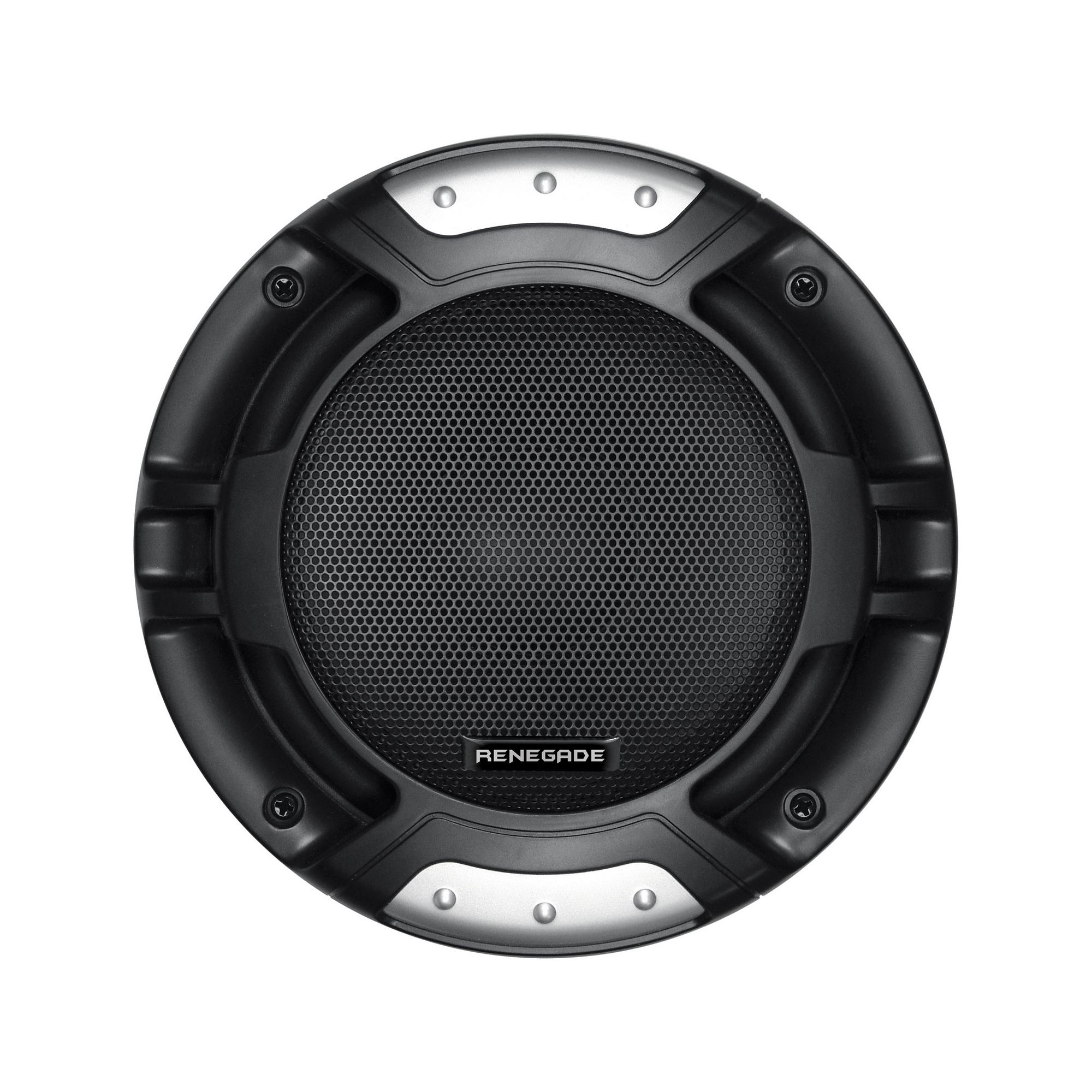
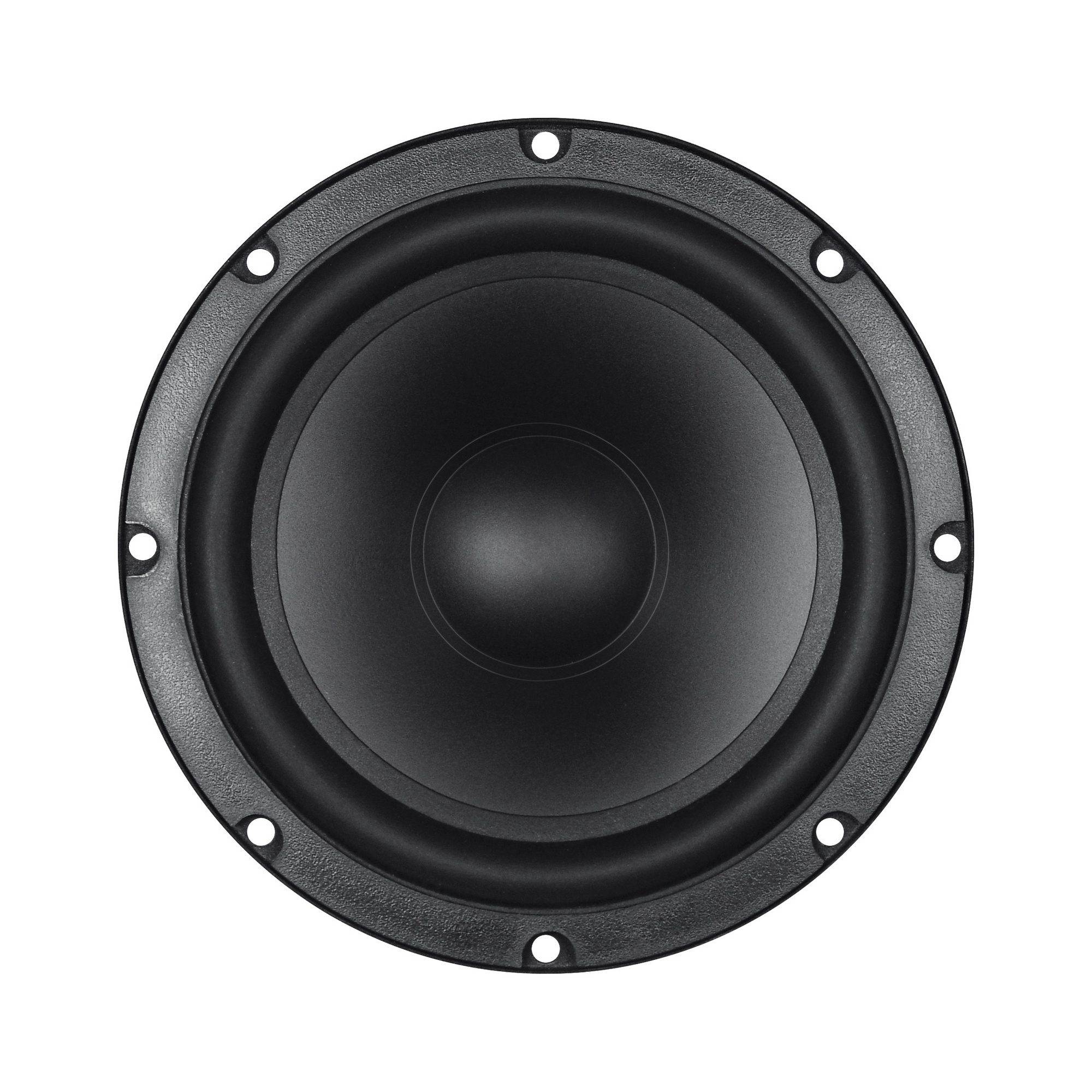
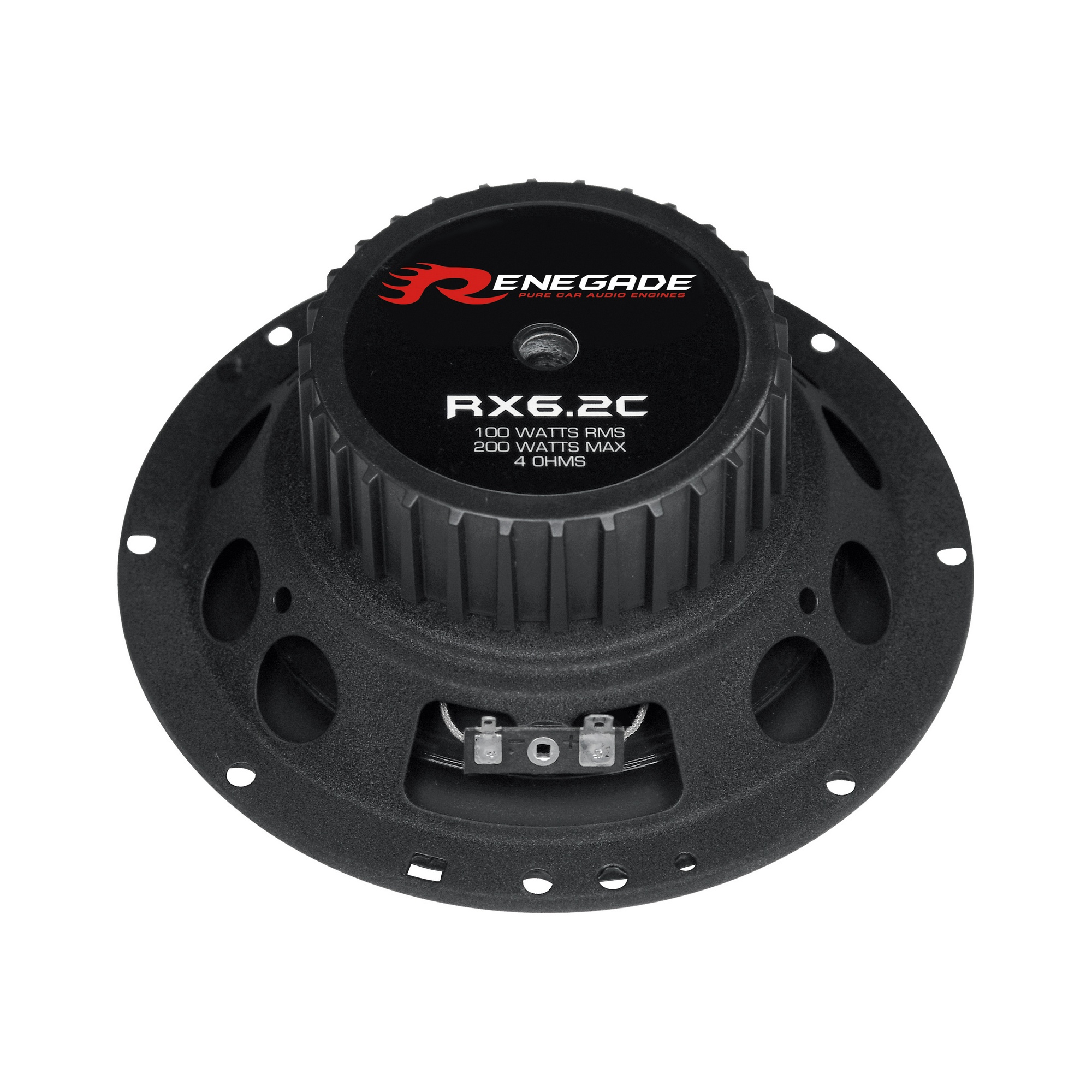
Renegade RX6.2C Speakers
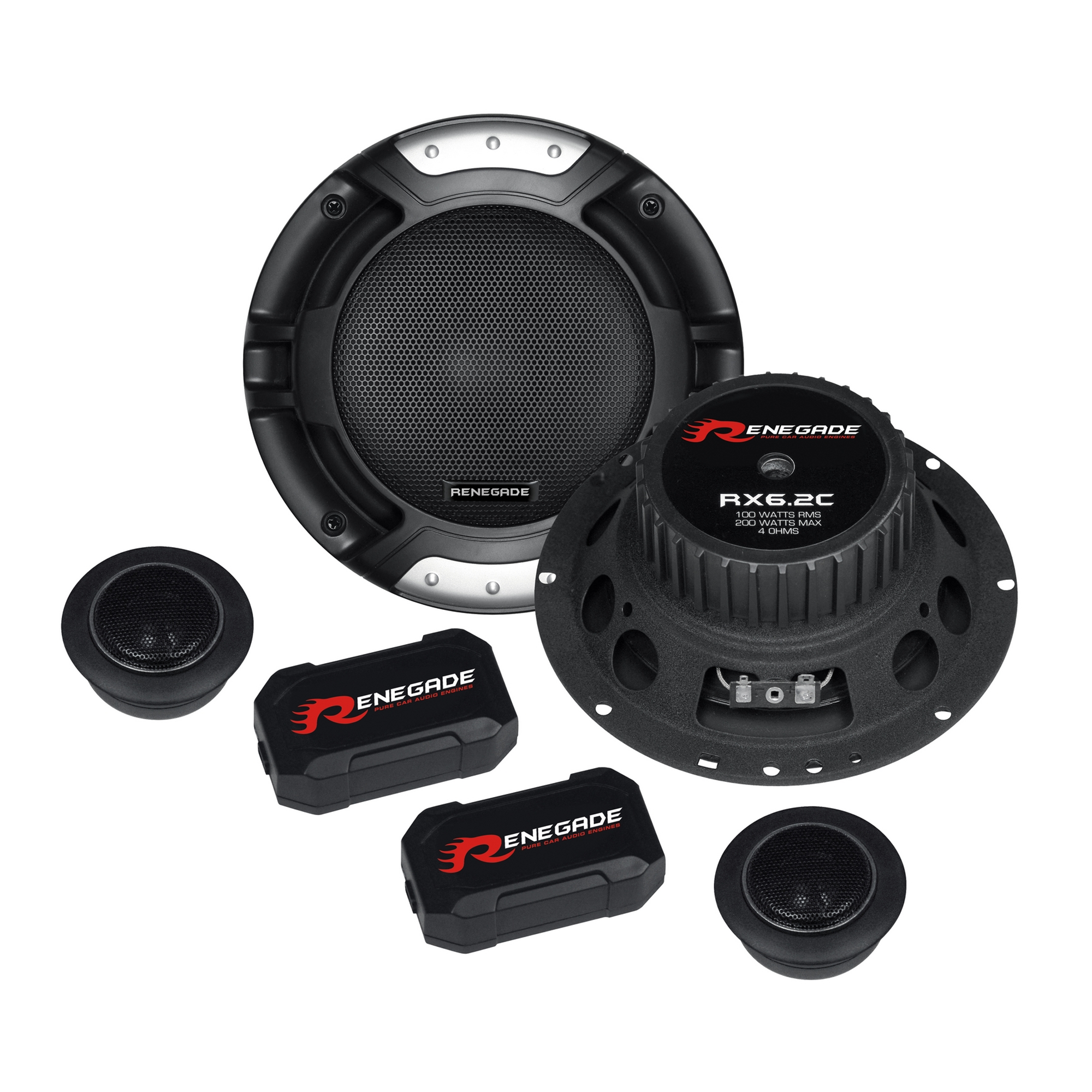
Renegade RX6.2C are 2-way component speakers (165 mm / 6.5") that bring clean, dynamic and easily readable sound to your car. With separate midbass drivers and high-frequency tweeters, the RX6.2C delivers detailed midrange and treble reproduction with a solid bass foundation even at higher volumes. With 100 W RMS / 200 W max. power and 4 Ω impedance, this component set is compatible with most head units and amplifiers and offers reliable sound quality at a very affordable price. RX6.2C is an ideal choice for anyone wanting to upgrade their car audio, whether replacing factory speakers or building a custom system. The combination of polypropylene cones, robust steel baskets and neodymium tweeters with silk domes ensures reliability and long-term performance even under frequent use.
Main features
- 2-way component system (2 x 165 mm + 2 x 20 mm) - separate drivers for mid and high frequencies ensure clean, detailed sound.
- Power 100 W RMS / 200 W max. - enough power for normal and louder listening.
- Impedance 4 Ω - compatible with most head units and aftermarket amplifiers.
- Frequency range 60 Hz - 20 kHz - wide coverage for quality music reproduction.
- Quality materials and construction - polypropylene cone, robust steel basket and durable components ensure long life.
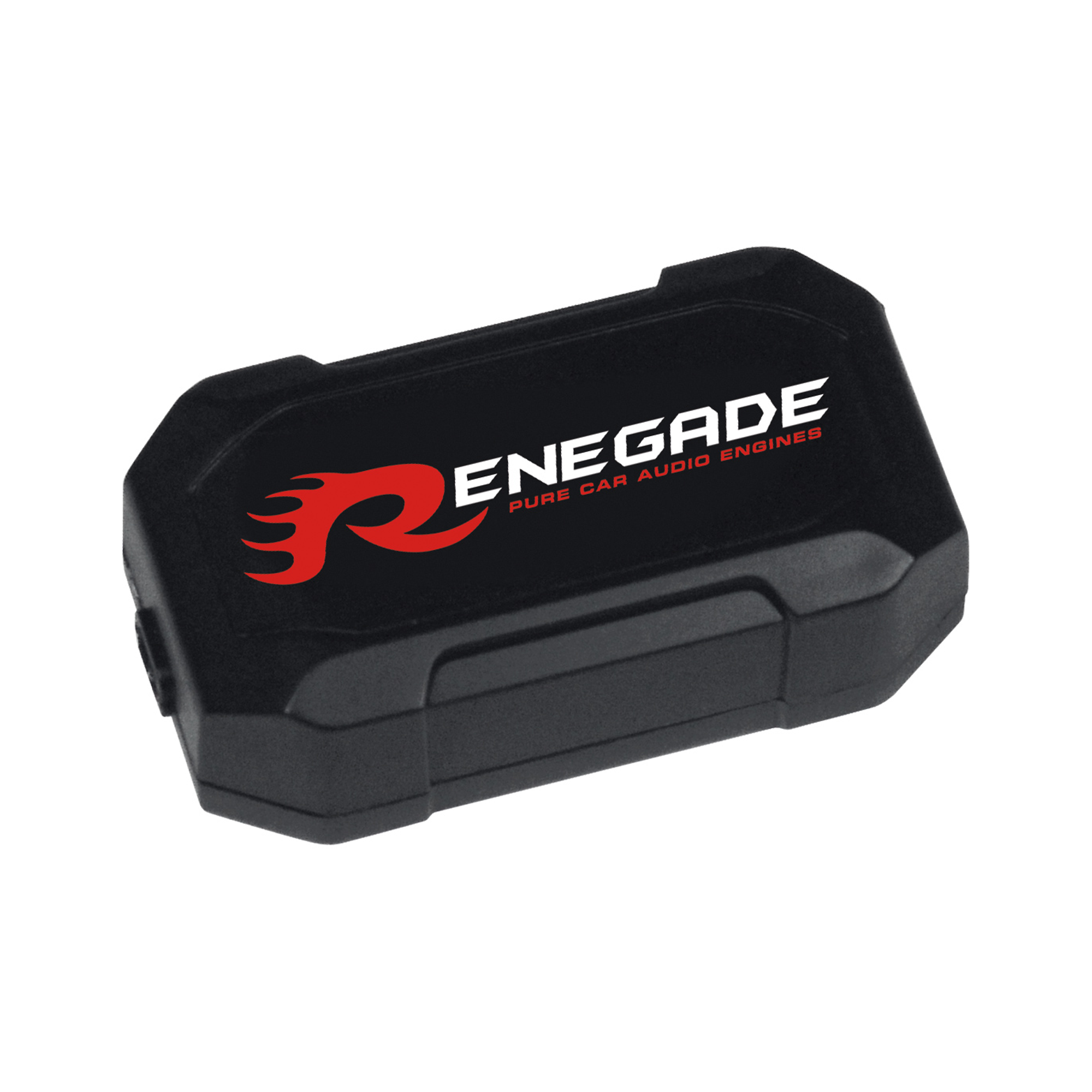
- Complete kit with tweeters and crossovers - optimized sound separation and easy integration into the audio system.
- Compact mounting depth 57 mm and diameter 143 mm - suitable for standard cutouts in cars without major modifications.
How to use / Recommendations
- Renegade RX6.2C speakers can be installed as a component system into front or rear doors, rear parcel shelf or other standard positions designed for 165 mm (6.5") speaker units.
- Because of the separate tweeters, it’s best to plan the tweeter placement so they point toward the listener’s ears to maximize detail and sound depth.
- When connecting, observe correct polarity (+/–) and use appropriate wiring.
- In component systems with external crossovers, ensure correct wiring of woofers and tweeters through the supplied frequency filters.
- After installation, we recommend tuning the speakers via an amplifier or head unit (level settings and possibly EQ) so the sound matches your preferences and music type.
About the brand
Renegade Audio is an established German car audio brand focused primarily on the entry-level segment and long enjoyed by customers thanks to an excellent price-to-performance ratio. It offers amplifiers, subwoofers, speakers and accessories aimed at a first or budget-friendly upgrade of a car’s original audio system. Renegade products are designed with emphasis on simplicity, functionality and reliable operation, providing a noticeable sound improvement without requiring a large investment. Renegade Audio is an ideal choice for anyone looking for honest car-audio solutions and wanting a lot of music for reasonable money.
| Catalog number | RX6.2C |
| Brand | Renegade |
| Links | Official web presentation |
| Speaker typeCoaxial speakers: Coaxial speakers are characterized by a so-called all-in-one design. The tweeter and mid-bass speaker are in one basket. The advantage is simpler assembly, but thanks to the connection or proximity of the bands in one speaker, the sound quality will usually be reduced. As a rule, in the middle of the mid-bass speaker, there is a tweeter whose voice coil works in the second air gap of the common magnetic circuit. The three-way coaxial speaker consists of a mid-bass speaker, a center speaker and a separate tweeter in the front on a special beam. Component Speakers: Component speakers are characterized by a division into individual frequency bands, treble + mid-bass + or. bass band. The individual speakers can be placed completely separately, which results in a better sound and acoustic performance. In the vast majority of cases of component speakers, an external crossover is also supplied, which divides the treble, middle / mid-bass, and into the three-band the bass band or allows setting the decibel level of the tweeter (e.g. +2 dB, 0 dB, -2 dB), steepness (e.g. 6dB/Oct. 12dB/Oct.) or active or bi-amp connection. | Component 2 band |
| RMS powerRMS speaker power is the constant power of the entire system, not just one speaker or one side. This is also the performance of continuous use of the speakers. If the RMS power is exceeded for a long time, the speakers may be irreversibly damaged! | 100W |
| Max. (maximum performancePeak performance , which the speaker can play for a moment (approx. 0.5 s), for example when hitting drums in a song. If the max power is exceeded, the speakers will usually be damaged! | 200 W |
| ImpedanceImpedance - measurement of electrical resistance. When buying speakers, it is important to make sure that the impedance matches the amplifier or car stereo you are using. Example: A 2 Ohm speaker cannot be connected to an amplifier that is only stable up to 4 Ohms! A 4 Ohm speaker can easily be used with an amplifier that is stable up to 2 Ohms. The most common speaker impedance today is 3 - 4 Ohm. | 4 Ω |
| Frequency rangeThe ability of the speakers to play a signal from the lowest frequency to the highest, or the speaker's ability to faithfully reproduce sound in a specific frequency band. Professionally: In the frequency range from 40 to 16,000 Hz, the vast majority of fundamental and overtones (harmonics) of all musical instruments are found. We are interested in the course of the radiated sound pressure in this range of frequencies when the loudspeaker system is supplied with constant power. We call this course the frequency characteristic, which tells us the level of radiated sound pressure in decibels (dB) depending on the frequency. The frequency characteristic of a speaker or speaker system can be expressed most succinctly with a graph. Mostly, however, the frequency characteristic is indicated by indicating the maximum tolerance of the sound pressure in the given frequency range, e.g. 50 to 15,000 Hz -+ 6 dB. Since the frequency characteristics of loudspeakers and systems in general are quite uneven, some manufacturers do not even specify this maximum tolerance of sound pressure in decibels in their catalogs for reasons of prestige. Data impoverished in this way is unfortunately worthless. What is valid is that the manufacturer offers a speaker system with a frequency range of 30 to 20,000 Hz, if he is worried about stating the maximum unevenness of the sound pressure in this range, because he can have a tolerance of, for example, +- 20 dB. The unevenness or undulation of the frequency curve in good speaker systems for high-quality music performance should not exceed +-3 dB in the 80 to 12,000 Hz band and +-6 dB in the 40 to 16,000 Hz band. Greater unevenness already depletes or emphasizes certain tonal areas, which can cause audible or even disturbing distortion. The proportion between fundamental tones and higher harmonics also changes, thereby changing the color of the sound, and individual musical instruments as well as the entire musical image sound unnatural. | 60 - 20,000 Hz |
| The diameter of the mid-bass speakerWe state the diameter of the speaker as the diameter of the entire speaker, not including the mounts, when smaller speakers (87, 100, 130 mm) have extra mounts. Some speakers are oval and there the dimension is given in inches, always the shortest side to the longest side. One inch is approx. 2.5 cm. | 165 mm |
| Installation depth of the mid-bass speakerThe installation depth of the speaker is measured from the bottom edge of the magnet to the bottom edge of the tin, plastic or cast speaker basket, or speaker bearing surfaces. | 57 mm |
| Mid-woofer diaphragm materialThe material that was used for the speaker diaphragm. Don't be afraid of the paper, it surprisingly has a very natural and high-quality sound and, thanks to the surface treatment, it can withstand moisture without any problems. | Polypropylene |
| Tweeter dome materialThe shell material that was used in the manufacture of the tweeter. | Silk |
| Frequency crossover included in the packageThe crossover is an important part of defacto all loudspeakers. A crossover usually contains different resistor values, coil sizes, and capacitor types that fundamentally modify the sound. We describe below what the turnouts are for. Component Speakers: A crossover is part of every quality component speaker system. Its task is to ensure the distribution of frequencies that the amplifier produces in the entire acoustic spectrum of frequencies so that each of the speakers receives only that part of the band that it can optimally play in terms of efficiency and minimal distortion. Coaxial speakers: In most cases, coaxial loudspeakers have a simple crossover (6dB/Oct.) formed by a capacitor at the tweeter. | Yes |
| Options for setting the frequency crossoverThe unwritten rule is that the more expensive the speakers, the more options the crossover has for adjusting the sound. The most common way to adjust the crossover is attenuation on the tweeter. More advanced crossovers also offer the option of setting the steepness on the mid-bass and tweeter or adjusting the frequency range. | No |
| Cover grids included in the packageOriginal cover grilles in speaker packaging. | Yes |
| Price forIf the price is for a pair, the package always includes 2 pieces of everything, e.g. 2x mid-bass, 2x tweeter and 2x crossover. | Few |