Mosconi Gladen PRO 2|30 amplifier
More about the product
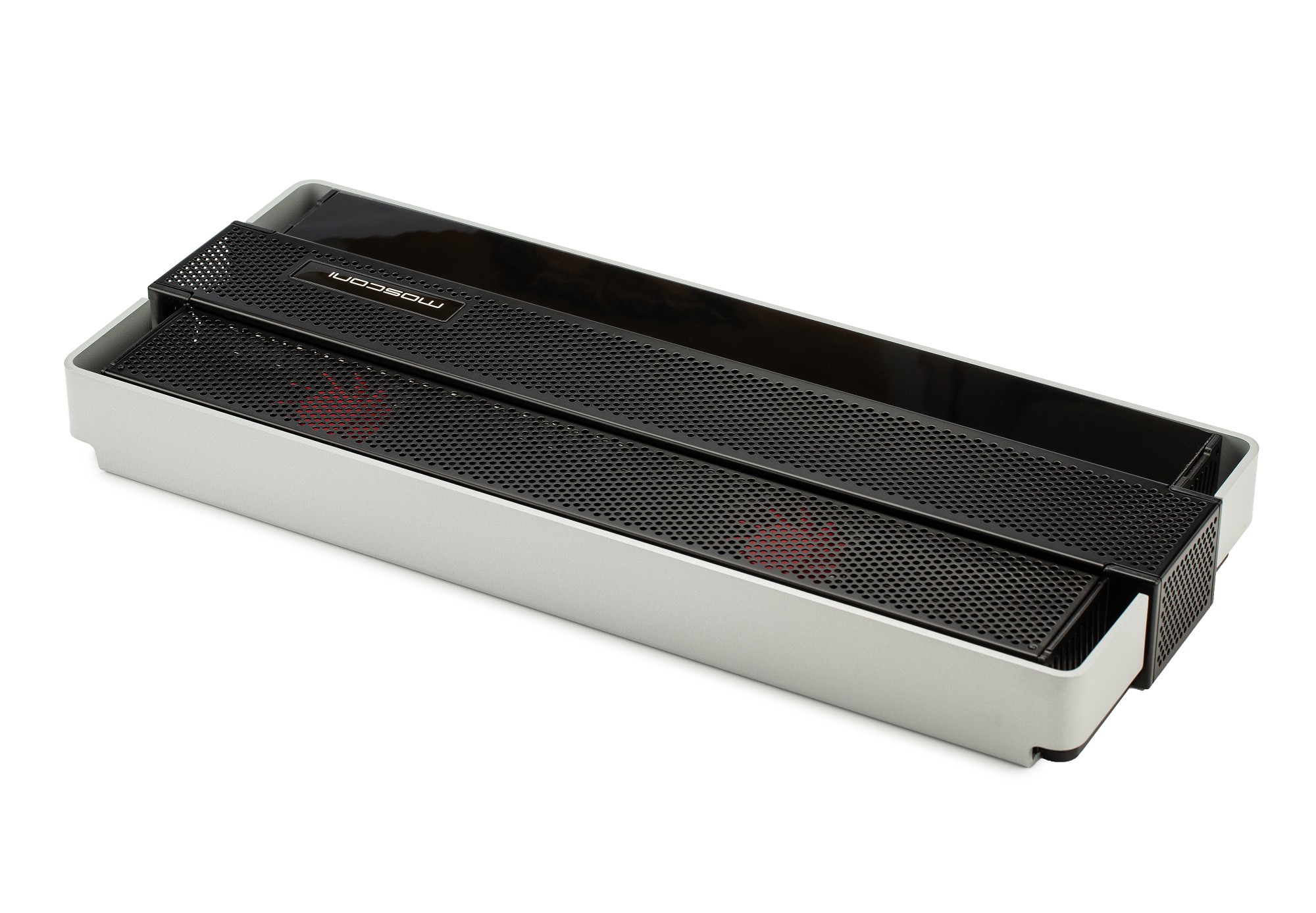
Mosconi Gladen PRO 2|30 Amplifier
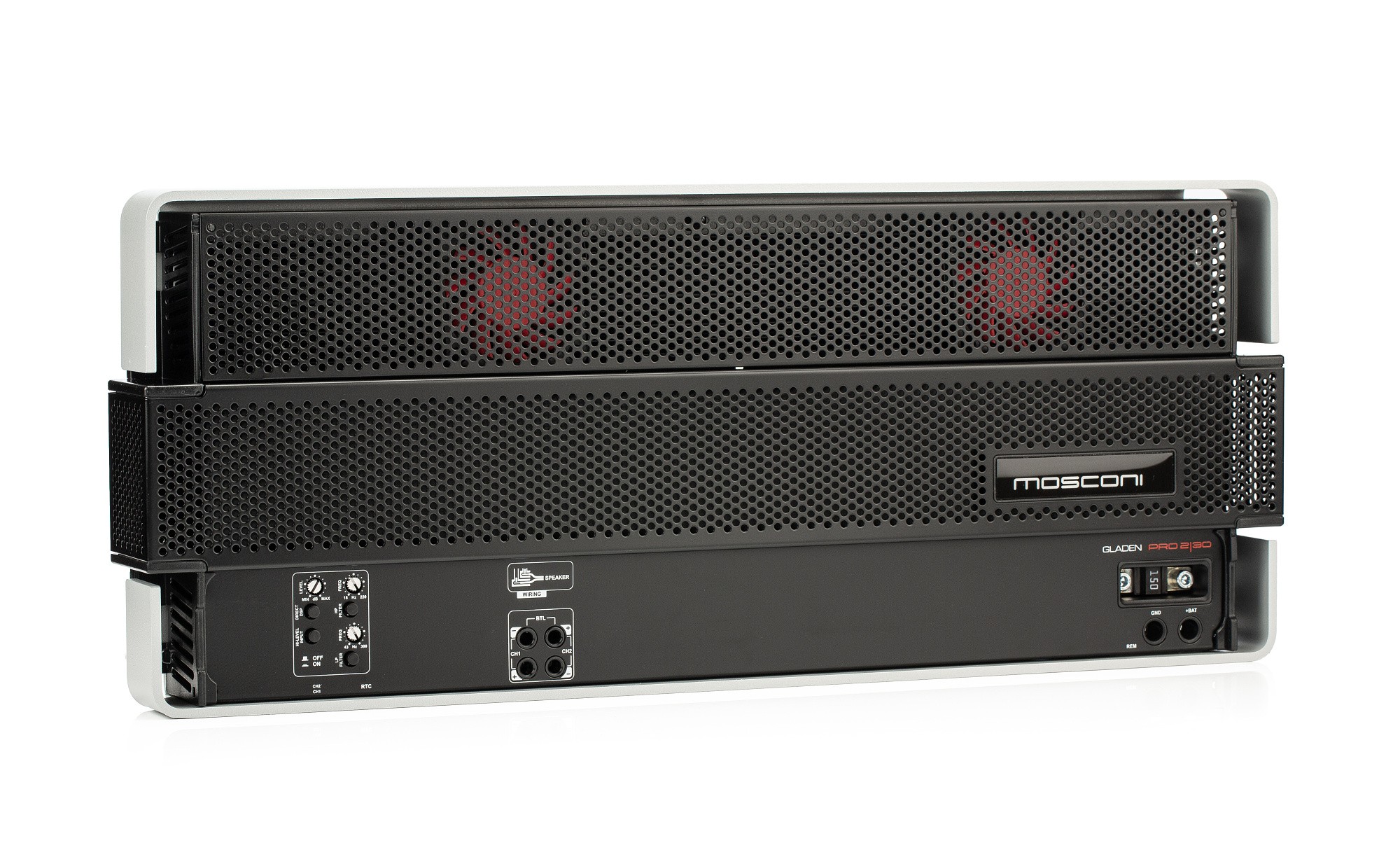
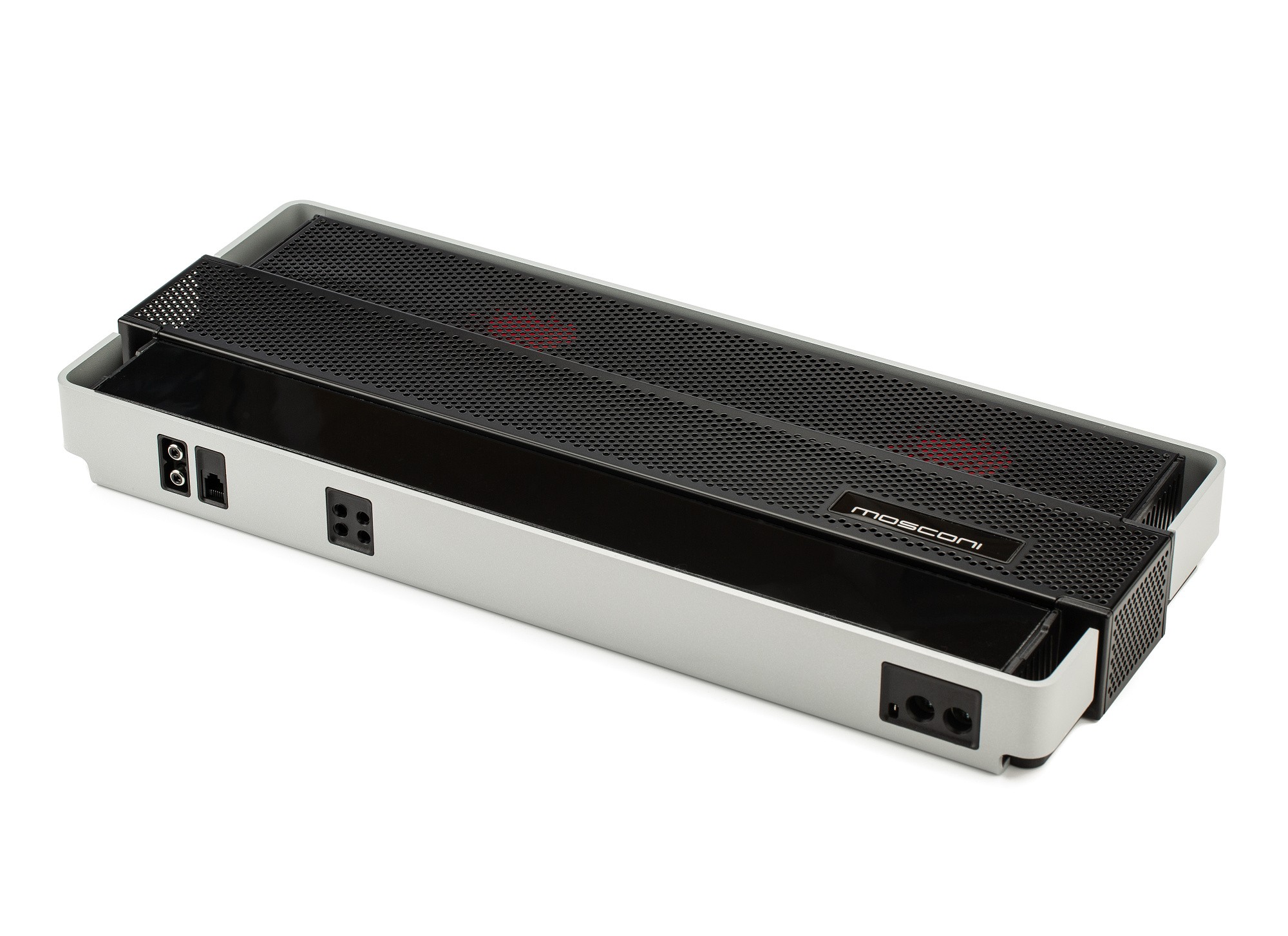
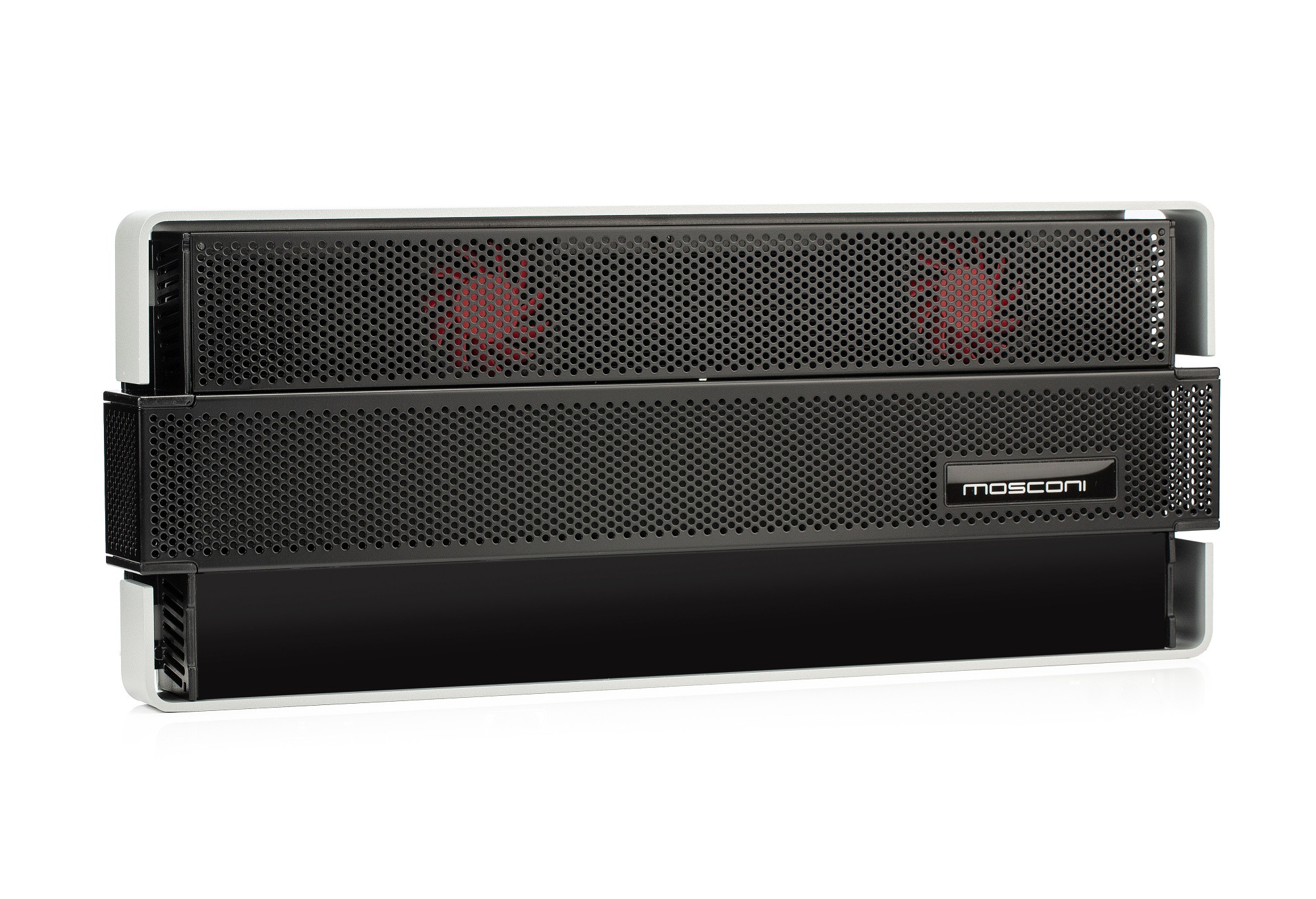
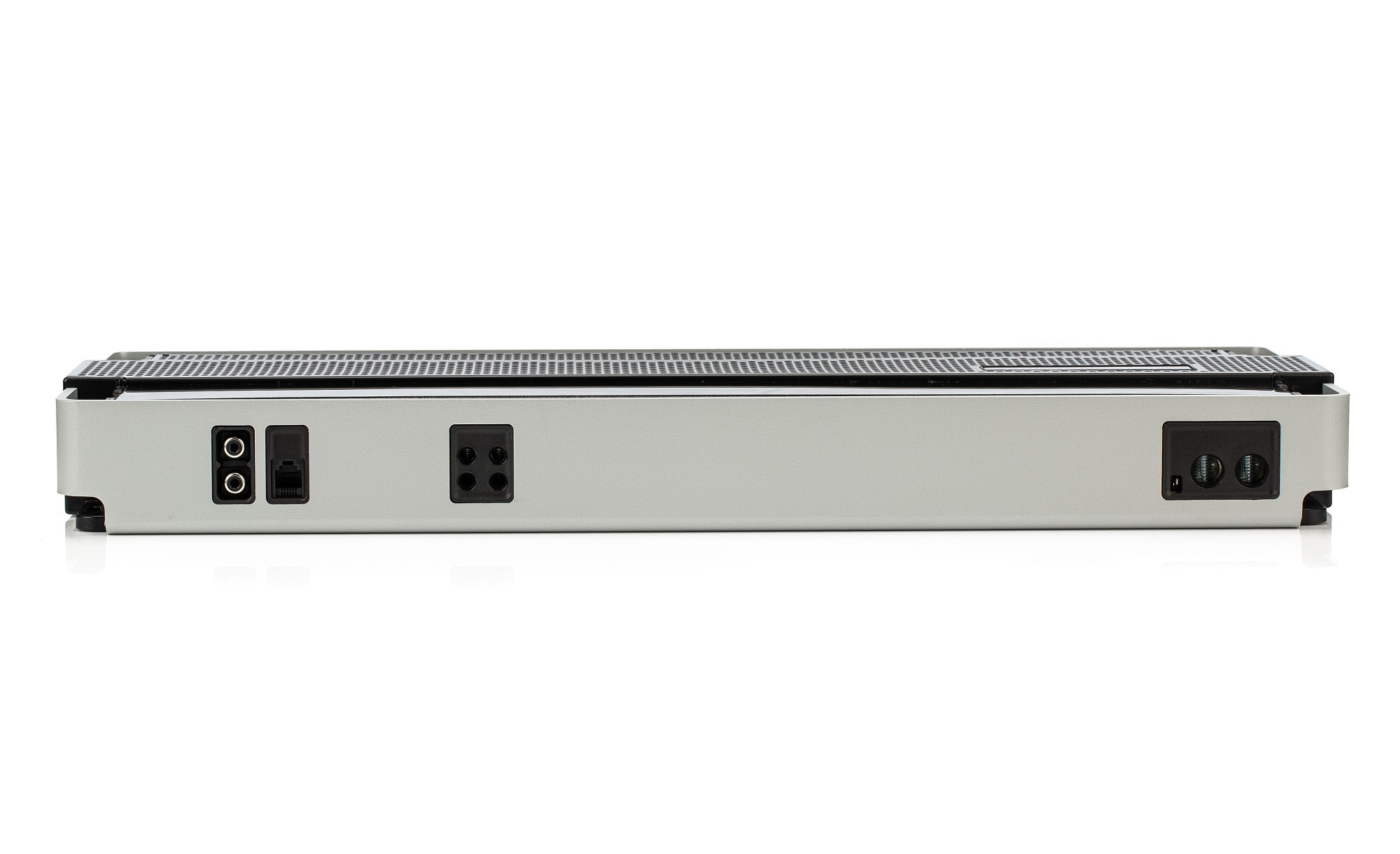
The Mosconi Pro 2|30 amplifier is a two-channel Class D amplifier. It features active crossovers, autosense function, and remote level control, making it highly versatile. The second-highest PRO amplifier series from Mosconi incorporates the latest technologies and top-notch components for the highest sound quality. The PRO series amplifiers are the result of Mosconi engineers' efforts to create true high-end products with ultimate sound quality, nearly matching the highest Zero series. The development goal was nothing less than premium musicality, faithful sound with exceptional performance, and maximum listening pleasure of your favorite music. This is why Mosconi opted for analog Class AB in multi-channel solutions, which still excels with its natural and "warm" sound even in today's digital amplifier era. The range of five analog amplifiers is complemented by a powerful monoblock for top-notch subwoofers. Flexible power distribution, high performance, and excellent sound make the Mosconi PRO series amplifiers optimal partners for active system configurations. Modern design with all controls and connectors on one side and a built-in fan allow for flexible installation even in enclosed spaces.
Main Features of the Mosconi Gladen PRO 2|30 Amplifier
- 2-channel Class D amplifier.
- Extreme power for demanding components.
- Flexible power distribution and microprocessor-controlled temperature management.
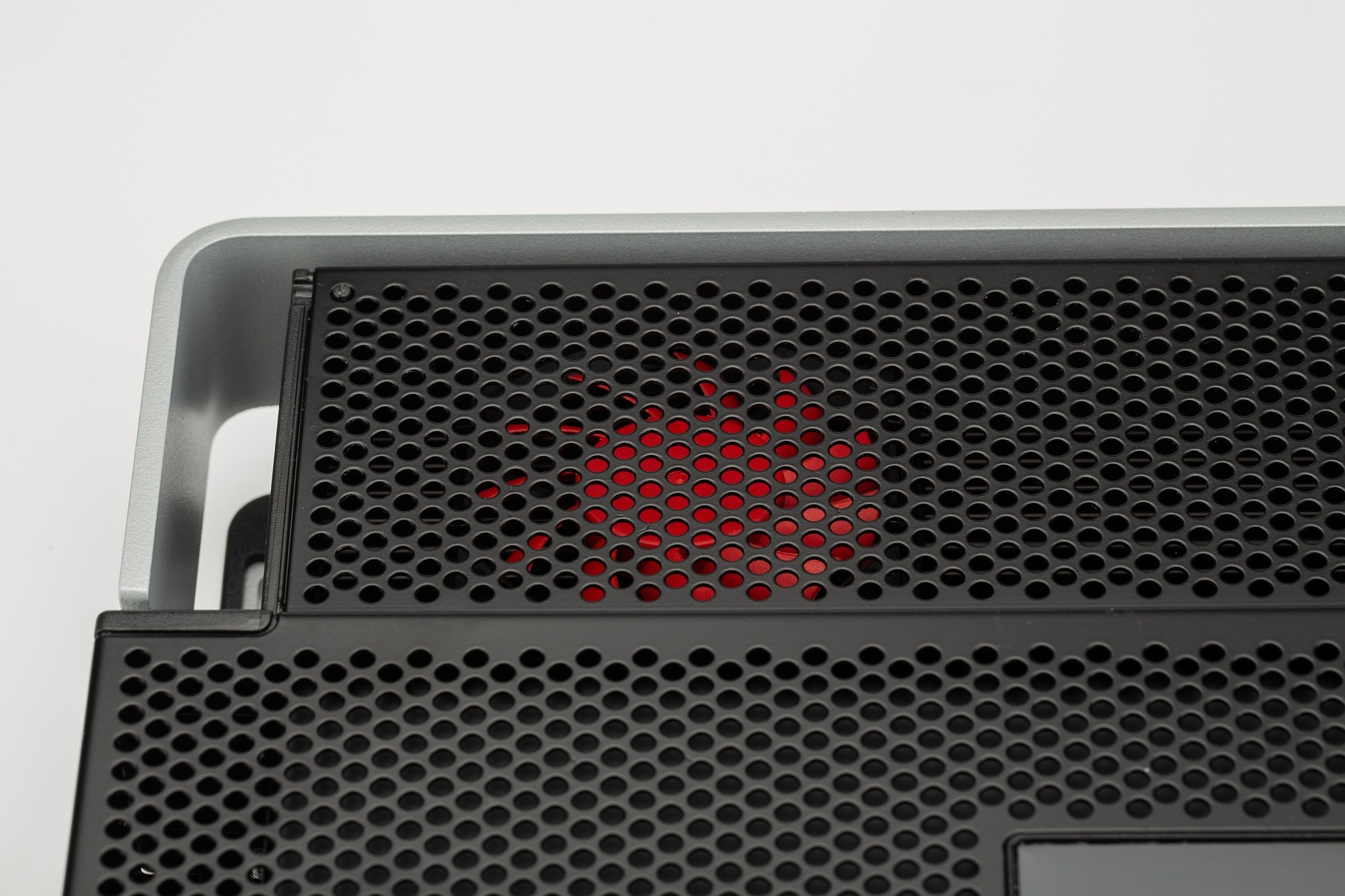
- Integrated fan for optimal cooling even in enclosed spaces.
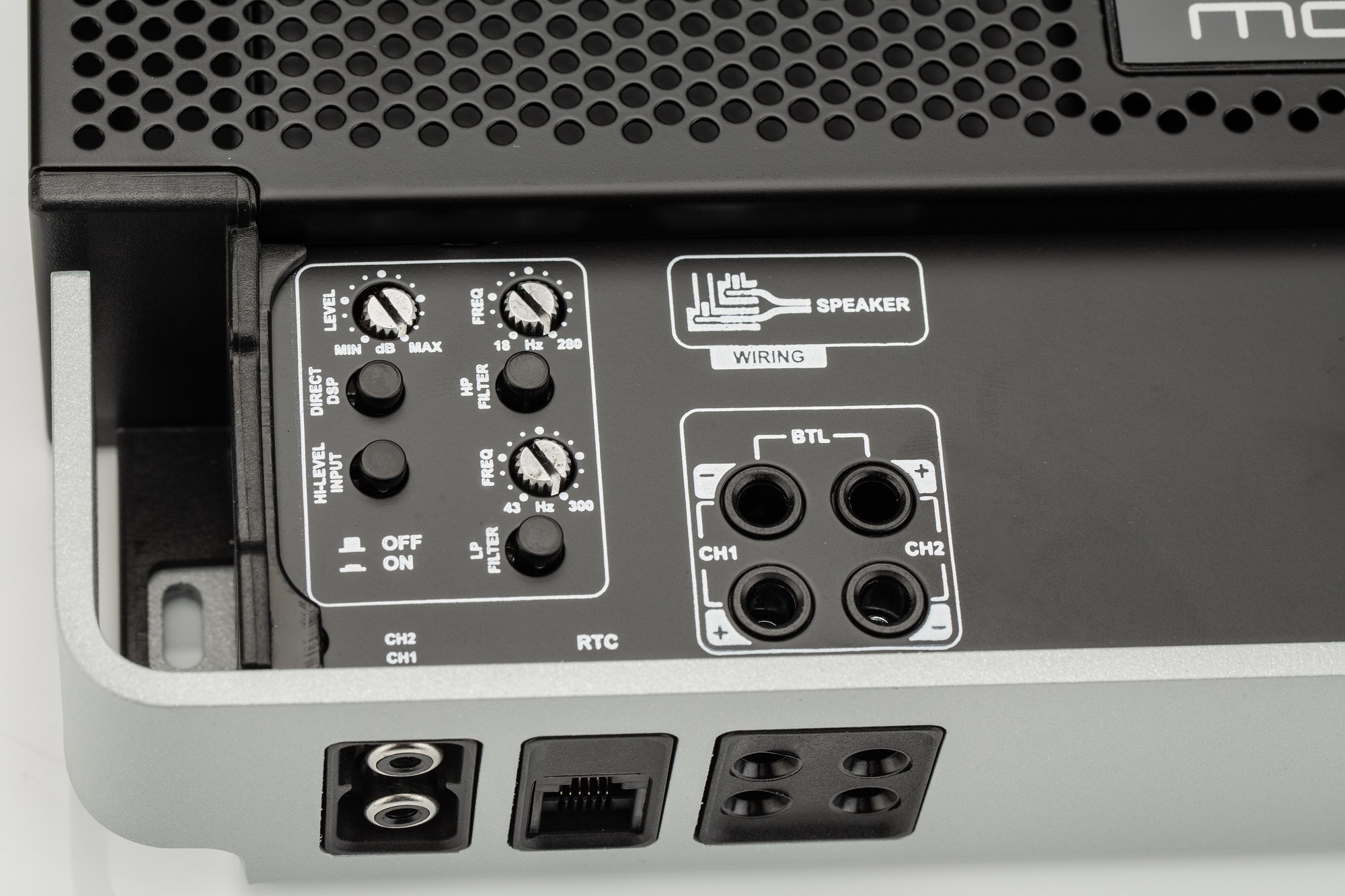
- Direct DSP (bypassing all preamp circuits).
- Automatic amplifier on/off.
- Selectable high or low-level input.
- Modern design with hidden controls.
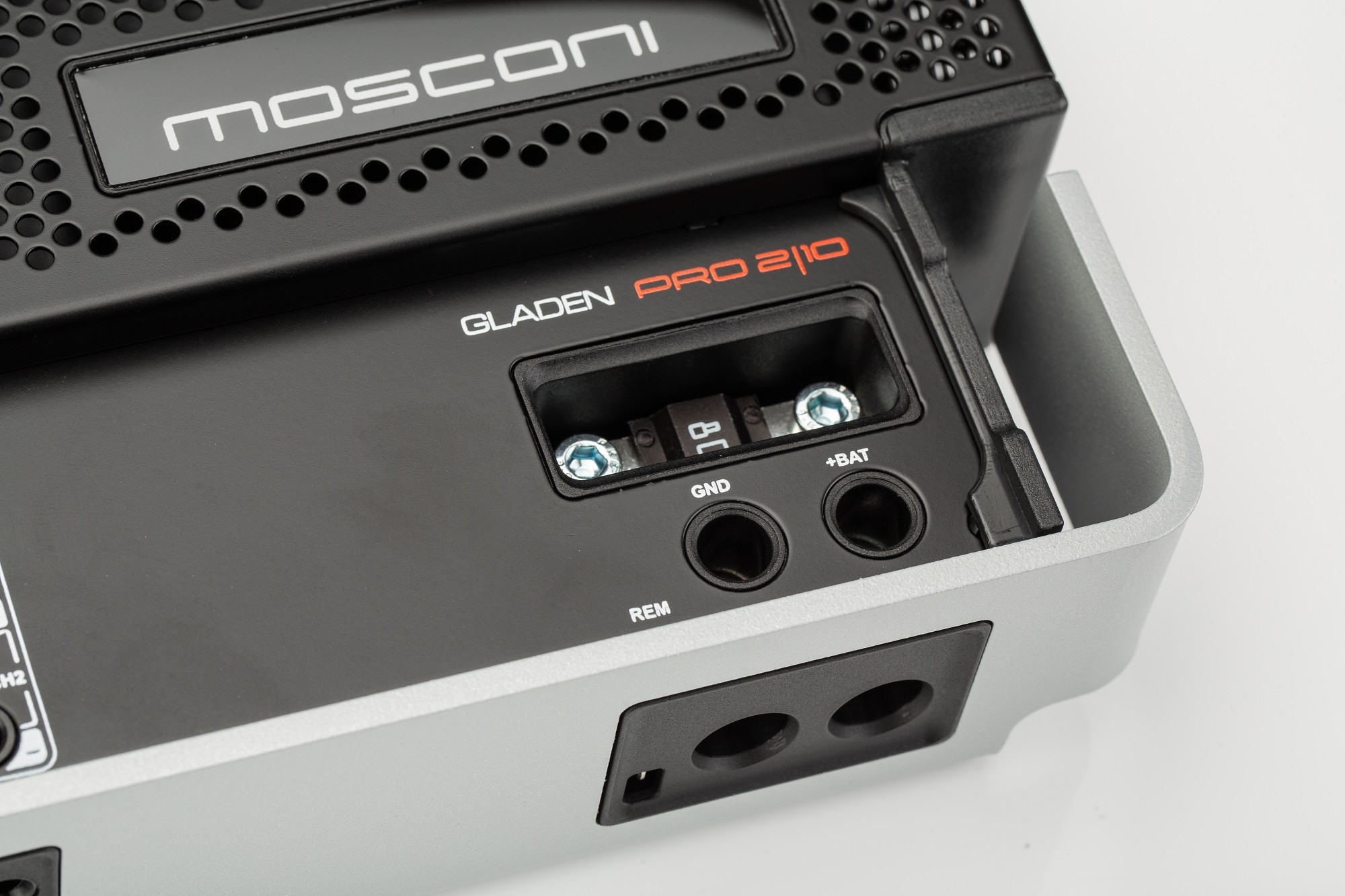
- Hidden terminal lugs.
- Option to connect a remote control.
About the Brand
The Mosconi brand was established in 2008 in Italy. In the summer of 2009, it introduced the now-legendary Mosconi AS amplifier series. In 2010, the Mosconi AS 100.4 four-channel amplifier won the prestigious EISA award for the best IN-CAR amplifier. Since then, Mosconi has repeatedly won EISA awards and tests in specialist magazines with its products. All this places the brand at the very top in terms of price/performance ratio and innovative solutions. Since 2013, Mosconi has been part of the Gladen brand, hence the amplifiers are now labeled Mosconi Gladen. All Mosconi Gladen products are 100% "Made in Italy"!
| Catalog number | PRO 2|30 |
| Brand | Mosconi Gladen |
| Links | Official web presentation |
| Energy class of the amplifierAmplifiers are divided into two basic classes: analog and digital . Analog amplifiers (A/B) have higher consumption requirements, but usually have a more natural sound. Digital amplifiers (D) have significantly lower consumption and higher efficiency, but the sound may not be as faithful as with classic analog amplifiers. | A/B |
| Number of amplifier channelsAmplifiers are divided into: - Monoblocks - 2-channel - 3-channel - 4-channel - 5-channel - 6-channel - multi-channel Each channel is used to power one speaker for the coaxial type, or one side if they are component speakers. Monoblock type amplifiers are mainly used for subwoofers. 2-channel are suitable for both subwoofers and, for example, the front pair of speakers in a car. 3-channel is used for front or rear speakers + subwoofer. 4-channel are used for front + rear speakers or 1 pair of speakers + subwoofer. 6 or 5-channel are used for 2 pairs of speakers + subwoofer, most often. Bridging means connecting the amplifier to a bridge, using the + pole from one channel and the - pole from the other channel. In most cases this is shown as "BRIDGED" on the amplifier. | 2 |
| RMS power into 4 ΩRMS power when loading speakers or subwoofer at 4 Ω. RMS power is the constant power of the amplifier and is one of the most important parameters when choosing an amplifier. | 2 x 550 / 1 x 1650 W |
| RMS power into 2 ΩRMS power when loading speakers or subwoofer at 2 Ω. RMS power is the constant power of the amplifier and is one of the most important parameters when choosing an amplifier. | 2 x 825 W |
| Harmonic Distortion (THD)Total harmonic distortion indicates how much the input signal is distorted in the amplifier. Distortions appear as overtones contained in the output signal. The proportion of originally absent parts of the signal is given as a percentage, typical values are between 0.001% and 0.5%. Distortion is measured in their power band. If it exceeds the limit of 0.7% from a certain power, it is the value of the output power of the given amplifier, from which it no longer plays without distortion and from which the distortion usually increases steeply, so that no further increase in power can be counted on. The lower the value, the better. | < 0.035 % |
| Input sensitivityIn order for the amplifier to perform its function correctly, it requires an input signal of a certain level, which is different for car radios. It is measured in "Volts" (e.g. 2 V, 4 V, etc.) The higher the value at the output of the pre-amplifier, or car radio, the less demands are placed on the power of the amplifier. However, the amplifier must allow this input sensitivity, and for that reason this value is also given for the amplifier. | 0.35 - 12 V |
| High pass filter (HPF)HPF / HP or The "hi pass filter" offers the option of setting the amplifier using a potentiometer so that medium, possibly mid-bass and treble frequencies play upwards from a certain frequency. Example: Amplifiers most often have an HPF from 40 to 300 Hz. If we set the potentiometer to a value of approx. 150 Hz, the sound will be clipped so that it plays frequencies from 150 Hz up to the maximum upper limit of the entire frequency range of the amplifier, perhaps up to 20,000 Hz. We recommend setting this potentiometer in the range of 80-160 Hz. Thanks to this setting option, the speakers can handle a higher performance, as you will not overload them with bass in the lower frequency range. | 18 - 220 Hz |
| Low-pass filter (LPF)LPF / LP or "low pass filter" offers the possibility to adjust the amplifier using a potentiometer so that the lower band plays only the frequencies in a certain band that you need. This filter is used to adjust the frequency range for the subwoofer, so that it does not overload or distort the sound. Example: Amplifiers most often have an LPF from 20 to 300 Hz. We recommend setting this potentiometer in the range of 45-80 Hz. | 43 - 300 Hz |
| The value of the fuses on the amplifierFrom the value of the fuses on the amplifier, you can get a true picture of the real performance of the amplifier. | 80 A |
| High level inputsThe high-level input on the amplifier allows connection directly to the existing speakers in the car without additional purchase of an external high/low adapter. Important equipment in the case of installing an amplifier on an original car radio. | Yes |
| Automatic on and offThis function allows you to automatically switch on the amplifier. | Yes |
| Socket input terminalsFerrule terminals allow better wiring contact to the amplifier. It is also a more secure form of terminals. If you are tightening the sleeve terminals, we recommend retightening them after 1 day, as the connected cable gradually compresses. | Yes |
| Input for wired remote controlIf the amplifier has a remote control input. | Yes |
| Remote control included in the packageSome models of amplifiers also come with wired remote controls in the package, which on one side plug into the amplifier and on the other side you have a potentiometer that you can place anywhere in the cabin. A common place to place the remote control is under the steering wheel. The advantage is the regulation of power, and therefore volume, depending on driving conditions and the mood of the crew in the car. | No |
| Dimensions of the amplifier | 500 x 205 x 55 mm |
| Mass | 5.0 kg |