
ESB Audio 3.6K2X speakers
More about the product
- You can return the goods to us within 14 days
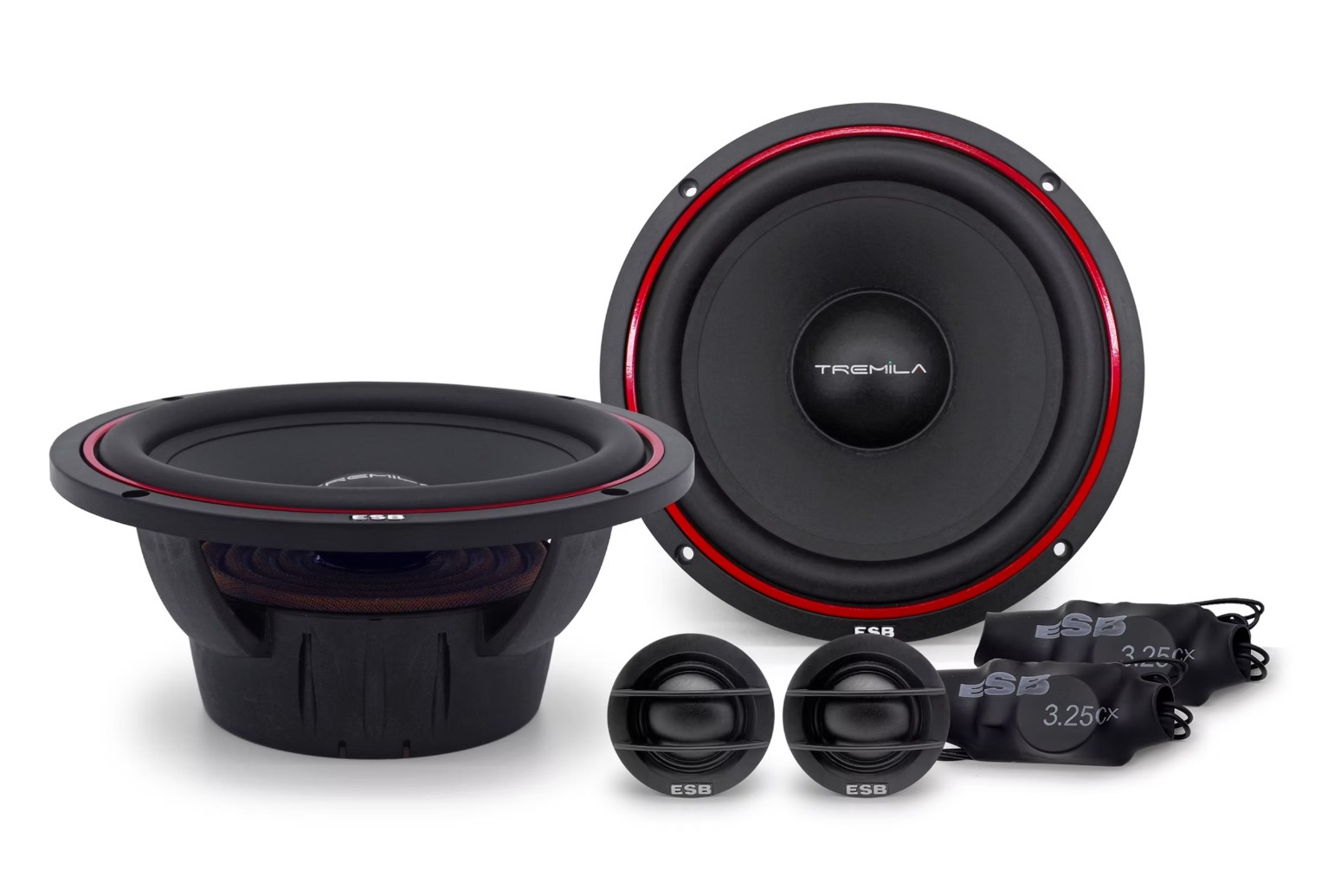
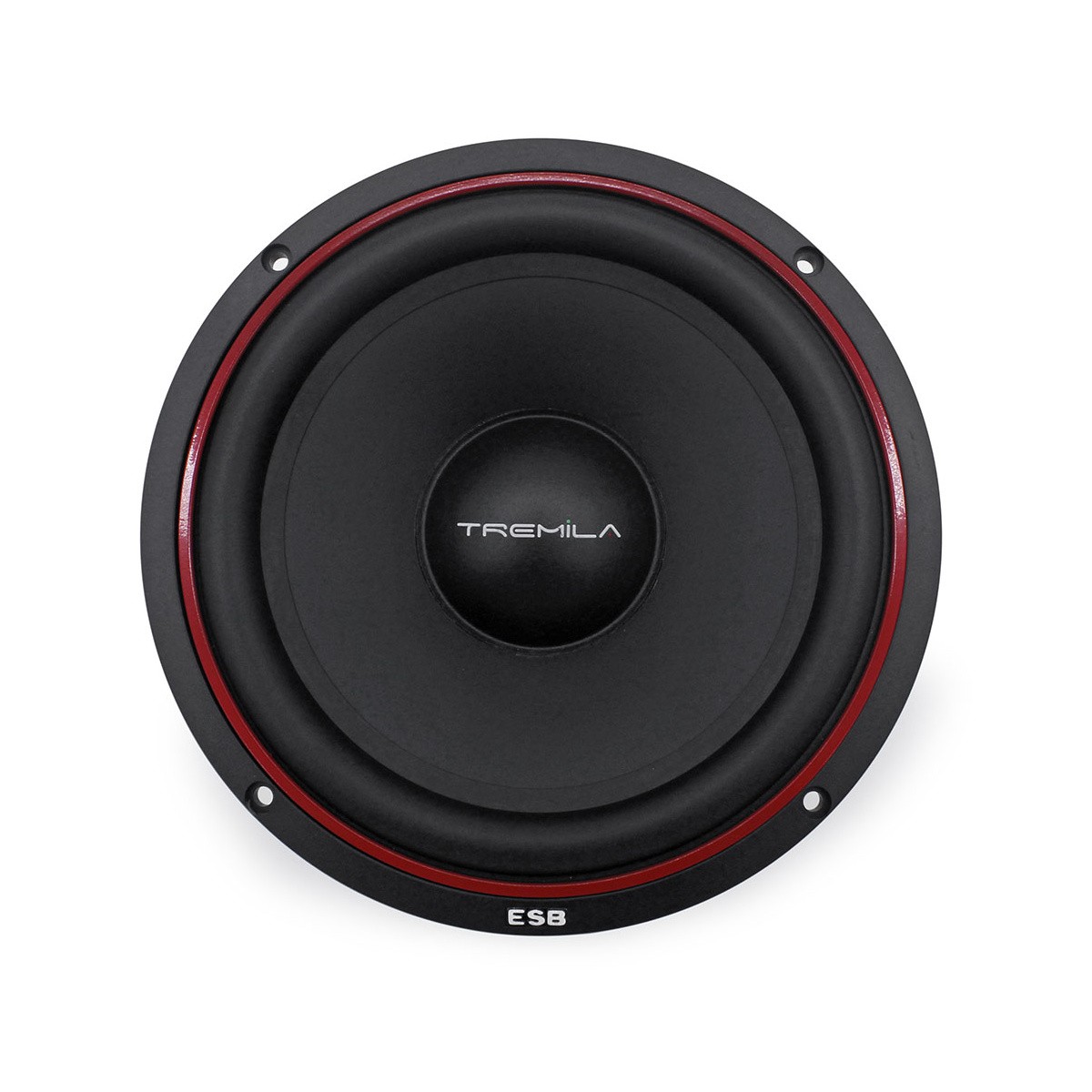
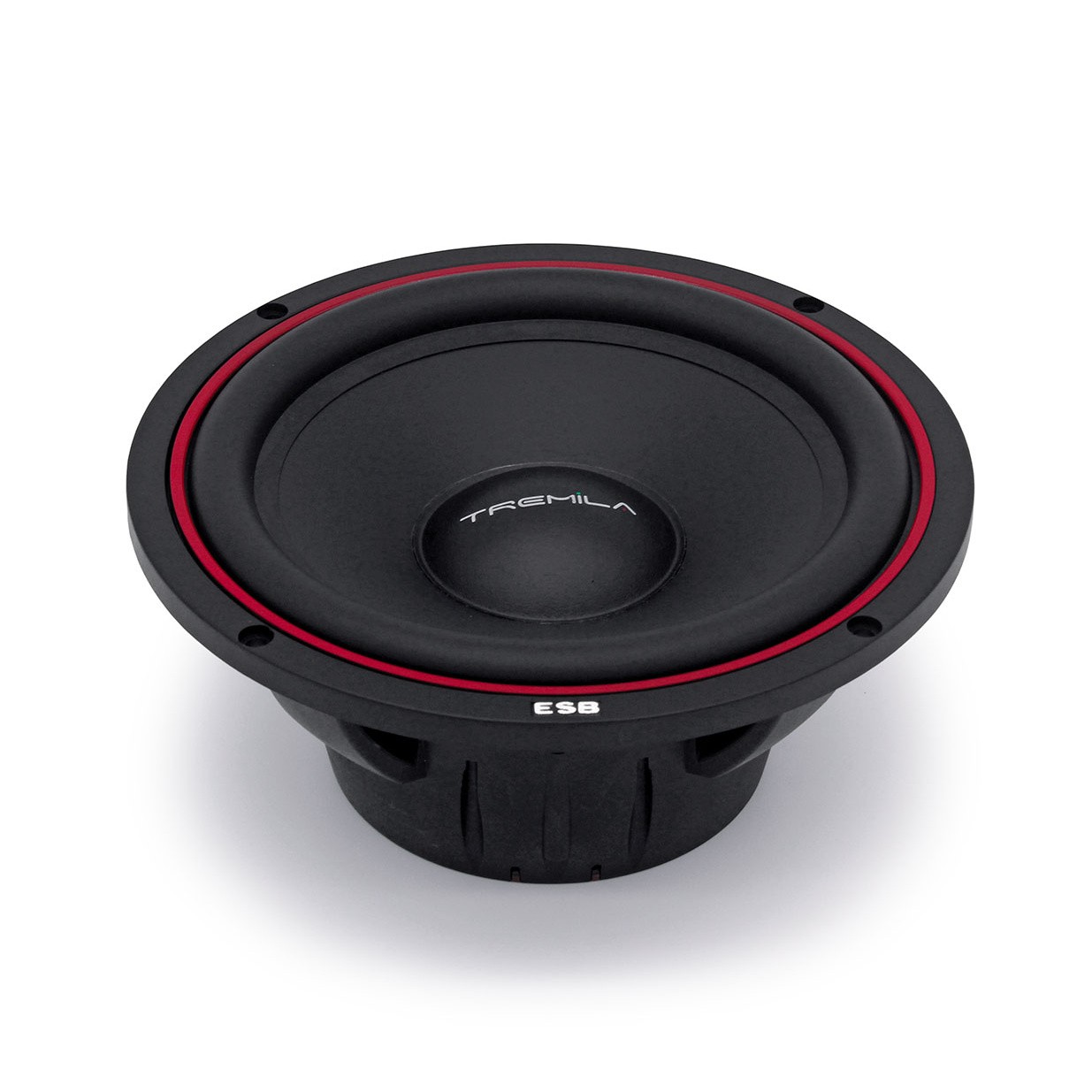
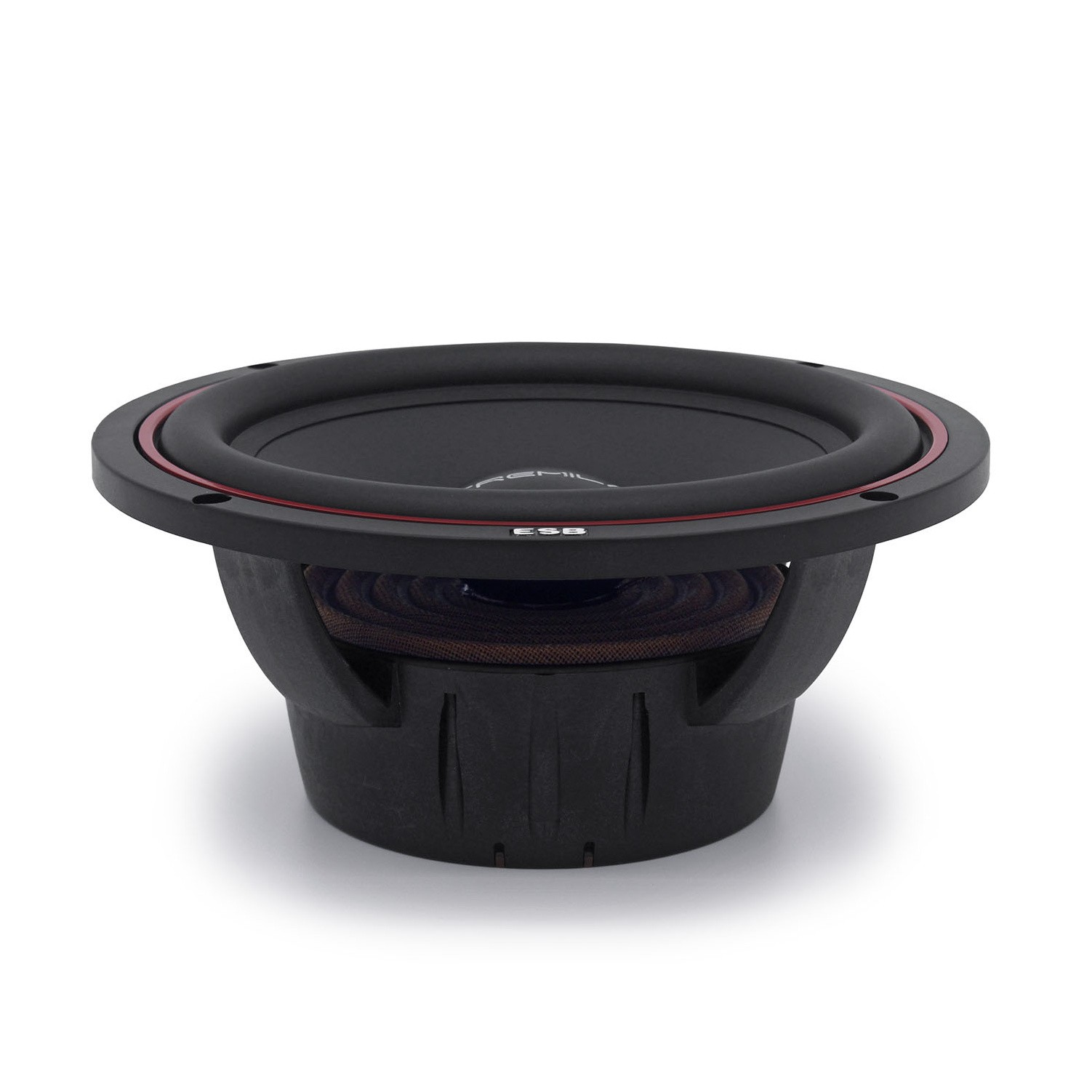
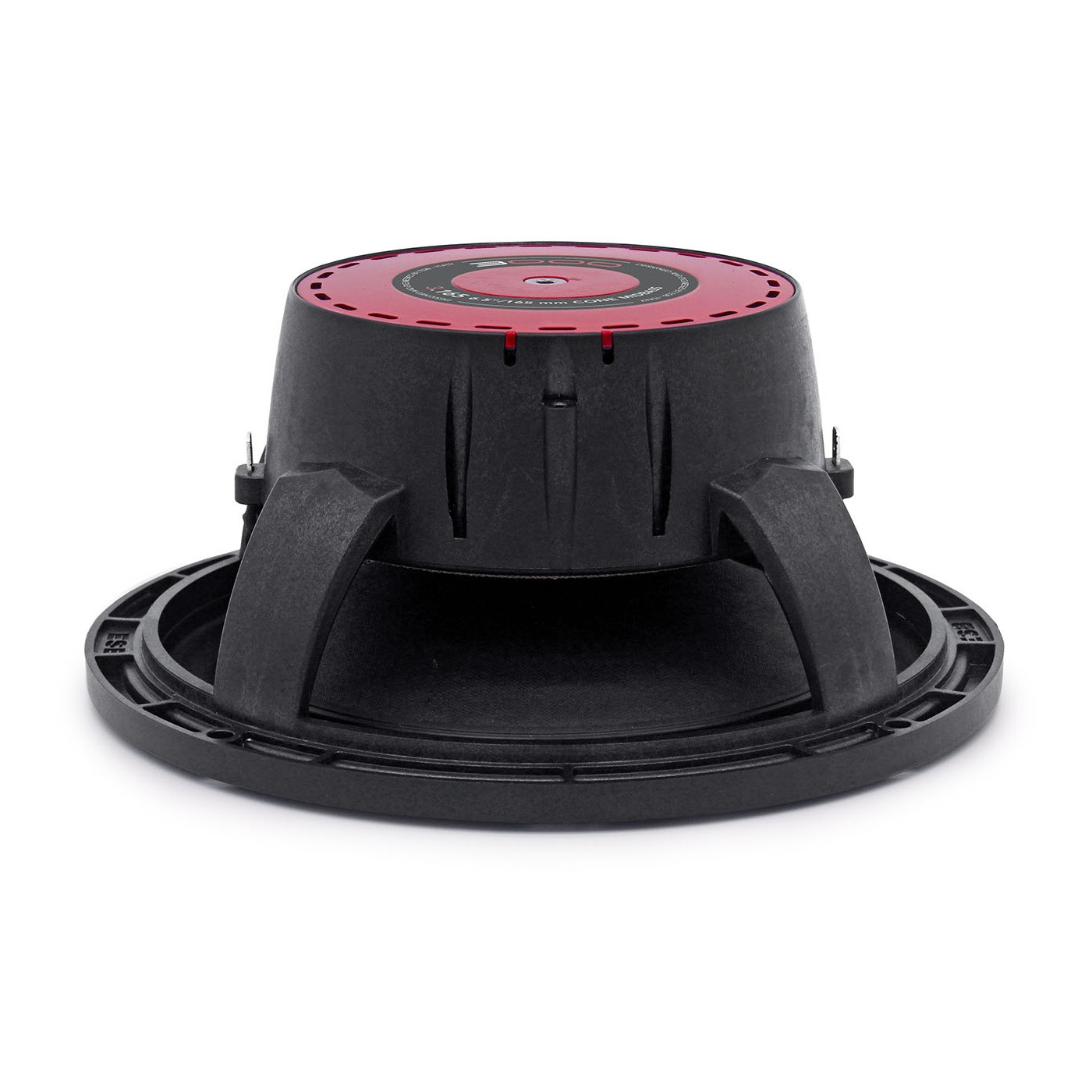
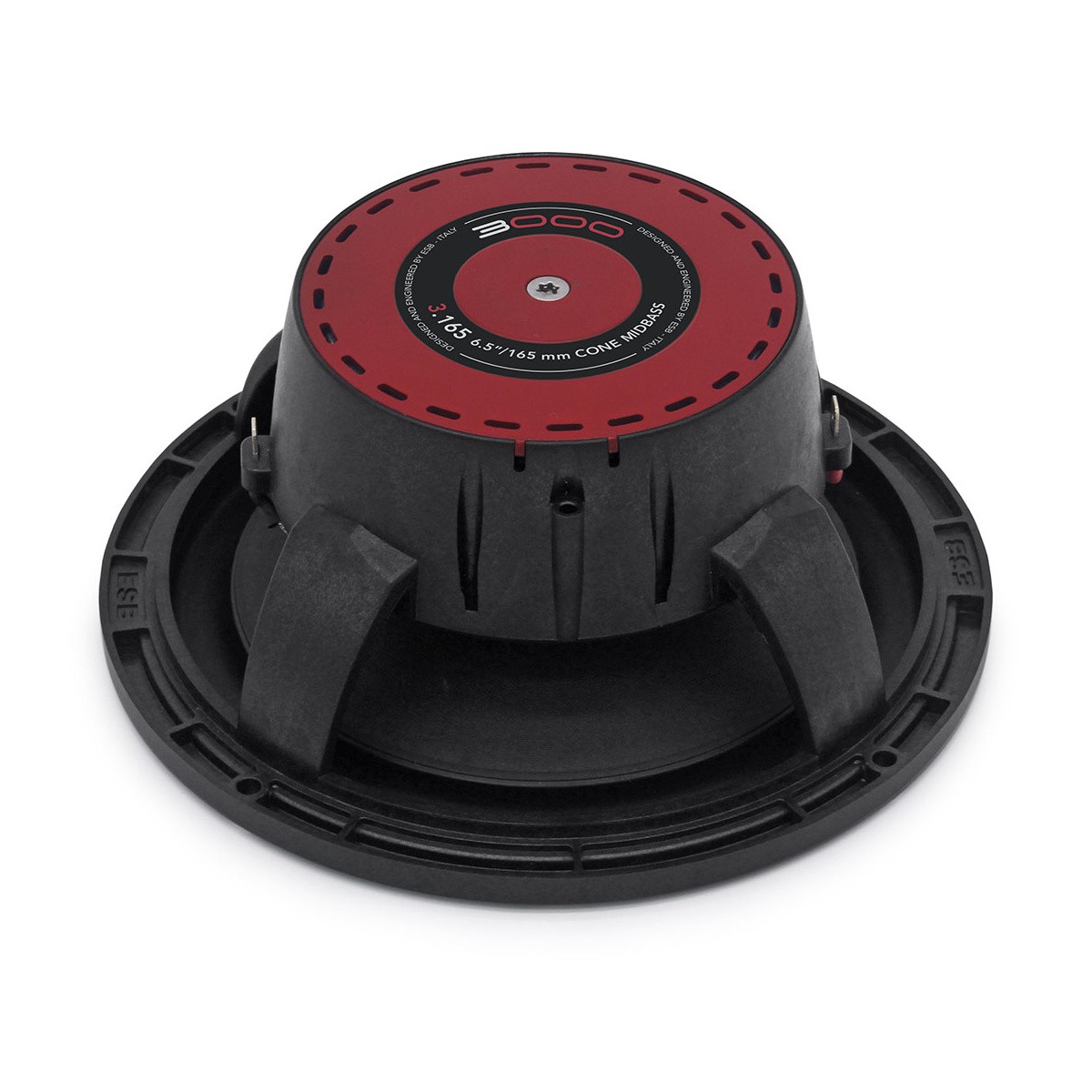
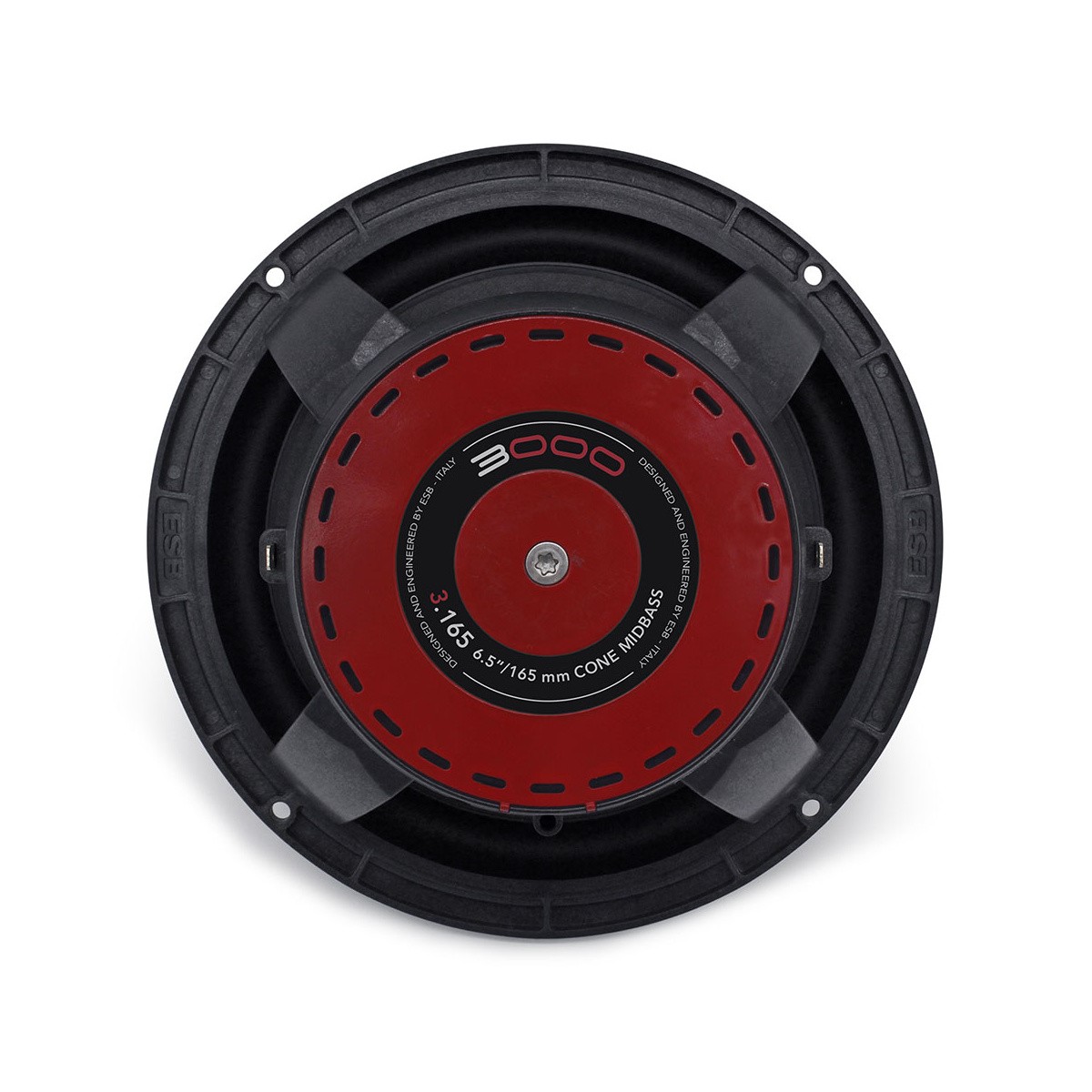
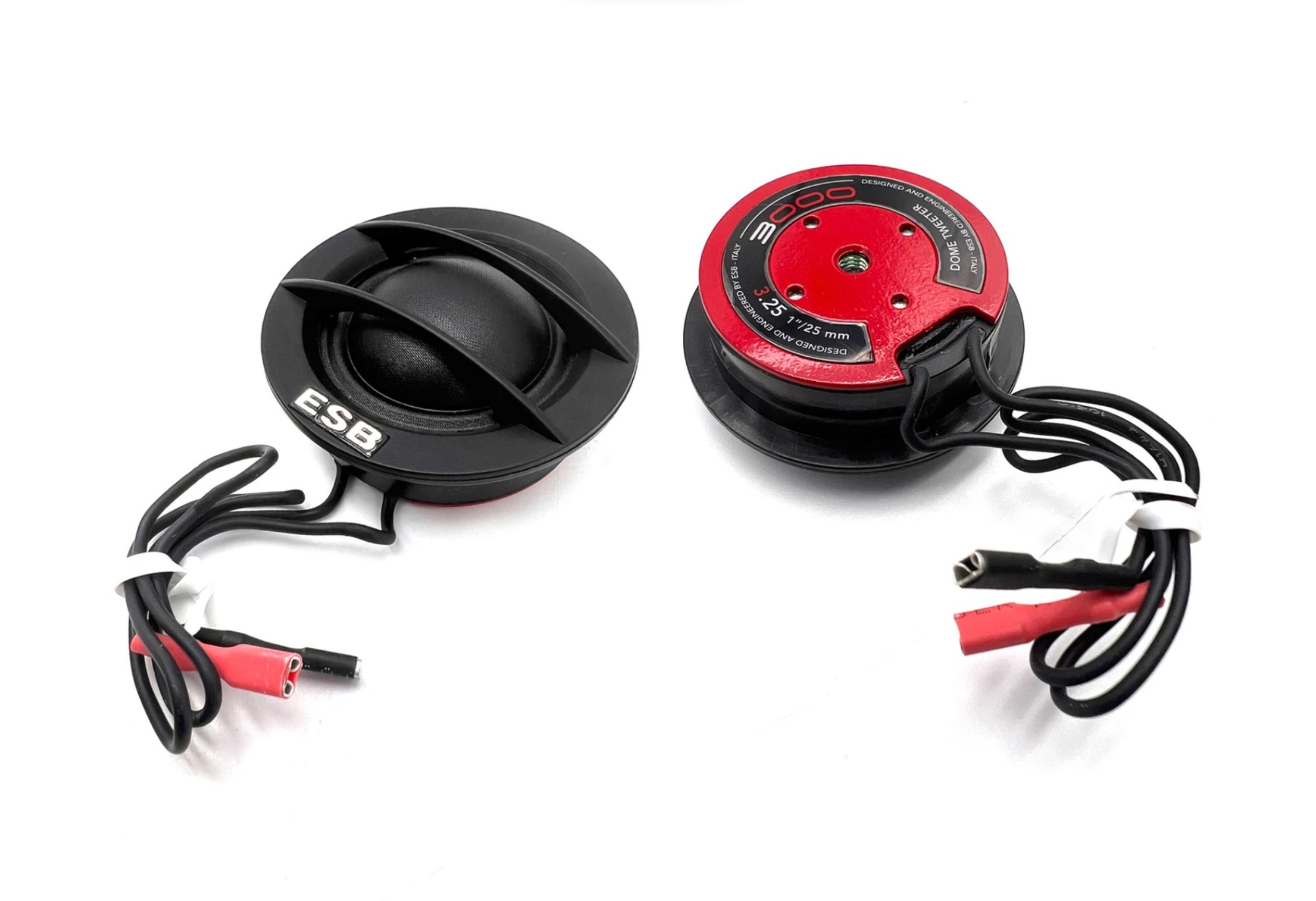
2-way component speakers ESB 3.6K2X
The ESB 3000 (Tremila) speaker system was developed and assembled with extraordinary emphasis on materials research and top-level technical solutions. The goal was to create speakers with maximum mechanical stability, high efficiency and a natural, high-quality sound suitable even for demanding SQ installations. The midbass drivers use paper cones with a waterproof treatment, which represent the ideal combination of lightness, stiffness and the ability to naturally damp unwanted vibrations. The tweeters with a lightweight silk dome provide smooth, delicate and detailed highs without harshness. ABS plastic baskets reinforced with fiberglass offer high torsional stiffness, suppression of self-resonances and precise guidance of the voice coil, which directly translates into sound clarity and control. The 3.6K2X set includes midbass and tweeter drivers and 12 dB crossovers intended for the tweeters. Thanks to their high real sensitivity, the speakers are suitable for connection to high-quality factory or aftermarket head units, though their full potential is revealed when used with an external amplifier.
Paper midbass cone
It is widely accepted that paper cones offer the ideal combination of lightness, stiffness and the cone’s ability to damp any unwanted vibration, i.e., distortion. The ESB paper cone, long praised for its excellent sonic properties, is waterproof thanks to a polymer developed exclusively by ESB. This treatment does not negatively affect the appearance or parameters of the driver, unlike glossy polymer coatings used by other manufacturers that add a significant amount of mass to the cone and markedly change its sonic character. The applied treatment protects the cone from dripping water, for example inside a door panel, and also from accidental splashes to the cone’s front surface.
Basket and ventilation system
The speaker basket is made of ABS plastic reinforced with fiberglass and was designed to achieve maximum torsional stiffness (resistance to bending) while offering minimal resistance to the air expelled by the cone from its rear side. This is clearly visible from the numerous reinforcements and ribs in the structure. The basket plays a crucial role in accurately guiding the voice coil in the magnetic circuit, and its stiffness is therefore a key parameter. Equally important is the damping of this component, because metal baskets often tend to resonate, which significantly affects the final sound quality of the driver. The material used is not only less sensitive to temperature changes but is also non-flammable and completely free of self-resonances. The ABS frame also allows a higher and more even clamping torque than common stamped steel baskets and ensures that the voice coil remains precisely centered in the magnetic field.
Suspension
The single-wave suspension made of highly damping Perbunan® rubber is significantly more stable under temperature changes than common rubber materials. Its operating range extends from −20 °F to +100 °F while retaining almost constant elasticity. The suspension profile performs a dual function – it ensures high damping while providing excellent transverse stability. As a result, the cone is limited exclusively to vertical movement, eliminating transverse excursions that could cause the voice coil to contact the magnetic circuit. This allows the speakers to operate safely even at high power and large excursions.
Spider
ESB’s research department devoted considerable effort to developing the ideal spider shape. This critical component must ensure perfectly linear cone movement at both low and high power while limiting excursion before motion becomes uncontrollable. The material used is a specially balanced cotton impregnated with phenolic resin, which ensures perfectly symmetrical cone movement from the first milliwatts of power and then gradually damps it as Xmax is approached. The construction of this component also enables effective ventilation of the voice coil, dissipates heat from the underside of the driver and prevents the build-up of back pressure caused by cone movement.
Magnetic motor
The voice coils of the midbass drivers use an aluminum former and a winding with a two-layer technology of copper-clad aluminum wire. The long-throw design was chosen to increase sensitivity and efficiency while maintaining minimal distortion. All midbass drivers are equipped with a magnetic motor featuring a Y-35 class ferrite magnet, which offers significantly higher performance than common standard magnets. The metal parts of the motor are made of low-carbon steel and were designed to achieve maximum magnetic saturation, which guarantees excellent electroacoustic parameters.
Tweeters
ESB 3.25 tweeters use a thin textile dome impregnated with silk, which delivers a delicate and smooth sonic character. The outer dome surround is coated with a material that has high internal damping to eliminate edge vibrations and resonances. Thanks to extremely low mass, the dome is considerably less prone to mechanical deformation than other types of tweeters and provides a smooth, linear and very wide frequency response. The 25 mm voice coil uses an aluminum former and very lightweight aluminum wire plated with copper. The coil is effectively ventilated and damped with a ferrofluid that improves cooling and stability under higher loads. The special SVS ventilation system not only ensures optimal cooling of the voice coil but also prevents air compression behind the dome, which positively affects linearity and clarity of reproduction. The tweeter’s magnetic circuit uses an N42 class neodymium magnet, which offers significantly higher performance than common standard magnets. The entire system was optimized using computer simulations to achieve higher efficiency and better linearity.
About the ESB Audio brand
The history of ESB Audio dates back to 1972, when this Italian brand was officially founded. ESB Audio ranks among the most famous speaker manufacturers of the second half of the 20th century and over its rich history introduced many innovative technologies and high-end home audio products that achieved worldwide success. Based on their accumulated experience, in 1984 ESB engineers began research aimed at optimizing sound in the automotive environment and two years later started production of their first car speakers. Car audio became a phenomenon of the time, and in 2005 a school dedicated exclusively to vehicle sound systems was established in Aprilia, where ESB is based. It was then decided to leave the world of home audio and focus exclusively on vehicle audio. Today ESB, together with the originally American amplifier and DSP manufacturer Zapco, falls under the Italian company Arpa. The brand’s main mission now is the development of the highest-quality speakers with an emphasis on faithful, natural and detailed sound reproduction, aiming to convey music exactly as the artist intended—true to the company slogan "Just like live".
| Catalog number | ESB 3.6K2X |
| Brand | ESB Audio |
| Links | Official web presentation (English) |
| Speaker typeCoaxial speakers: Coaxial speakers are characterized by a so-called all-in-one design. The tweeter and mid-bass speaker are in one basket. The advantage is simpler assembly, but thanks to the connection or proximity of the bands in one speaker, the sound quality will usually be reduced. As a rule, in the middle of the mid-bass speaker, there is a tweeter whose voice coil works in the second air gap of the common magnetic circuit. The three-way coaxial speaker consists of a mid-bass speaker, a center speaker and a separate tweeter in the front on a special beam. Component Speakers: Component speakers are characterized by a division into individual frequency bands, treble + mid-bass + or. bass band. The individual speakers can be placed completely separately, which results in a better sound and acoustic performance. In the vast majority of cases of component speakers, an external crossover is also supplied, which divides the treble, middle / mid-bass, and into the three-band the bass band or allows setting the decibel level of the tweeter (e.g. +2 dB, 0 dB, -2 dB), steepness (e.g. 6dB/Oct. 12dB/Oct.) or active or bi-amp connection. | Component 2-way |
| RMS powerRMS speaker power is the constant power of the entire system, not just one speaker or one side. This is also the performance of continuous use of the speakers. If the RMS power is exceeded for a long time, the speakers may be irreversibly damaged! | 120 W |
| Max. (maximum performancePeak performance , which the speaker can play for a moment (approx. 0.5 s), for example when hitting drums in a song. If the max power is exceeded, the speakers will usually be damaged! | 240 W |
| Sensitivity (SPL 2.83V/1m)Sensitivity, sensitivity or efficiency of the speaker. Speaker sensitivity is given in decibels (dB) and simply put, the higher the value, the lower the demands on the amplifier's power. This is a defacto rating of how a speaker converts watts to sound. Sensitivity ratings are in noise level measured at 1 meter from the speaker using 1 W (watt of power) or using 2.83 volts at the source at 1 meter. A higher decibel level means the speaker is louder with less power. For every 3 dB increase in sensitivity, the speaker requires half the power to reproduce the same volume. For example, if an 88 dB speaker needs 100 Watts to produce a certain volume, then a speaker with a sensitivity of 91 dB needs only 50 Watts to reach the same volume. | 91.5 dB |
| Sensitivity (SPL 1W/1m)Sensitivity, sensitivity or efficiency of the speaker. Speaker sensitivity is given in decibels (dB) and simply put, the higher the value, the lower the demands on the amplifier's power. This is a defacto rating of how a speaker converts watts to sound. Sensitivity ratings are in noise level measured at 1 meter from the speaker using 1 W (watt of power) or using 2.83 volts at the source at 1 meter. A higher decibel level means the speaker is louder with less power. For every 3 dB increase in sensitivity, the speaker requires half the power to reproduce the same volume. For example, if an 88 dB speaker needs 100 Watts to produce a certain volume, then a speaker with a sensitivity of 91 dB needs only 50 Watts to reach the same volume. | 88.5 dB |
| ImpedanceImpedance - measurement of electrical resistance. When buying speakers, it is important to make sure that the impedance matches the amplifier or car stereo you are using. Example: A 2 Ohm speaker cannot be connected to an amplifier that is only stable up to 4 Ohms! A 4 Ohm speaker can easily be used with an amplifier that is stable up to 2 Ohms. The most common speaker impedance today is 3 - 4 Ohm. | 4 Ω |
| Frequency rangeThe ability of the speakers to play a signal from the lowest frequency to the highest, or the speaker's ability to faithfully reproduce sound in a specific frequency band. Professionally: In the frequency range from 40 to 16,000 Hz, the vast majority of fundamental and overtones (harmonics) of all musical instruments are found. We are interested in the course of the radiated sound pressure in this range of frequencies when the loudspeaker system is supplied with constant power. We call this course the frequency characteristic, which tells us the level of radiated sound pressure in decibels (dB) depending on the frequency. The frequency characteristic of a speaker or speaker system can be expressed most succinctly with a graph. Mostly, however, the frequency characteristic is indicated by indicating the maximum tolerance of the sound pressure in the given frequency range, e.g. 50 to 15,000 Hz -+ 6 dB. Since the frequency characteristics of loudspeakers and systems in general are quite uneven, some manufacturers do not even specify this maximum tolerance of sound pressure in decibels in their catalogs for reasons of prestige. Data impoverished in this way is unfortunately worthless. What is valid is that the manufacturer offers a speaker system with a frequency range of 30 to 20,000 Hz, if he is worried about stating the maximum unevenness of the sound pressure in this range, because he can have a tolerance of, for example, +- 20 dB. The unevenness or undulation of the frequency curve in good speaker systems for high-quality music performance should not exceed +-3 dB in the 80 to 12,000 Hz band and +-6 dB in the 40 to 16,000 Hz band. Greater unevenness already depletes or emphasizes certain tonal areas, which can cause audible or even disturbing distortion. The proportion between fundamental tones and higher harmonics also changes, thereby changing the color of the sound, and individual musical instruments as well as the entire musical image sound unnatural. | 65 - 25000 Hz |
| The diameter of the mid-bass speakerWe state the diameter of the speaker as the diameter of the entire speaker, not including the mounts, when smaller speakers (87, 100, 130 mm) have extra mounts. Some speakers are oval and there the dimension is given in inches, always the shortest side to the longest side. One inch is approx. 2.5 cm. | 165 mm |
| Installation depth of the mid-bass speakerThe installation depth of the speaker is measured from the bottom edge of the magnet to the bottom edge of the tin, plastic or cast speaker basket, or speaker bearing surfaces. | 64 mm |
| Mid-woofer diaphragm materialThe material that was used for the speaker diaphragm. Don't be afraid of the paper, it surprisingly has a very natural and high-quality sound and, thanks to the surface treatment, it can withstand moisture without any problems. | Pressed paper |
| Overall tweeter diameterThe total diameter of the tweeter is given as the diameter of the individual tweeter without the installation houses. | 47 mm |
| Tweeter dome diameterThe net diameter of the dome (diaphragm) of the tweeter. | 25 mm |
| The overall depth of the tweeterThe total depth of the tweeter itself without the installation houses. | 11 mm |
| Tweeter dome materialThe shell material that was used in the manufacture of the tweeter. | Silk |
| The resonant frequency of the tweeter | 1300 Hz |
| Frequency crossover included in the packageThe crossover is an important part of defacto all loudspeakers. A crossover usually contains different resistor values, coil sizes, and capacitor types that fundamentally modify the sound. We describe below what the turnouts are for. Component Speakers: A crossover is part of every quality component speaker system. Its task is to ensure the distribution of frequencies that the amplifier produces in the entire acoustic spectrum of frequencies so that each of the speakers receives only that part of the band that it can optimally play in terms of efficiency and minimal distortion. Coaxial speakers: In most cases, coaxial loudspeakers have a simple crossover (6dB/Oct.) formed by a capacitor at the tweeter. | Yes |
| Options for setting the frequency crossoverThe unwritten rule is that the more expensive the speakers, the more options the crossover has for adjusting the sound. The most common way to adjust the crossover is attenuation on the tweeter. More advanced crossovers also offer the option of setting the steepness on the mid-bass and tweeter or adjusting the frequency range. | No |
| Cover grids included in the packageOriginal cover grilles in speaker packaging. | No |
| Price forIf the price is for a pair, the package always includes 2 pieces of everything, e.g. 2x mid-bass, 2x tweeter and 2x crossover. | Pair |
Evaluation
You might also be interested
 TipQuick previewanti-vibration material, 700 x 500 mm, thickness 2 mm, MLF 0.26, weight 3.23 kg/m²7,96 EURIn stockComfortmat Cobra
 -20 %TipPromotionsQuick previewanti-vibration material, 700 x 500 mm, thickness 2.3 mm, MLF 0.40, weight 2.71 kg/m²9,99 EUR
 TipQuick previewsound insulation material, 700 x 500 mm, thickness 6 mm, insulation 32 dB, weight 3,57 kg/m²14,49 EURIn stockComfortmat Tsunami
 TipQuick previewacoustic sound-absorbing material, 500 x 350 mm, thickness 18 mm, weight 1.22 kg/m²12,49 EURIn stockComfortmat Soft Wave 15 XL
 TipQuick previewsound absorbing material, 1000 x 700 mm, thickness 15 mm, weight 0.51 kg/m²23,96 EURIn stockESB Audio 4.6K2 Free transport
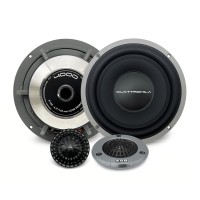 TipQuick previewcomponent speakers, Ø 165 mm, 150 W RMS, 4 Ω, 92.5 dB (2.83V/1m), mounting depth 67 mm439,00 EURIn stock