
AudioControl A1500.1 amplifier
More about the product
- You can return the goods to us within 14 days
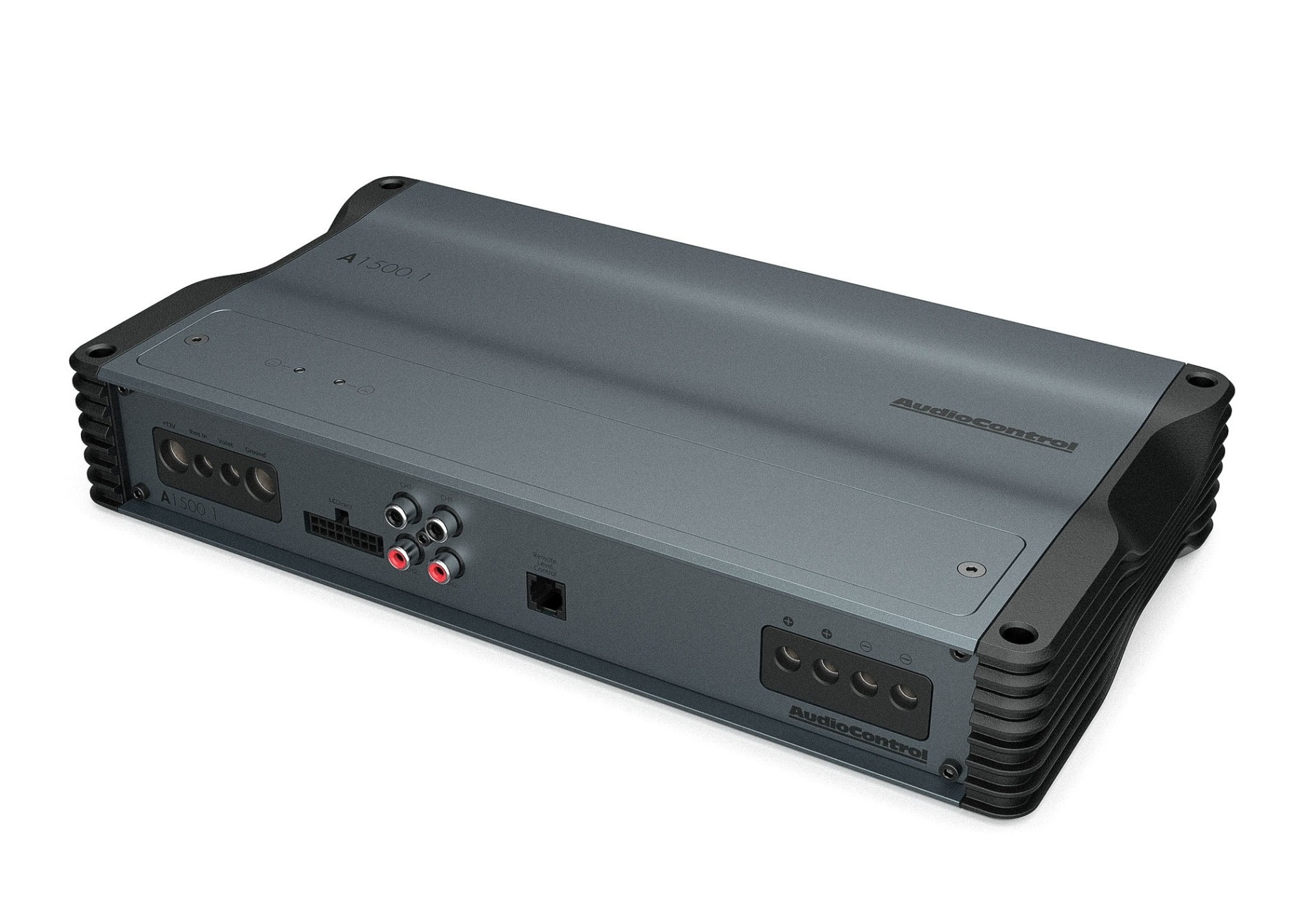

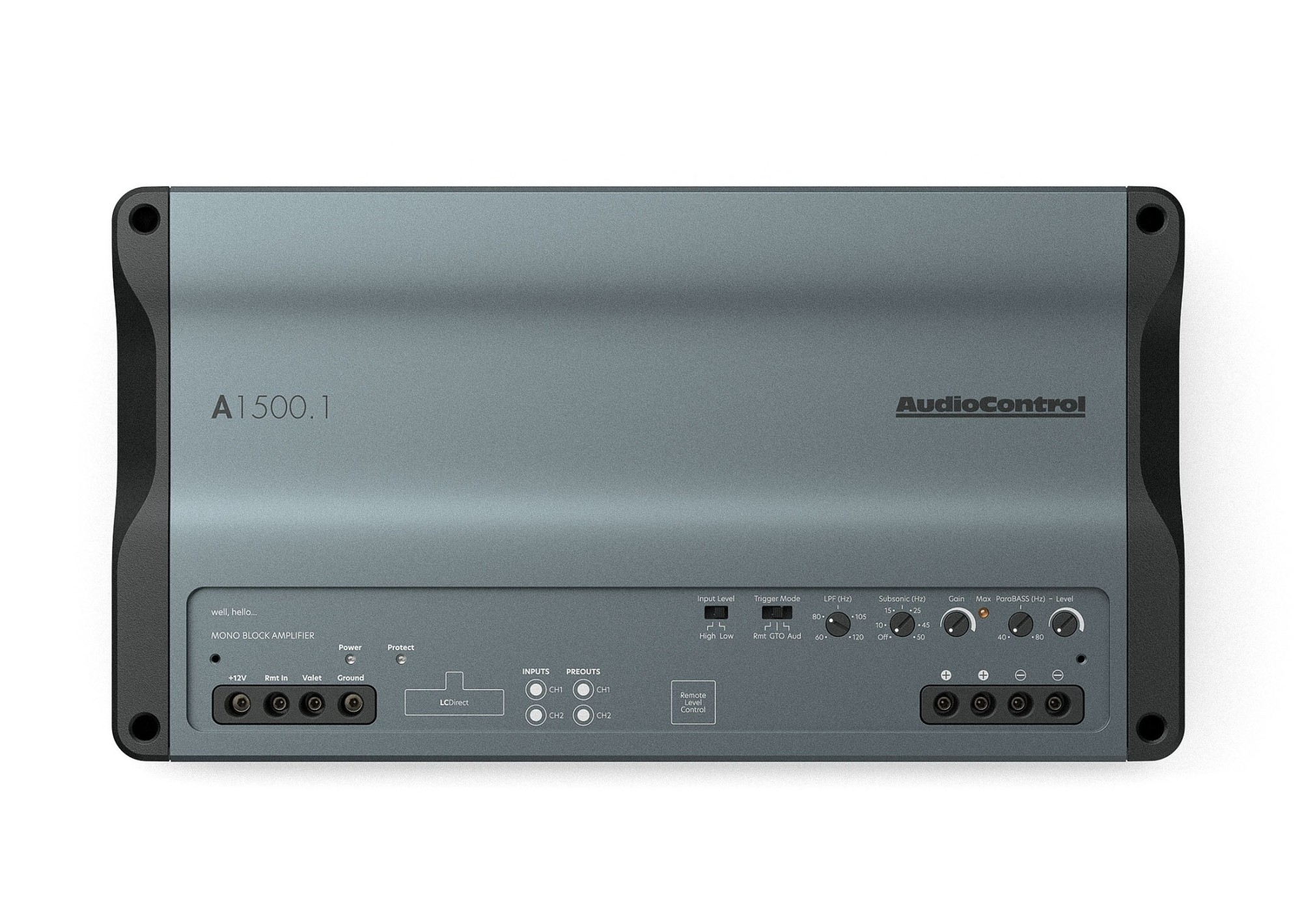
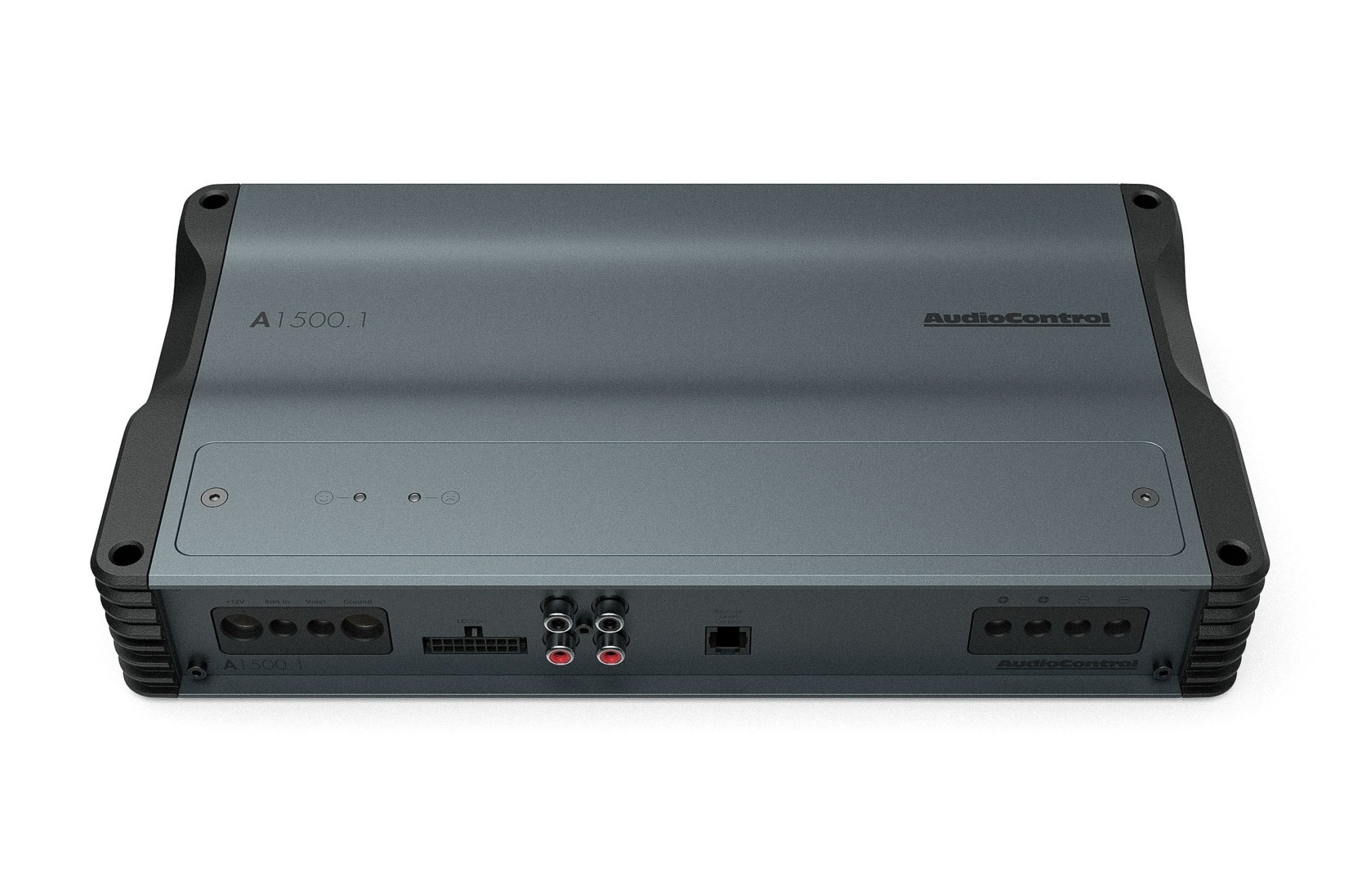
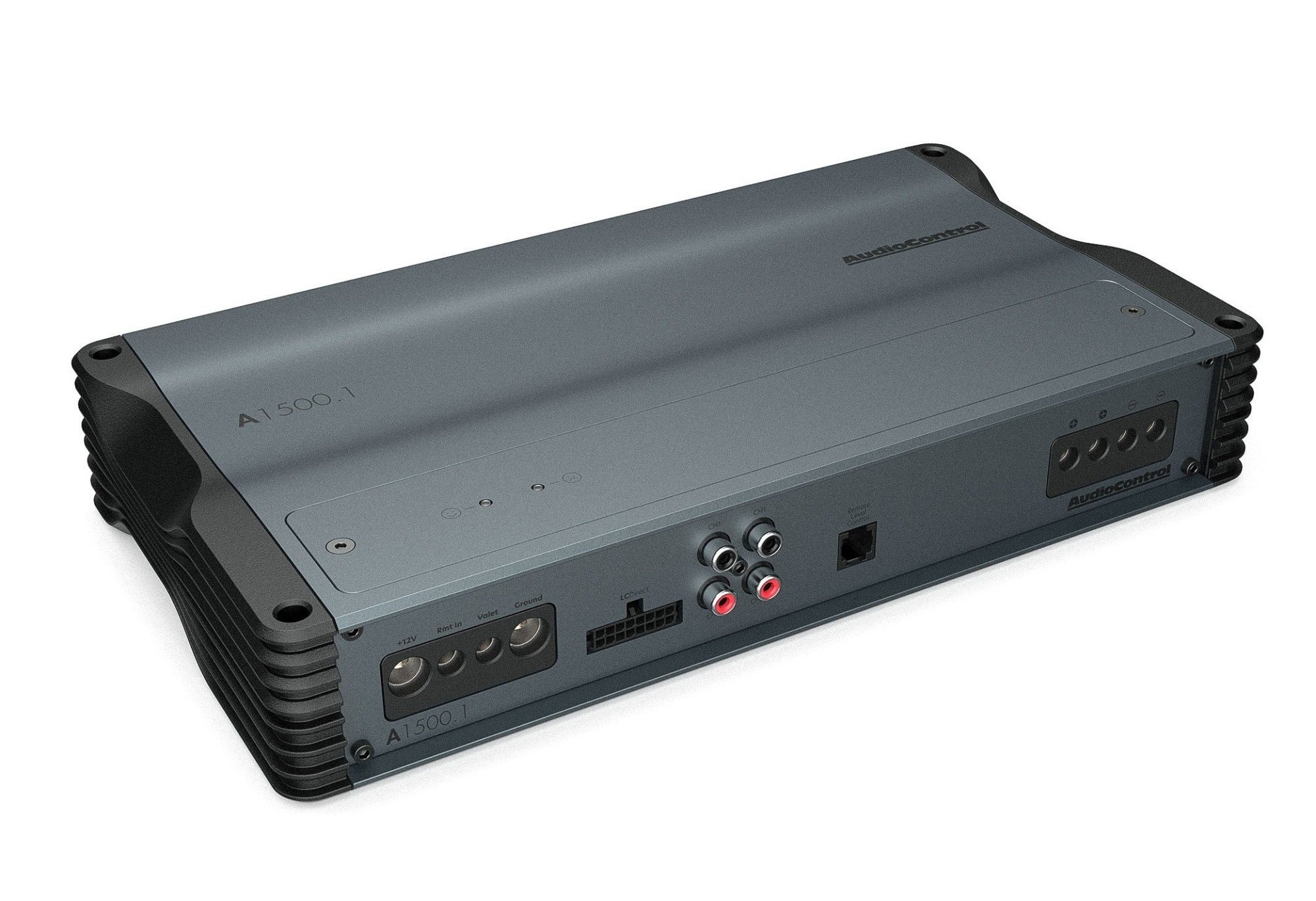
AudioControl A1500.1 Amplifier
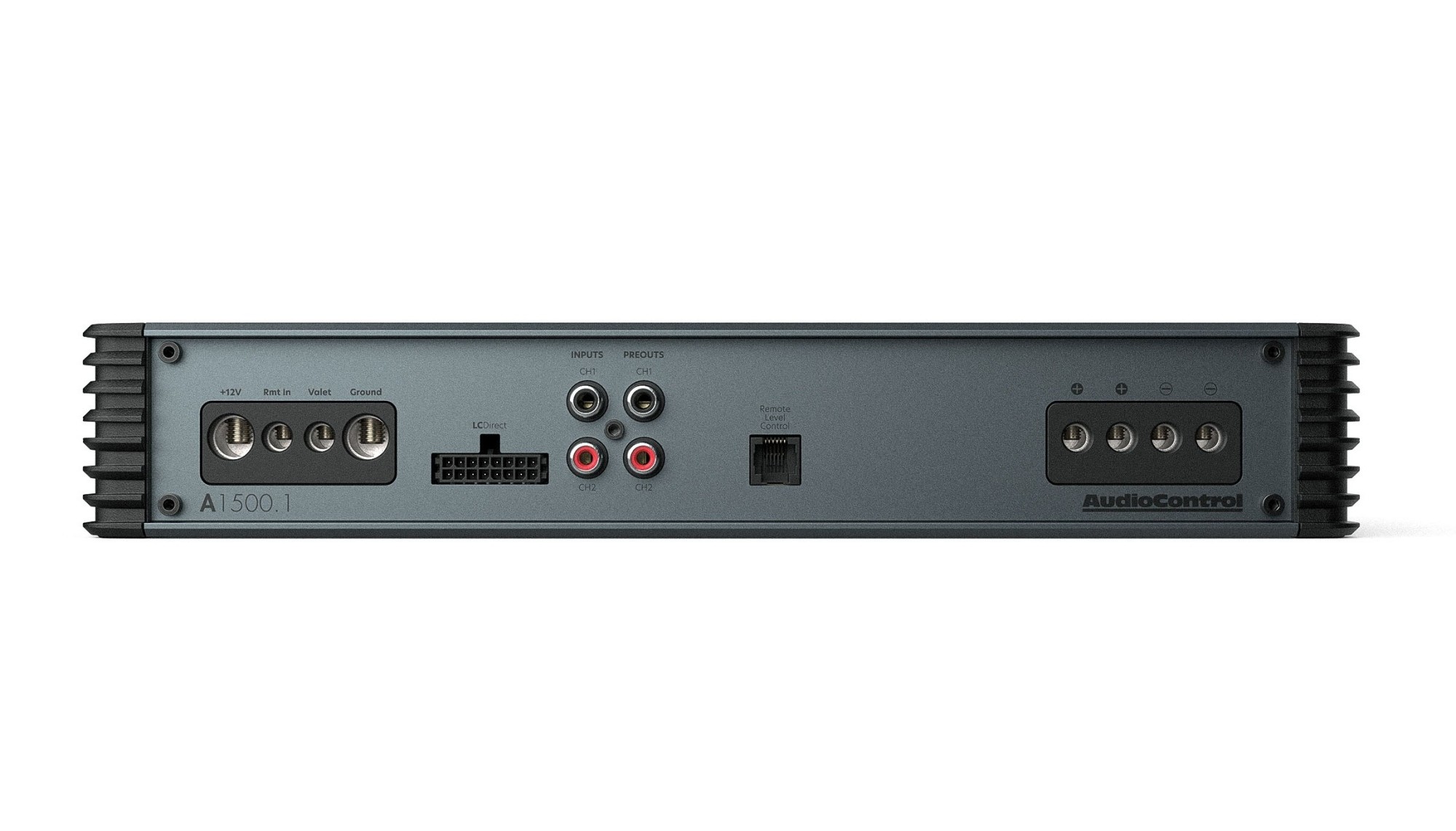
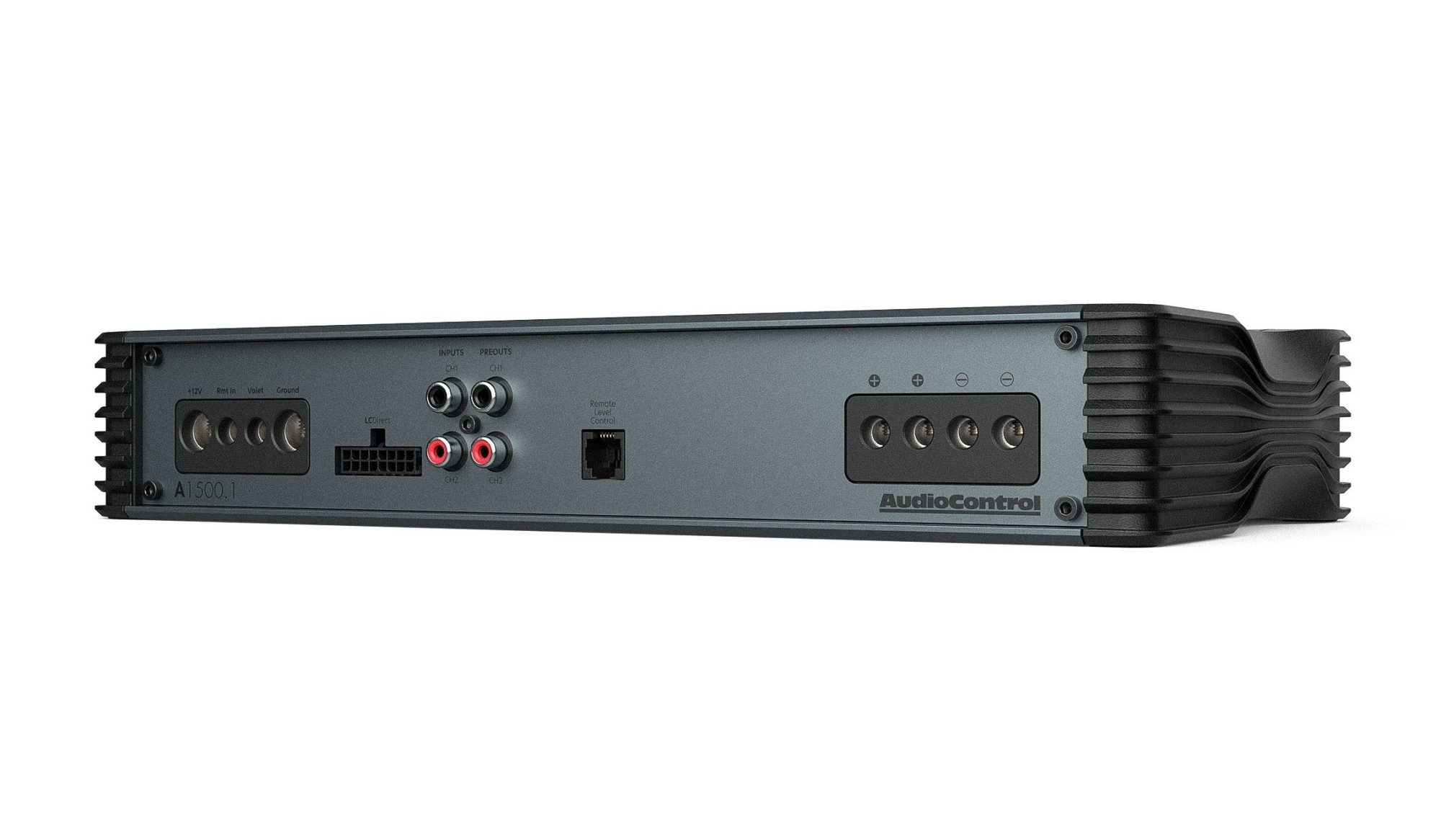
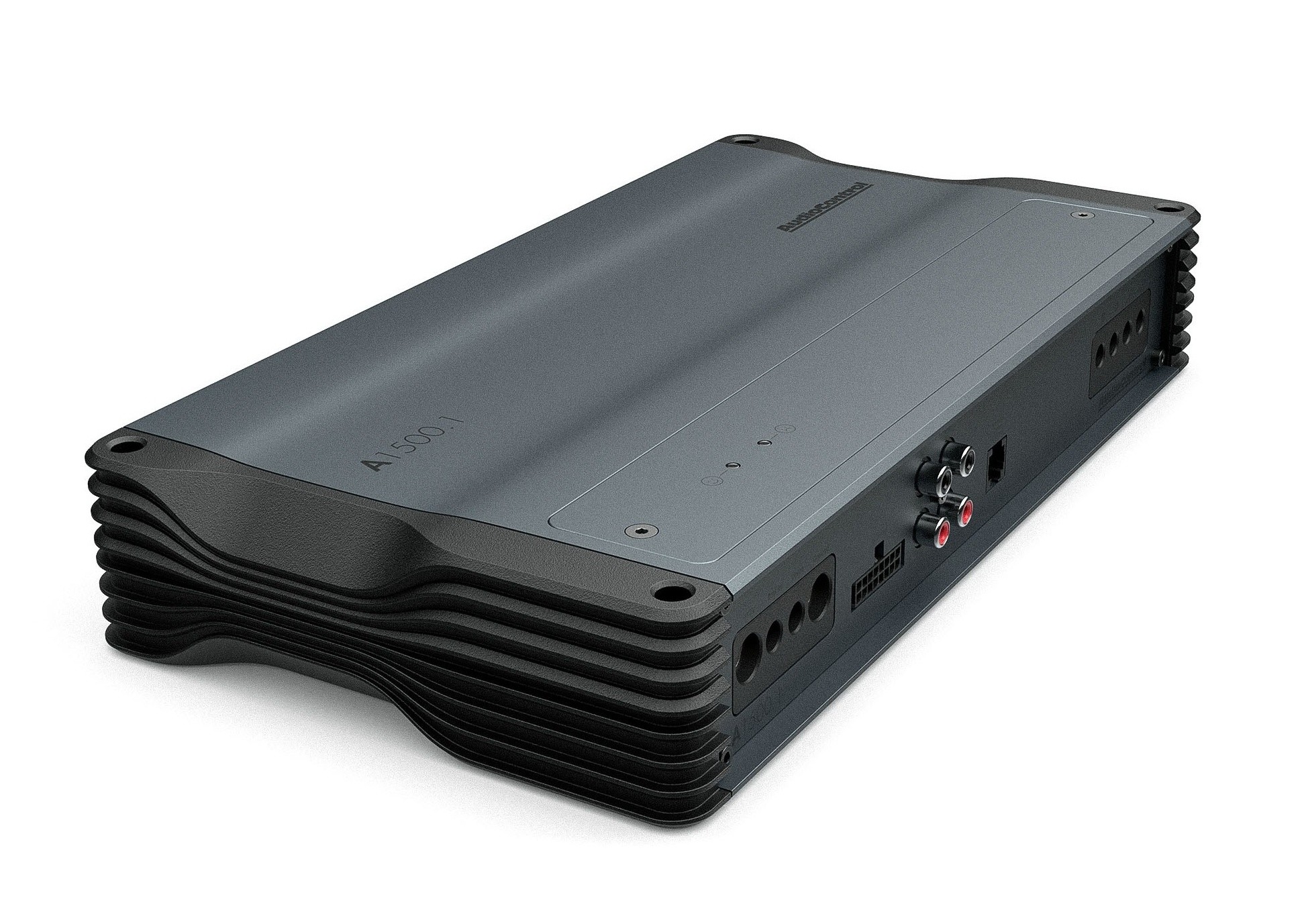
AudioControl presents a 1-channel amplifier from the Altitude series, designed from the ground up with an emphasis on a modern and minimalist appearance. The elegant anodized aluminum chassis in matte gray provides effective heat dissipation. Altitude models feature Valet Mode, which protects the audio system from unintended damage by limiting maximum volume to 25% when activated. They are also compatible with start-stop systems and electric vehicles, ensuring top performance in any car. Altitude series amplifiers deliver high power in a compact package and class-leading sound quality. ParaBASS controls allow precise tuning of the bass response to your preferences. Take control of your sound and enjoy the bass exactly how you like it.
The power circuitry uses advanced pulse-width modulation integrated circuits that provide increased power and efficiency. The HEXFET® Power MOSFET transistors from International Rectifier are engineered for extremely low on-resistance and reliable high-speed switching. A premium toroidal transformer ensures optimal efficiency and minimal signal distortion. Low-ESR capacitors contribute to minimal losses and reduced heat. Precision metal potentiometers provide accurate adjustment and durable construction. The amplifier uses X2 class (500 V) capacitors with self-healing properties for high-frequency protection and MOSFET protection. Output filters with ferrite cores ensure high efficiency and minimal losses. A powerful intelligent Class D driver IC with PWM modulation and protection, together with HEXFET® MOSFETs, delivers ample power and high efficiency.
Key features
- 1-channel Class D amplifier.
- 1 × 600 W RMS at 4 Ω, 1 × 1200 W RMS at 2 Ω, 1 × 1500+ W RMS at 1 Ω.
- High-current design for maximum power and stability.
- 2 RCA line outputs.
- Automatic GTO™ turn-on and audio signal detection.
- Variable low-pass filter (12 dB/oct. Linkwitz-Riley).
- Variable subsonic filter (24 dB/oct. Linkwitz-Riley).
- ParaBASS® for shaping low-frequency response.
- External wired ACR-1 subwoofer remote connection.
- Valet Mode for volume limiting.
- LC Direct high-level inputs.
- Full compatibility with start-stop systems.
- Compatibility with electric vehicles up to 17 V.
- Elegant chassis design.
About AudioControl
As the name suggests, AudioControl has been all about controlling sound for more than 40 years. Especially in the United States, AudioControl is a respected and popular manufacturer of both car and home audio equipment. The company’s headquarters—including research, development, manufacturing, and training facilities—thrives in Mountlake Terrace, Washington, in the heart of the Pacific Northwest. All products are still designed and proudly made in the USA, ensuring high quality and reliability. This is reflected in the five-year warranty AudioControl offers on its products. AudioControl engineers are responsible for several patented technologies that have created new ways to improve vehicle audio systems, and that innovation remains the company’s focus. The product range is relatively narrow, specializing in premium digital amplifiers, DSP processors, equalizers, preamplifiers, and products for integrating new sound systems into existing factory units. Professional measurement tools are also available to help achieve AudioControl’s main goal, perfectly captured by their slogan "Making good sound great".
| Catalog number | A1500.1 |
| Brand | Audio control |
| Links | Official web presentation (English) |
| Energy class of the amplifierAmplifiers are divided into two basic classes: analog and digital . Analog amplifiers (A/B) have higher consumption requirements, but usually have a more natural sound. Digital amplifiers (D) have significantly lower consumption and higher efficiency, but the sound may not be as faithful as with classic analog amplifiers. | D |
| Number of amplifier channelsAmplifiers are divided into: - Monoblocks - 2-channel - 3-channel - 4-channel - 5-channel - 6-channel - multi-channel Each channel is used to power one speaker for the coaxial type, or one side if they are component speakers. Monoblock type amplifiers are mainly used for subwoofers. 2-channel are suitable for both subwoofers and, for example, the front pair of speakers in a car. 3-channel is used for front or rear speakers + subwoofer. 4-channel are used for front + rear speakers or 1 pair of speakers + subwoofer. 6 or 5-channel are used for 2 pairs of speakers + subwoofer, most often. Bridging means connecting the amplifier to a bridge, using the + pole from one channel and the - pole from the other channel. In most cases this is shown as "BRIDGED" on the amplifier. | 1 |
| RMS power into 4 ΩRMS power when loading speakers or subwoofer at 4 Ω. RMS power is the constant power of the amplifier and is one of the most important parameters when choosing an amplifier. | 1 x 600 W |
| RMS power into 2 ΩRMS power when loading speakers or subwoofer at 2 Ω. RMS power is the constant power of the amplifier and is one of the most important parameters when choosing an amplifier. | 1 x 1200 W |
| RMS power into 1 ΩRMS power when the subwoofer is loaded at 1 Ω. RMS power is the constant power of the amplifier and is one of the most important parameters when choosing an amplifier. When connected to 1 Ω, significant heating of the amplifier may occur. | 1 x 1500 W |
| Harmonic Distortion (THD)Total harmonic distortion indicates how much the input signal is distorted in the amplifier. Distortions appear as overtones contained in the output signal. The proportion of originally absent parts of the signal is given as a percentage, typical values are between 0.001% and 0.5%. Distortion is measured in their power band. If it exceeds the limit of 0.7% from a certain power, it is the value of the output power of the given amplifier, from which it no longer plays without distortion and from which the distortion usually increases steeply, so that no further increase in power can be counted on. The lower the value, the better. | < 0.11 % |
| Signal-to-noise ratioThe signal-to-noise ratio means that the output signal always contains noise. The signal-to-noise ratio expresses how much of this noise is compared to the useful signal. The so-called A value is given, which does not take deep and very high frequencies into account. This corresponds to the characteristic of human hearing, which is not so sensitive to deep frequencies, especially below 1 kHz. The higher the value, the better the amplifier is. | 103 dB |
| Low-pass filter (LPF)LPF / LP or "low pass filter" offers the possibility to adjust the amplifier using a potentiometer so that the lower band plays only the frequencies in a certain band that you need. This filter is used to adjust the frequency range for the subwoofer, so that it does not overload or distort the sound. Example: Amplifiers most often have an LPF from 20 to 300 Hz. We recommend setting this potentiometer in the range of 45-80 Hz. | 60 - 120 Hz |
| High level inputsThe high-level input on the amplifier allows connection directly to the existing speakers in the car without additional purchase of an external high/low adapter. Important equipment in the case of installing an amplifier on an original car radio. | Yes |
| Automatic on and offThis function allows you to automatically switch on the amplifier. | Yes |
| Socket input terminalsFerrule terminals allow better wiring contact to the amplifier. It is also a more secure form of terminals. If you are tightening the sleeve terminals, we recommend retightening them after 1 day, as the connected cable gradually compresses. | Yes |
| Input for wired remote controlIf the amplifier has a remote control input. | Yes |
| Remote control included in the packageSome models of amplifiers also come with wired remote controls in the package, which on one side plug into the amplifier and on the other side you have a potentiometer that you can place anywhere in the cabin. A common place to place the remote control is under the steering wheel. The advantage is the regulation of power, and therefore volume, depending on driving conditions and the mood of the crew in the car. | No |
| Dimensions of the amplifier | 318 × 170 × 53 mm |
| Mass | 3.2 Kg |