
Alpine PXE-C80-88 amplifier
More about the product
- You can return the goods to us within 14 days
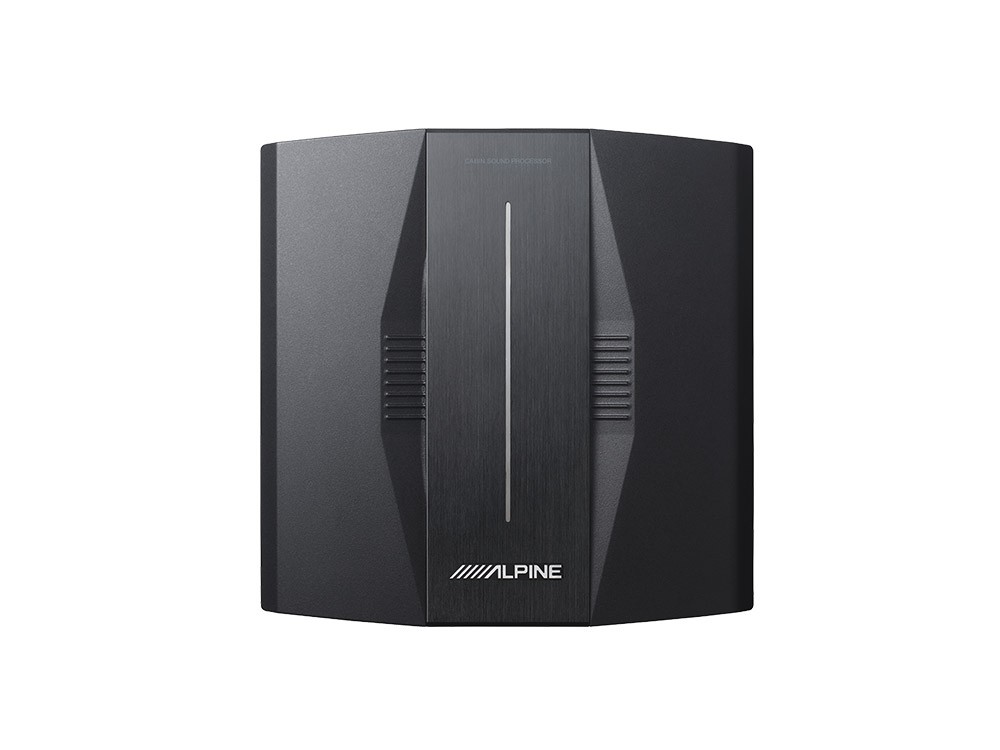
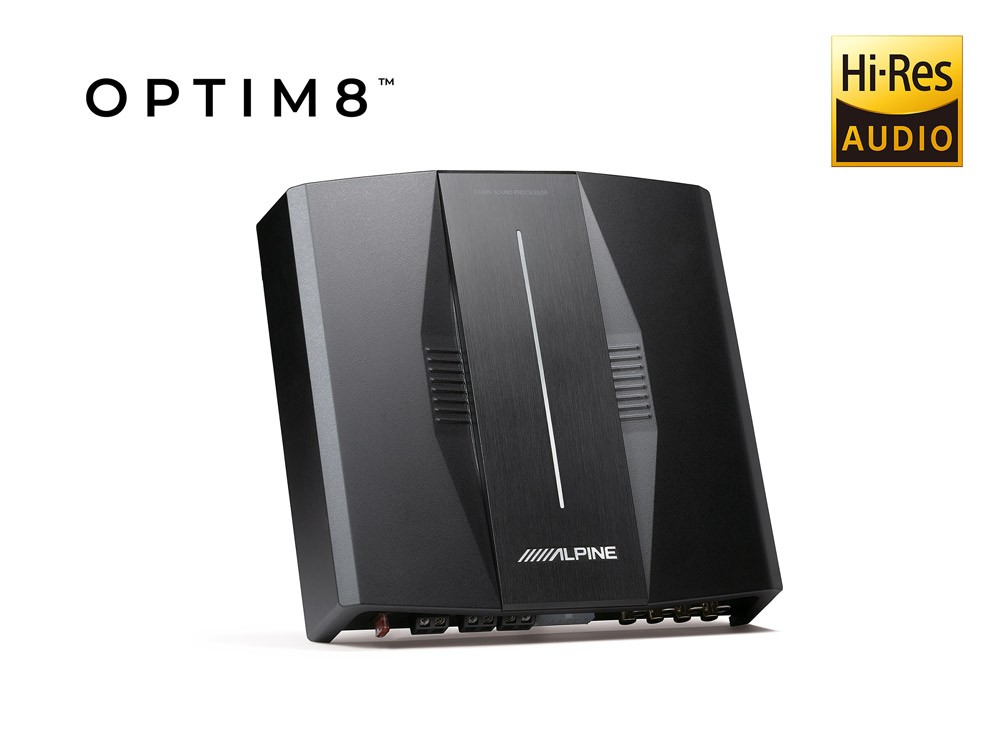
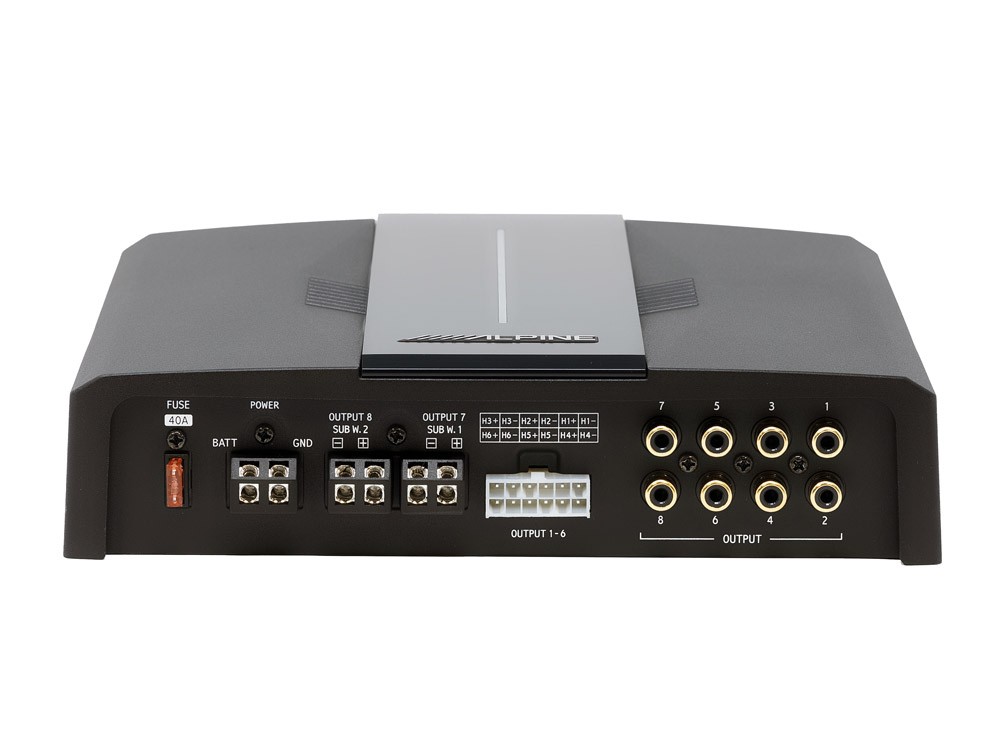
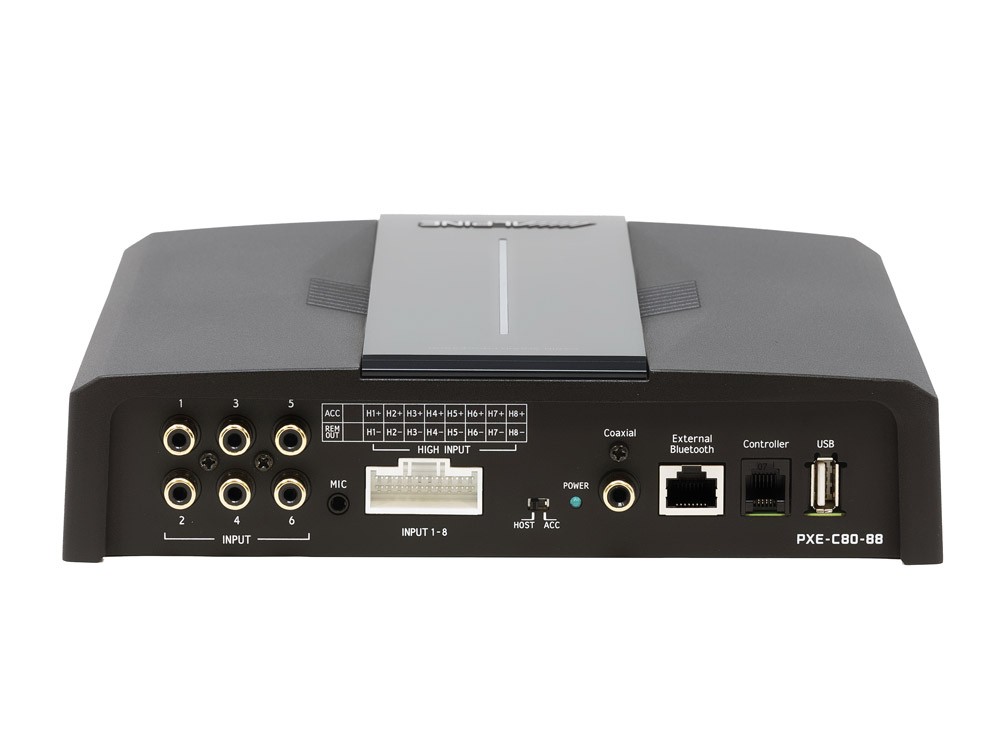
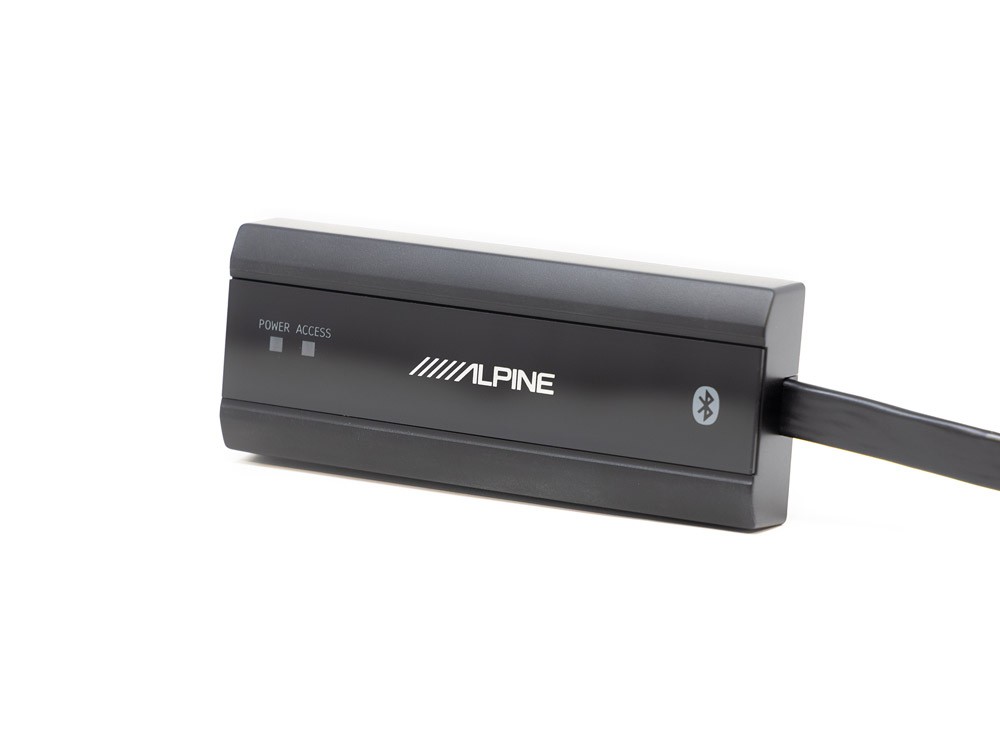
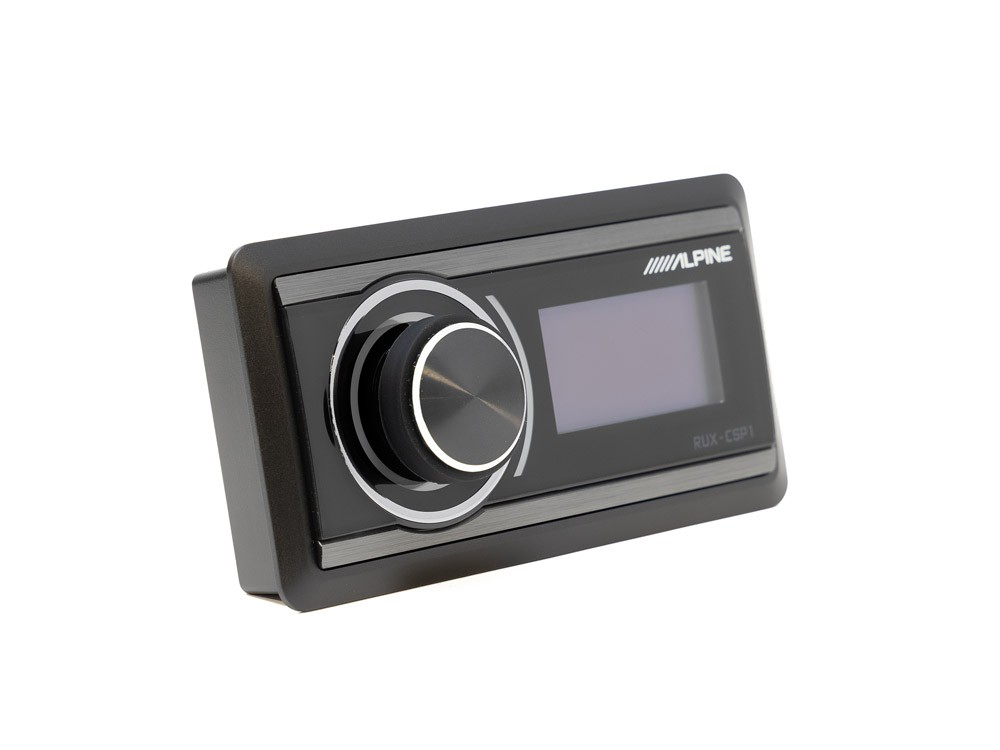
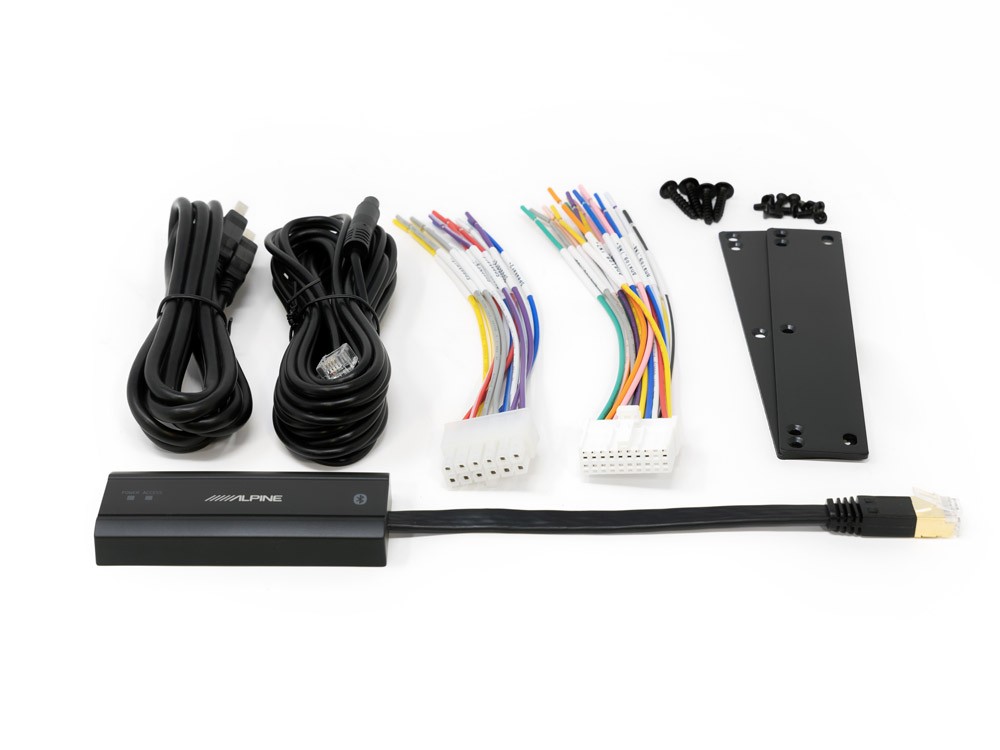
Alpine PXE-C80-88 amplifier
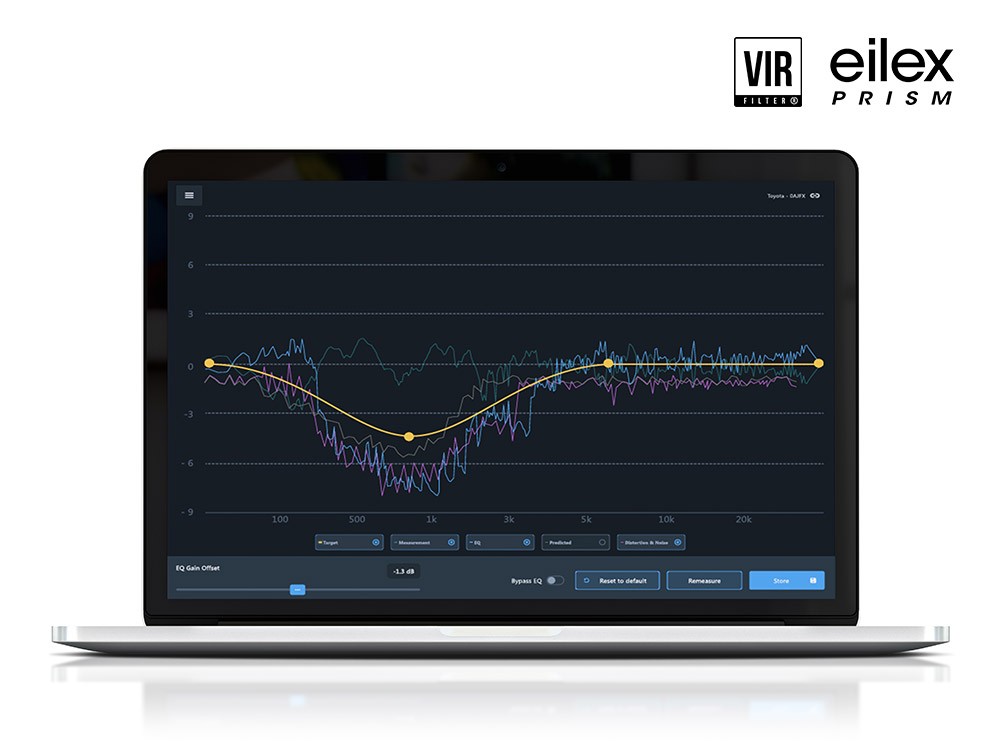
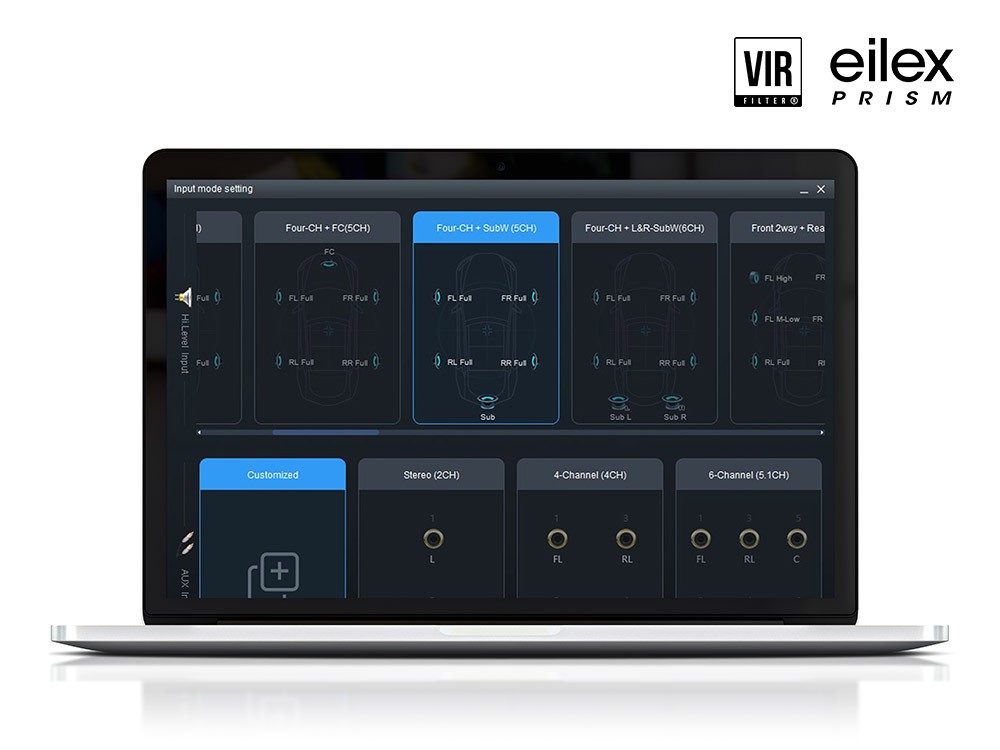
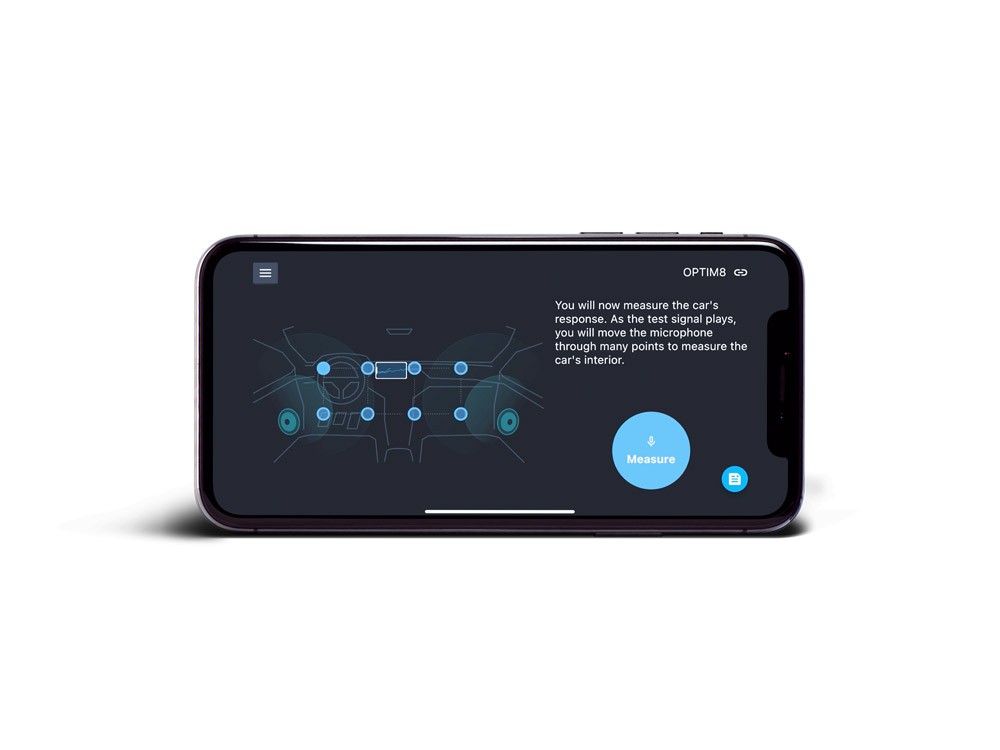
With the introduction of the Alpine OPTIM8, we've taken the pain and confusion out of trying to tune your system's sound with a digital signal processor or DSP/amplifier by making an amp that tunes itself. The PXE-C80-88 eight-channel DSP amplifier is equipped with automatic sound tuning and High-Definition performance, so you can experience exceptional fidelity, clarity, balance and impact of your music without having to spend hours fiddling with controls and testing the device. Matrix Mixing allows the addition and management of input/output signals. Fully adjustable high-pass, low-pass and band-pass filters and a 31-band EQ on each channel will tailor the sound to your speakers and smooth out any hot spots or dips in response caused by your vehicle's interior. The delay function allows you to center the stereo image for your listening position. After the initial setup using the computer device, all settings can be done automatically using the PXE-C80-88 control application on the iPhone using the built-in microphone or using the computer using the separate measurement microphone. PC users can make all sound settings manually to create a more personalized soundscape.
Features of the Alpine PXE-C80-88 amplifier
- 8-channel DSP amplifier.
- High resolution audio playback (96kHz/24bit).
- Intuitive real-time sound settings with 5-minute auto-tuning of the vehicle.
- Manual and automatic sound tuning with PC application control.
- Automatic audio tuning with the iPhone app (must be iPhone 10 or later).
- Anti-EQ for OEM system (eliminates factory EQ curve).
- An automatic equalizer with the APVD collection that quickly creates a flat vehicle response.
- Frequency response: 20Hz-40kHz.
- Input voltage (high level): 26Vpp.
- Input voltage (RCA): 11Vpp.
- Output voltage (high level): CH1-6: 40Vpp, CH7-8: 70Vpp.
- Output voltage (RCA): 4Vpp.
- Input Impedance (High Level/RCA): >50kΩ.
- System sampling rate: 1: 192kHz/32bit.
- Operating voltage: 9~16V.
- Operating temperature: -20°C~+60°C.
- Backup current (12.6 V): ≤3 mA.
- REM Start input: High level (H1-/H1+), ACC optional.
- REM Start output: 12V (0.2A).
| Catalog number | PXE-C80-88 |
| Brand | Alpine |
| Links | Official web presentation |
| Energy class of the amplifierAmplifiers are divided into two basic classes: analog and digital . Analog amplifiers (A/B) have higher consumption requirements, but usually have a more natural sound. Digital amplifiers (D) have significantly lower consumption and higher efficiency, but the sound may not be as faithful as with classic analog amplifiers. | D |
| Number of amplifier channelsAmplifiers are divided into: - Monoblocks - 2-channel - 3-channel - 4-channel - 5-channel - 6-channel - multi-channel Each channel is used to power one speaker for the coaxial type, or one side if they are component speakers. Monoblock type amplifiers are mainly used for subwoofers. 2-channel are suitable for both subwoofers and, for example, the front pair of speakers in a car. 3-channel is used for front or rear speakers + subwoofer. 4-channel are used for front + rear speakers or 1 pair of speakers + subwoofer. 6 or 5-channel are used for 2 pairs of speakers + subwoofer, most often. Bridging means connecting the amplifier to a bridge, using the + pole from one channel and the - pole from the other channel. In most cases this is shown as "BRIDGED" on the amplifier. | 8 |
| Frequency rangeThe ability of the amplifier to reproduce the signal from the lowest frequency to the highest = faithfully reproduce the sound in a specific frequency band. Professionally: In the frequency range from 40 to 16,000 Hz, the vast majority of fundamental and overtones (harmonics) of all musical instruments are found. We are interested in the course of the radiated sound pressure in this range of frequencies when the loudspeaker system is supplied with constant power. We call this course the frequency characteristic, which tells us the level of radiated sound pressure in decibels (dB) depending on the frequency. The frequency characteristic of a speaker or speaker system can be expressed most succinctly with a graph. Mostly, however, the frequency characteristic is indicated by indicating the maximum tolerance of the sound pressure in the given frequency range, e.g. 50 to 15,000 Hz -+ 6 dB. Since the frequency characteristics of loudspeakers and systems in general are quite uneven, some manufacturers do not even specify this maximum tolerance of sound pressure in decibels in their catalogs for reasons of prestige. Data impoverished in this way is unfortunately worthless. What is valid is that the manufacturer offers a speaker system with a frequency range of 30 to 20,000 Hz, if he is worried about stating the maximum unevenness of the sound pressure in this range, because he can have a tolerance of, for example, +- 20 dB. The unevenness or undulation of the frequency curve in good speaker systems for high-quality music performance should not exceed +-3 dB in the 80 to 12,000 Hz band and +-6 dB in the 40 to 16,000 Hz band. Greater unevenness already depletes or emphasizes certain tonal areas, which can cause audible or even disturbing distortion. The proportion between fundamental tones and higher harmonics also changes, thereby changing the color of the sound, and individual musical instruments as well as the entire musical image sound unnatural. | 20 Hz - 40 kHz |
| Signal-to-noise ratioThe signal-to-noise ratio means that the output signal always contains noise. The signal-to-noise ratio expresses how much of this noise is compared to the useful signal. The so-called A value is given, which does not take deep and very high frequencies into account. This corresponds to the characteristic of human hearing, which is not so sensitive to deep frequencies, especially below 1 kHz. The higher the value, the better the amplifier is. | > 75 dB |